3D Shapes: Surface Area and Volume
Lesson · Beginner
Geometry: Solid Geometry
Total Surface Area (TSA) and Volume
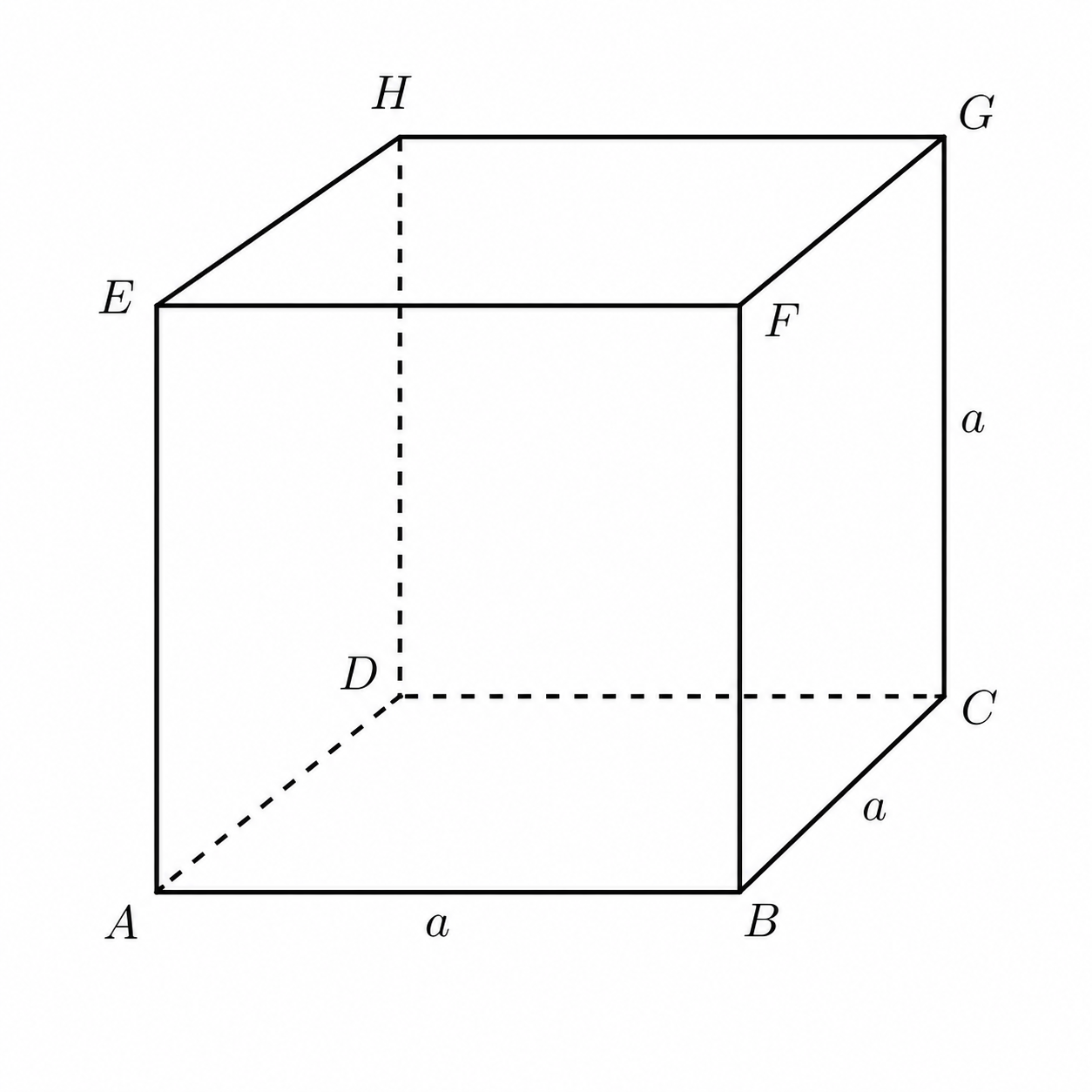
Cube
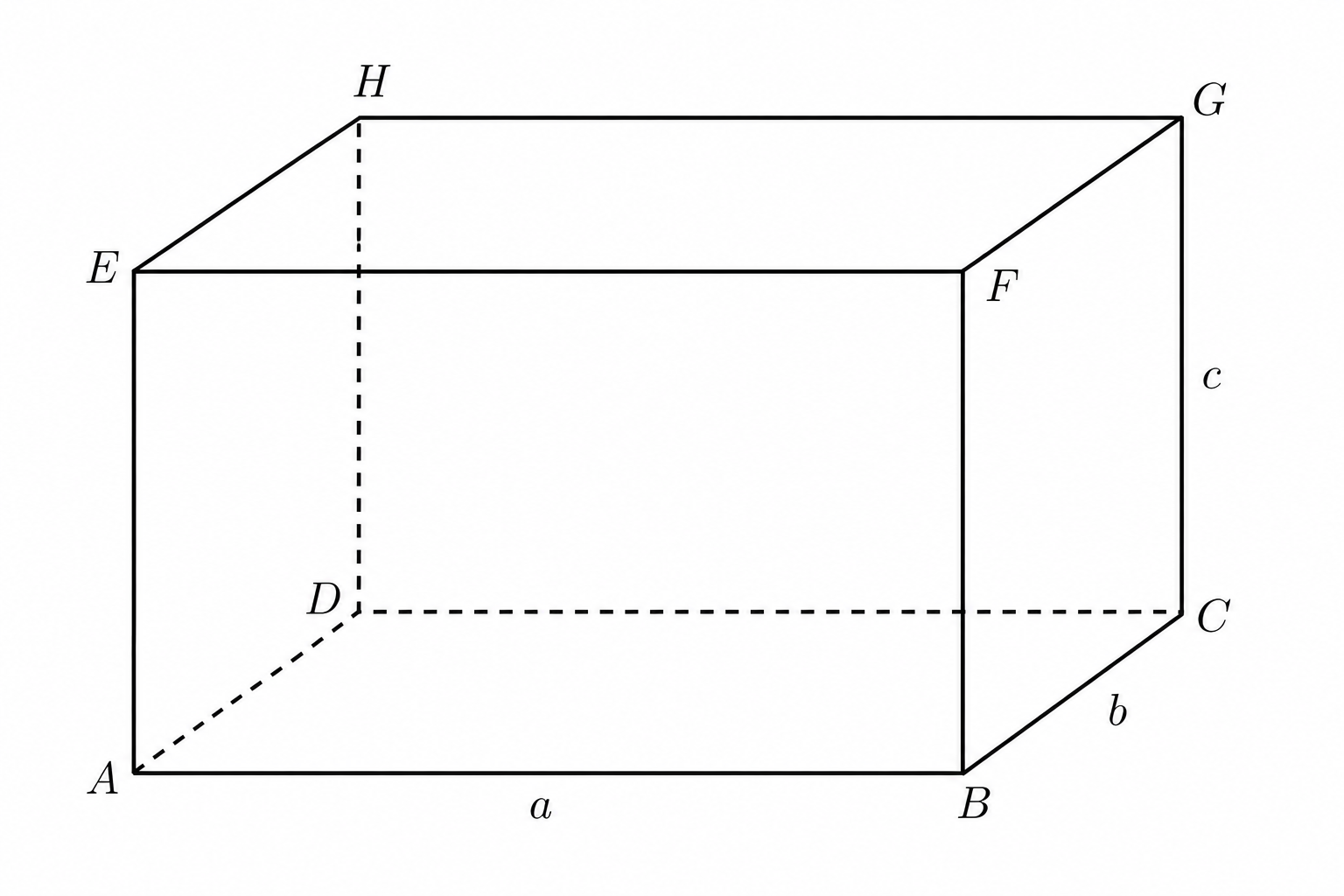
Rectangular Prism (Cuboid)
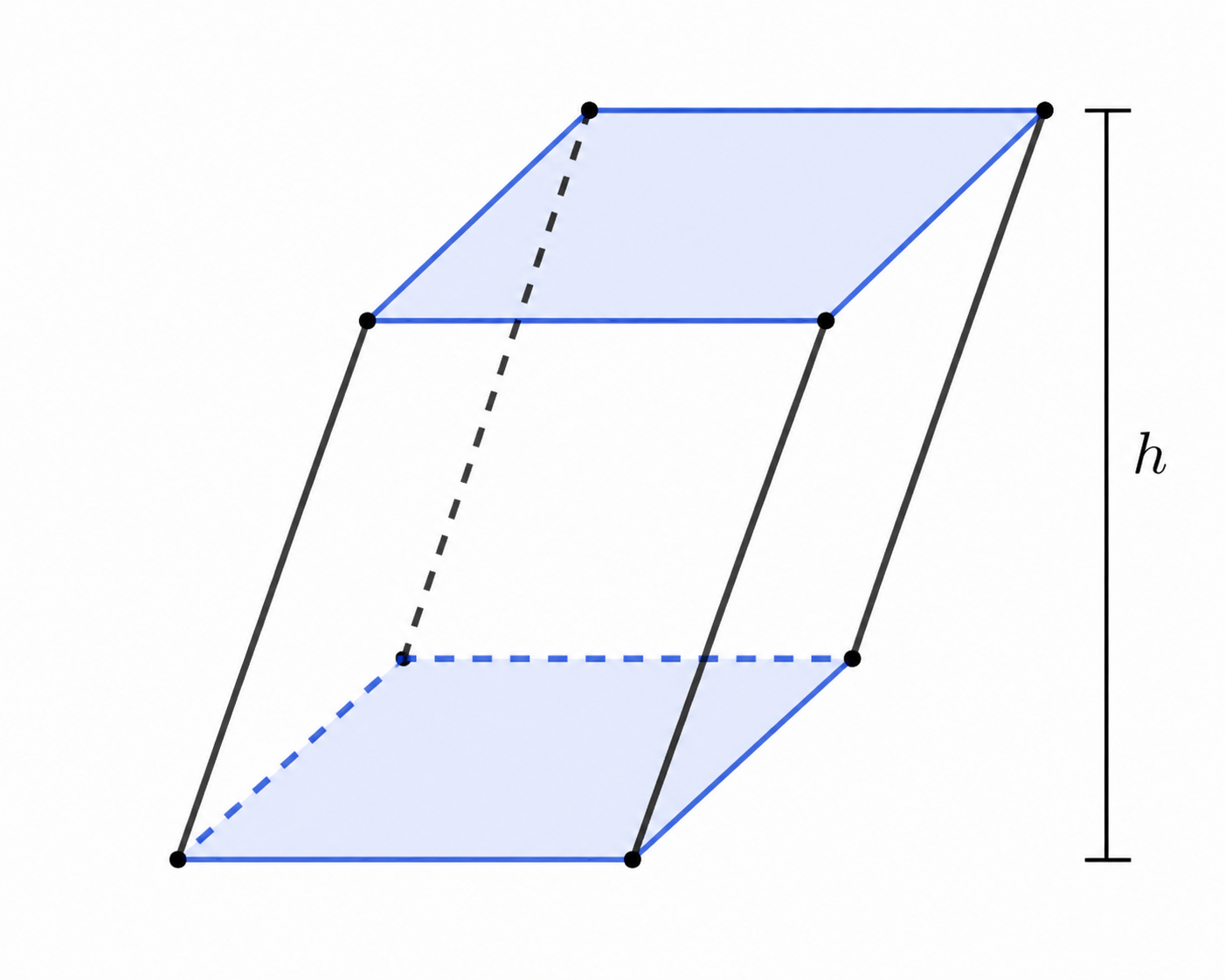
Prism
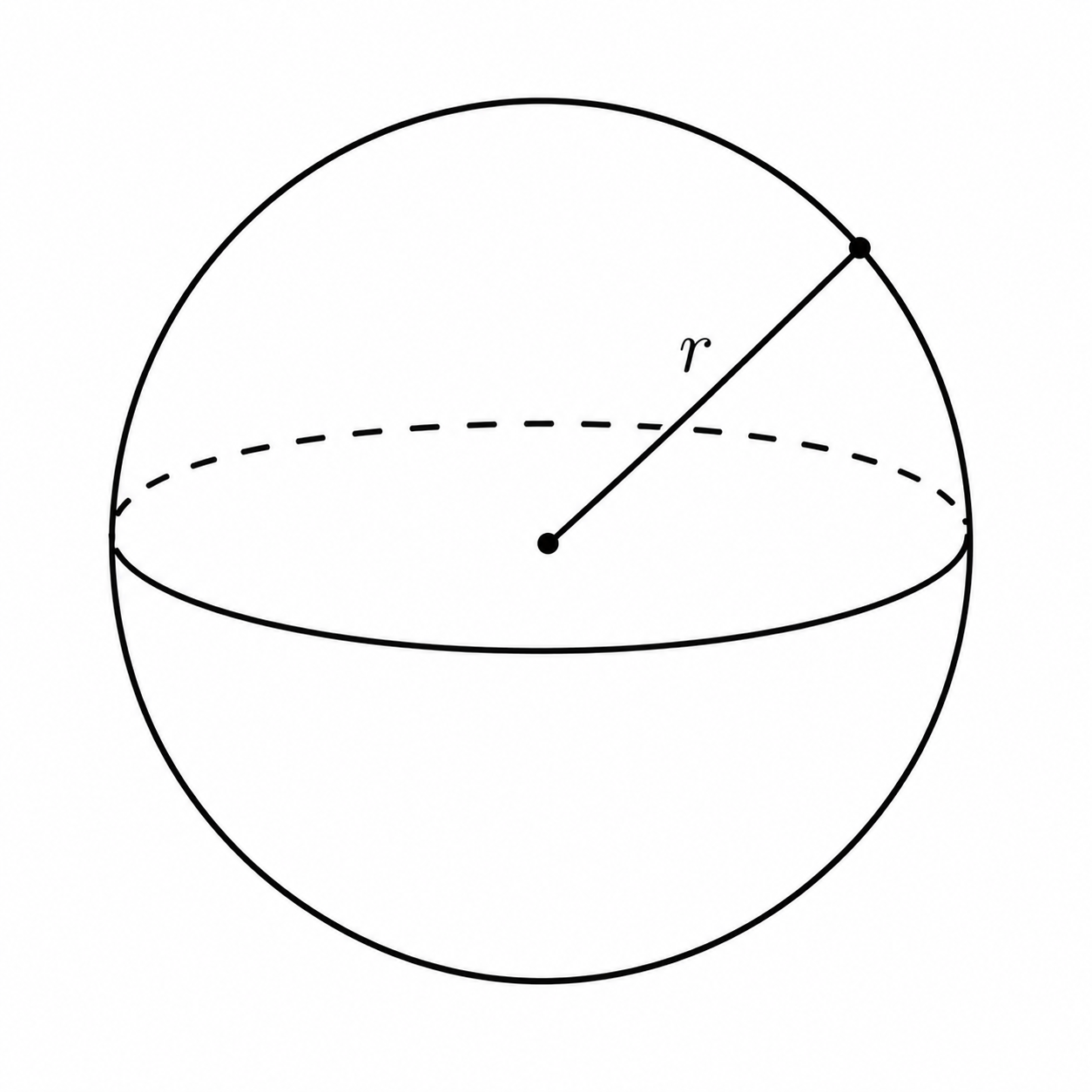
Sphere
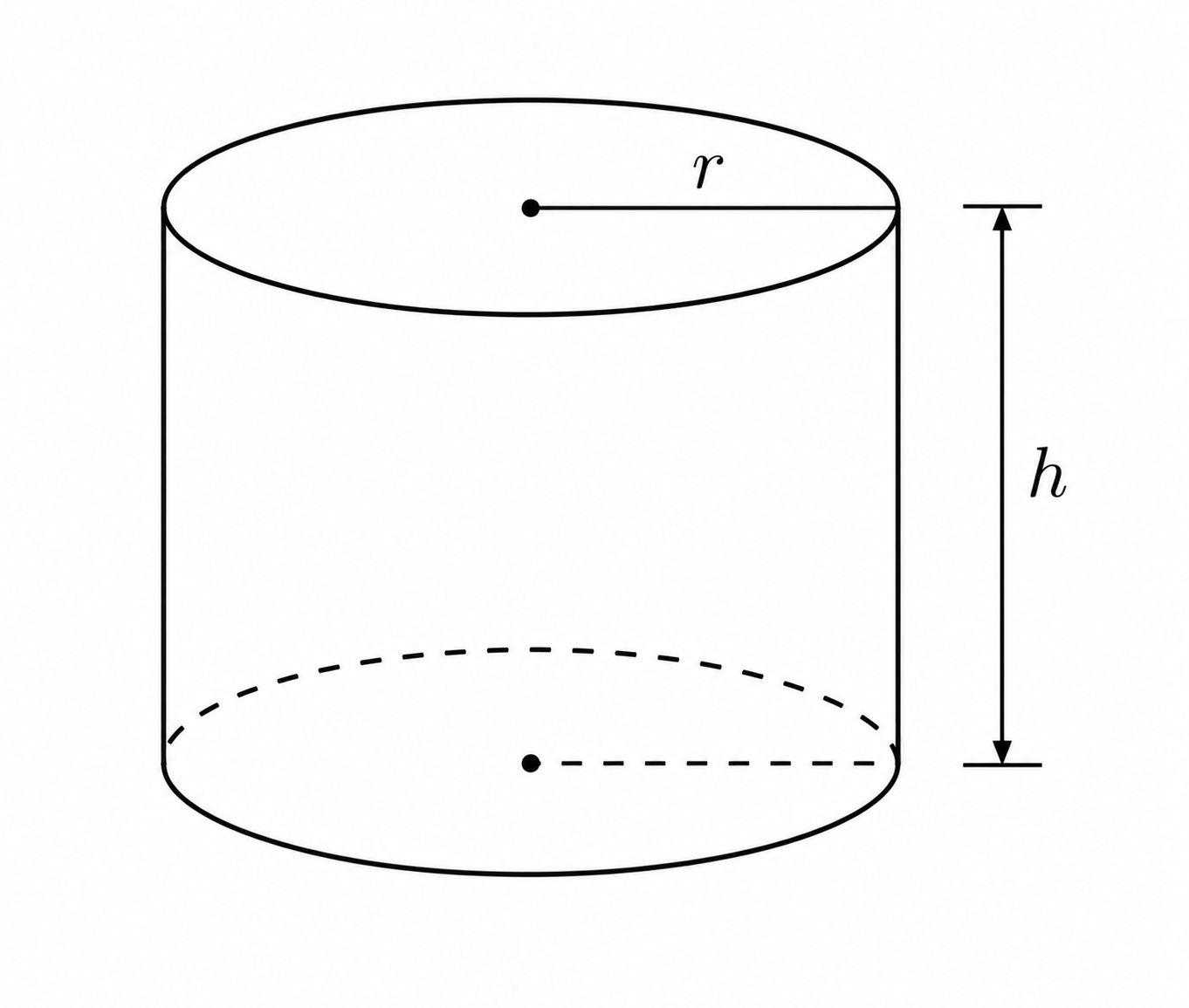
Cylinder
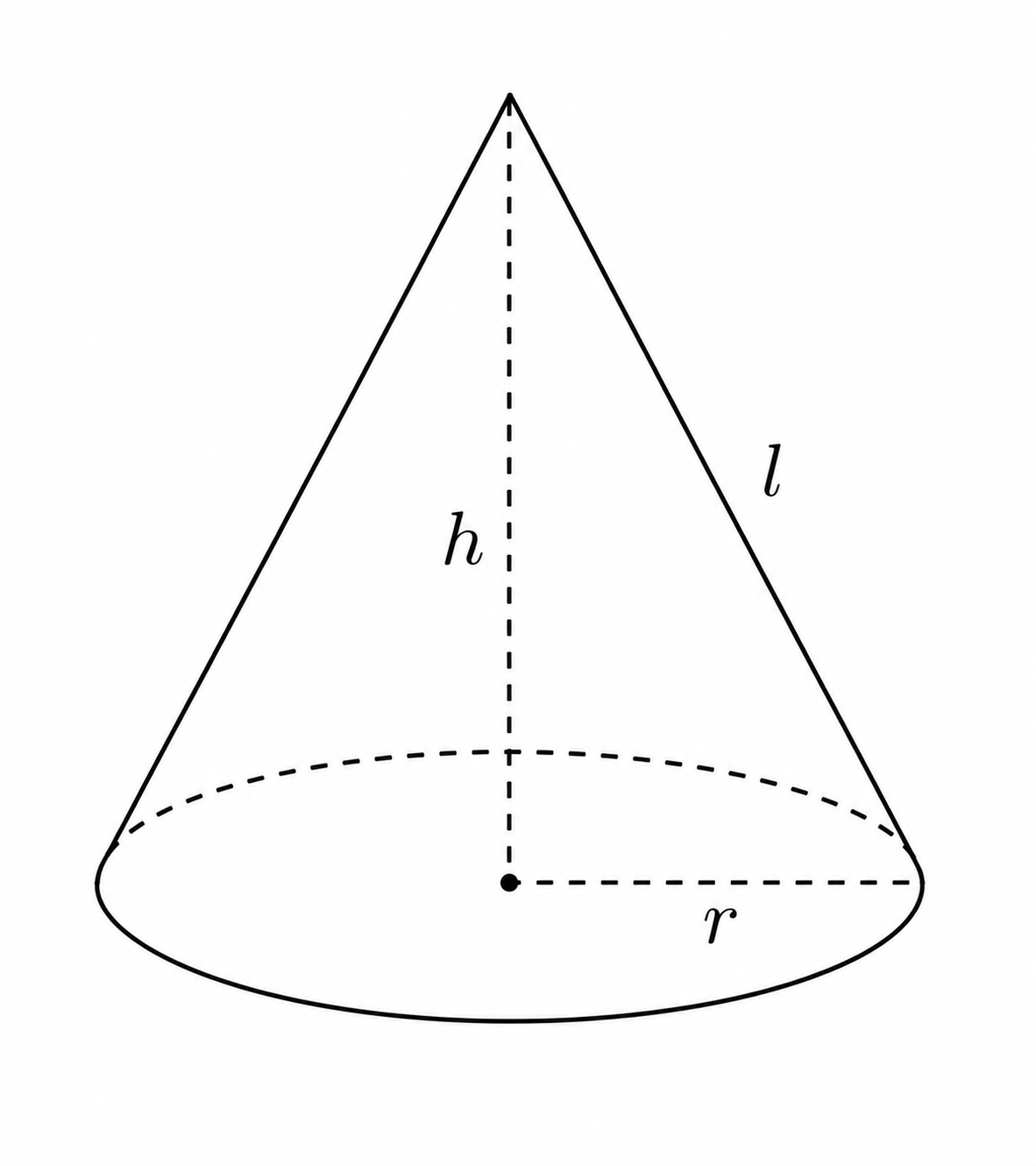
Cone
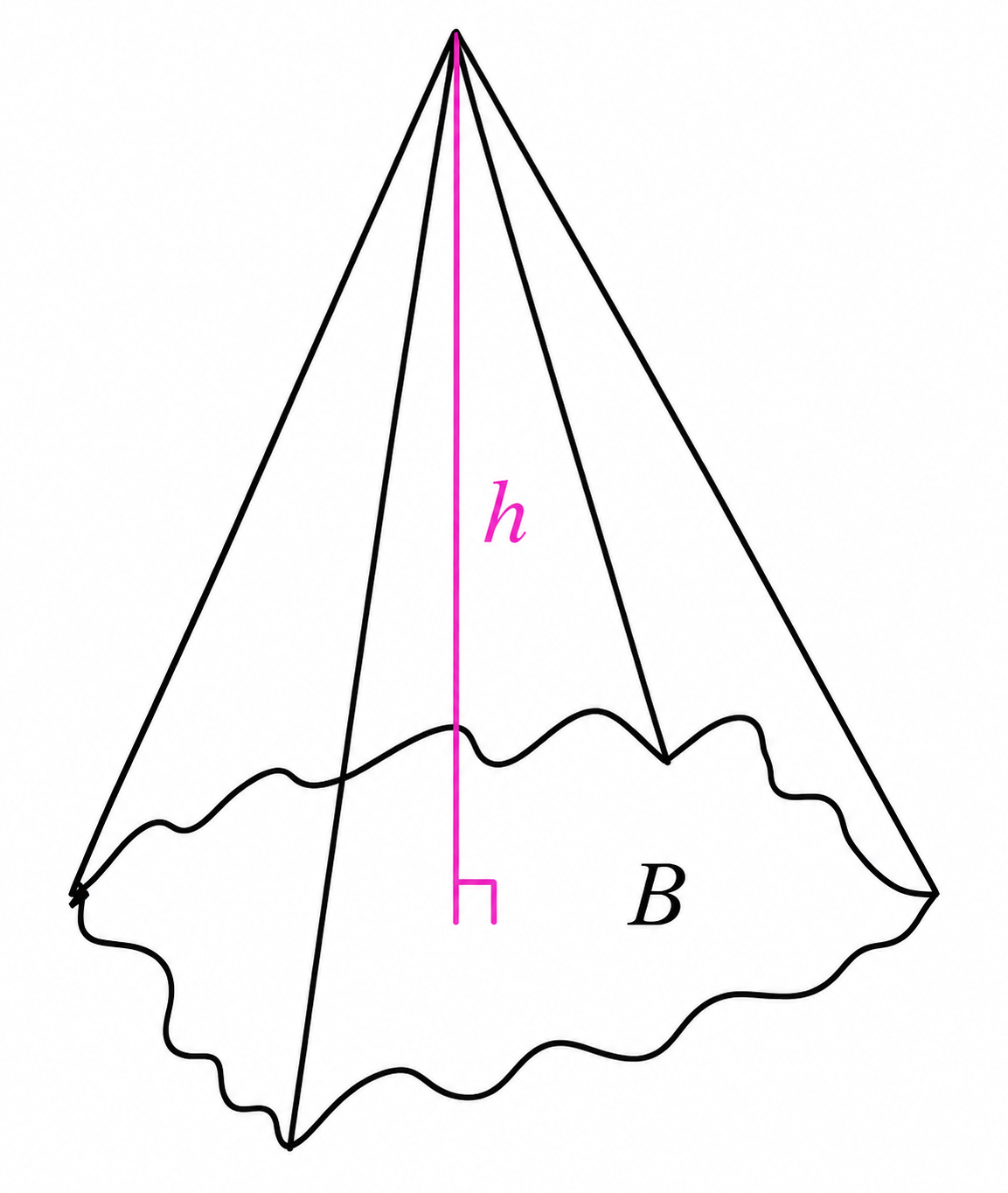
Generalized Cone
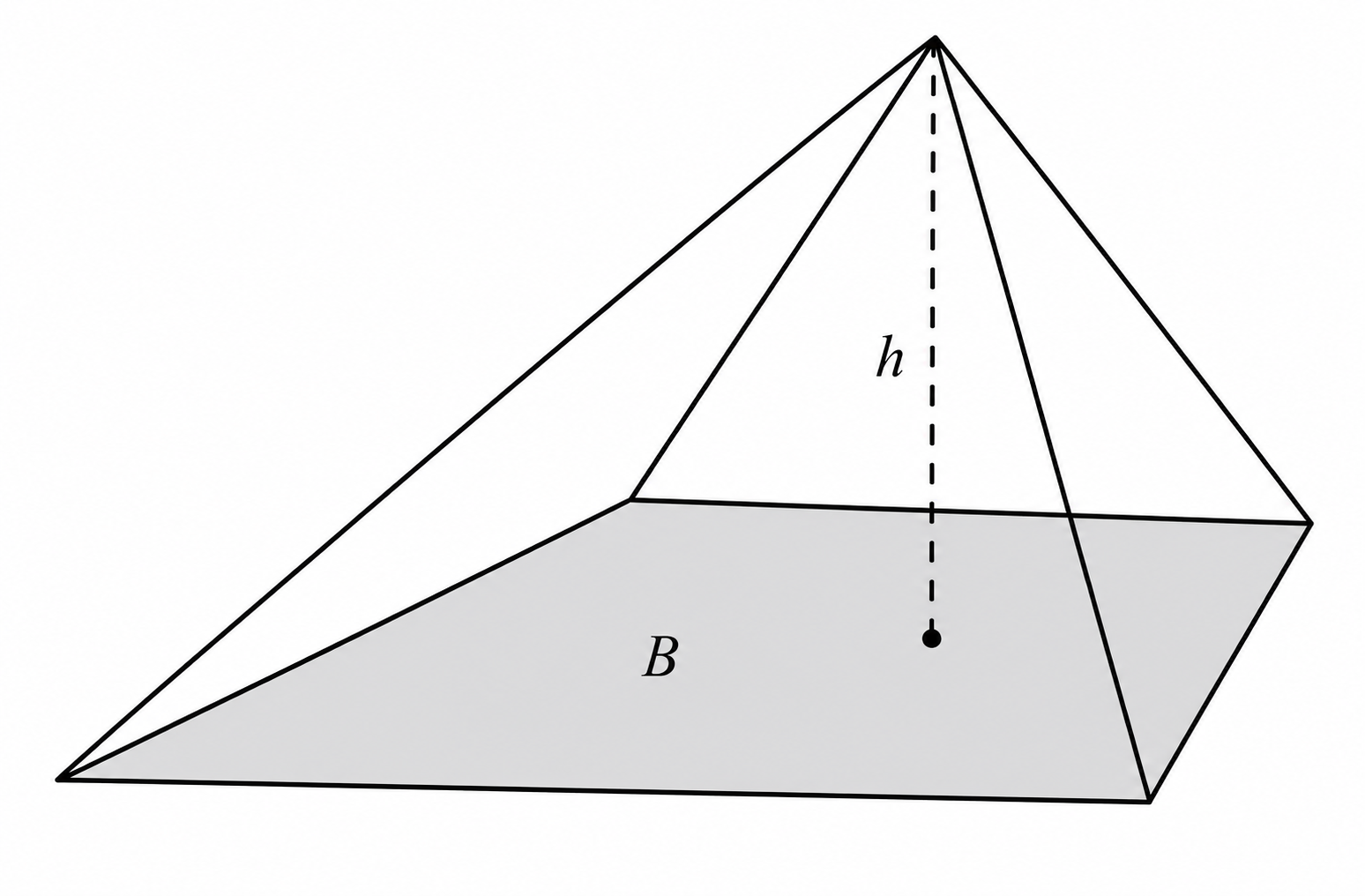
Pyramid
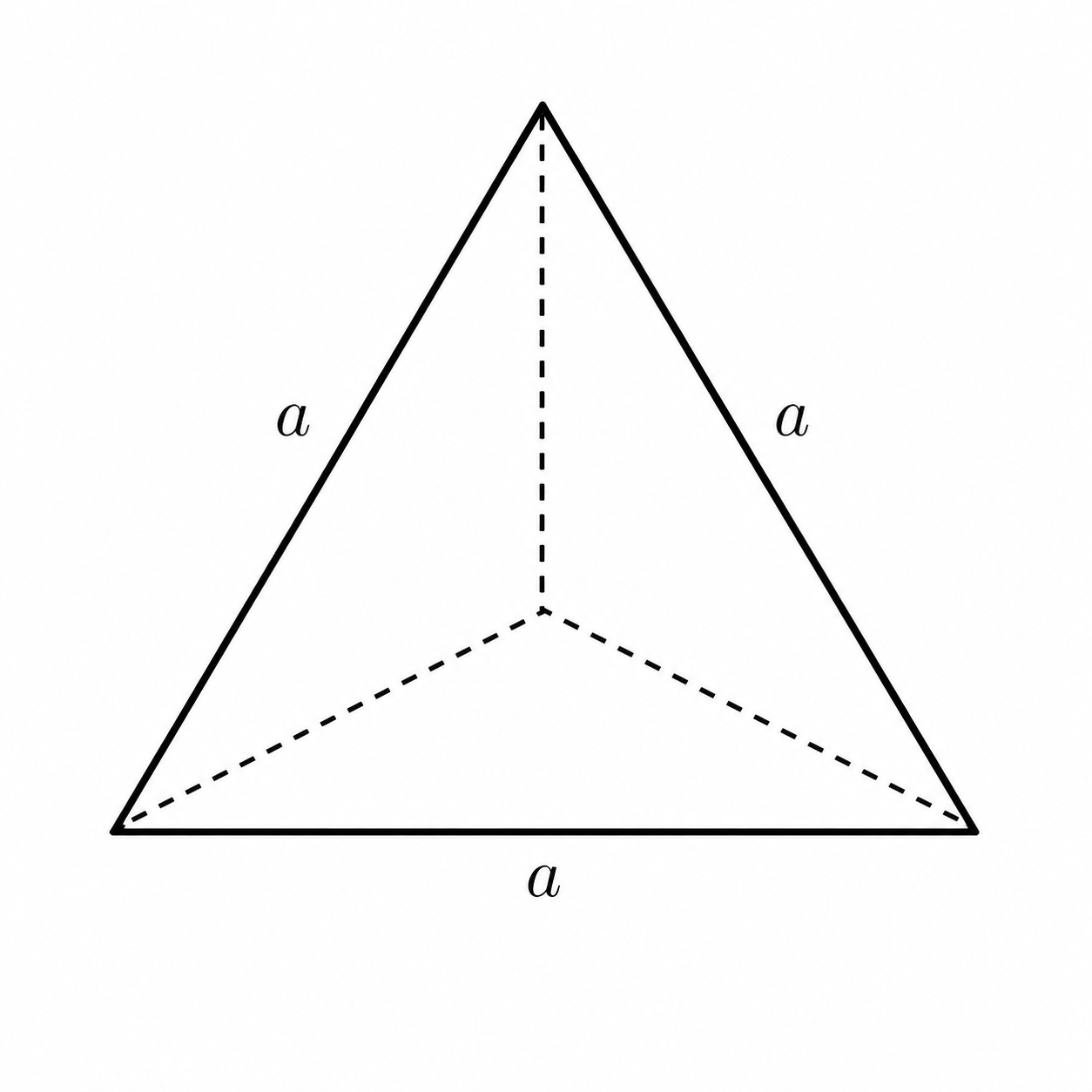
Regular Tetrahedron
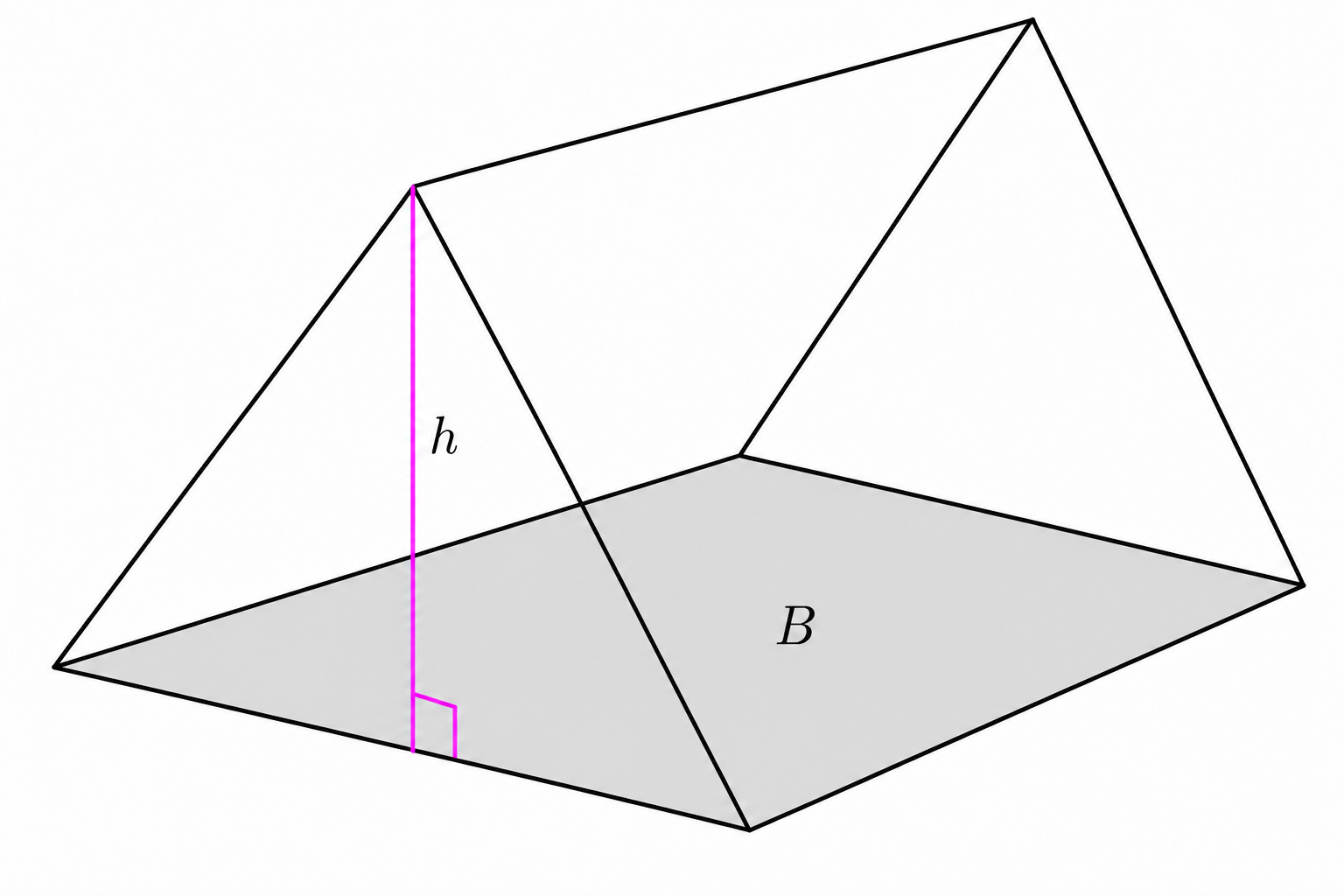
Triangular Prism
A cube has volume 216. A sphere is inscribed in the cube. Find the volume of the sphere.
The cube side length satisfies
so a = 6
The sphere's diameter equals the side length of the cube, so 2r = 6 and r = 3
Therefore,
A sphere is inscribed in a cylinder so that it touches both circular bases and the curved surface. If the sphere has radius r, find the ratio of the volume of the sphere to the volume of the cylinder.
The cylinder has radius r and height 2r
Therefore,
The sphere has volume
Thus
A rectangular box has side lengths 3, 4, 12. Find the radius of the smallest sphere that can contain the entire box.
The smallest such sphere has the same center as the box, and its diameter equals the space diagonal.
The space diagonal is
Therefore,
A rectangular container has base dimensions 10 × 12. A solid cube with side 6 is completely submerged in the water. By how much does the water level rise?
The cube displaces a volume equal to its own volume:
If the water rises by h, then
Therefore,
A sphere of radius 3 is inscribed in a right circular cone whose axial cross-section is an equilateral triangle. Find the volume of the cone.
The axial cross-section is an equilateral triangle.
The sphere becomes the incircle of this triangle.
Let the side length of the equilateral triangle be a. Its inradius is
Thus
so a = 6√3
The diameter of the cone's base is a, so r = 3√3
The height of the cone is the altitude of the equilateral triangle:
Therefore,
A pyramid of height 15 is cut by a plane parallel to its base. The cross-section has one-fourth the area of the original base. Find the distance from the vertex to the cutting plane.
The small pyramid and the original pyramid are similar.
Let their length ratio be k. Their area ratio is k²
We are given
so k = 1/2
Heights scale by the same factor.
Therefore,
so
A right circular cylinder is inscribed in a sphere of radius 5. The cylinder has radius 4. Find its volume.
Take a cross-section through the axis.
We obtain a rectangle inside a circle of radius 5.
Half the cylinder's height, the cylinder's radius, and the sphere's radius form a right triangle.
Let the cylinder height be h. Then
so
Hence h = 6
Therefore,