Area Formulas
Lesson · Beginner
Geometry: Plane Geometry
Triangle Area Formulas
1. Base and Height Formula
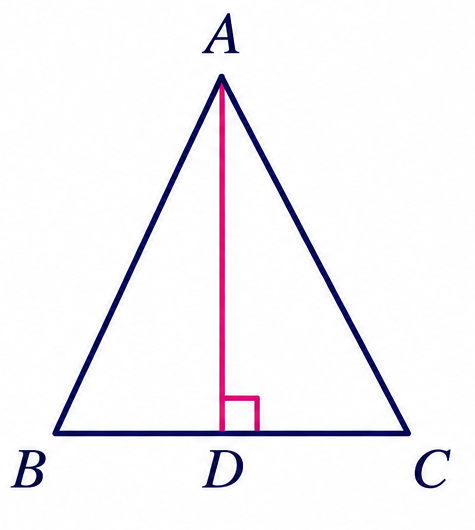
2. Two Sides and Included Angle Formula
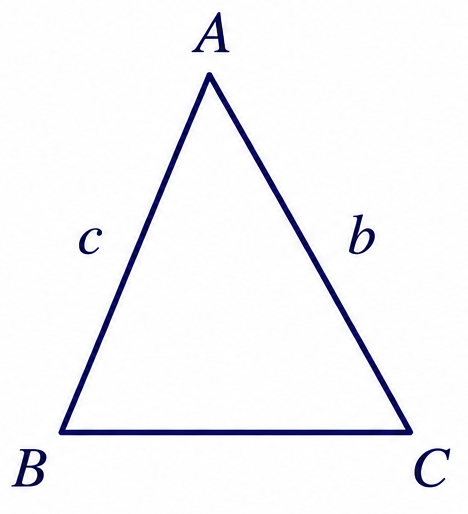
3. Heron's Formula
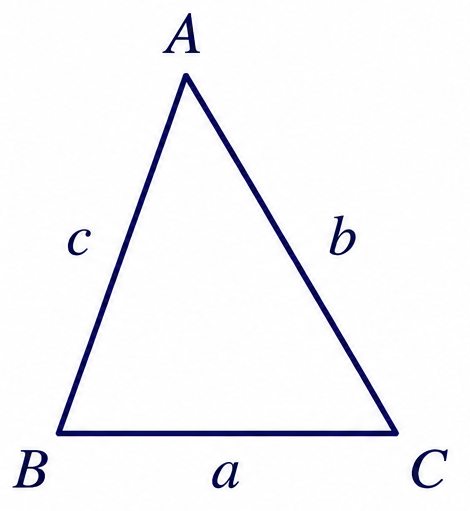
4. Expanded Heron's Formula
Quadrilateral Area Formulas
General Quadrilateral
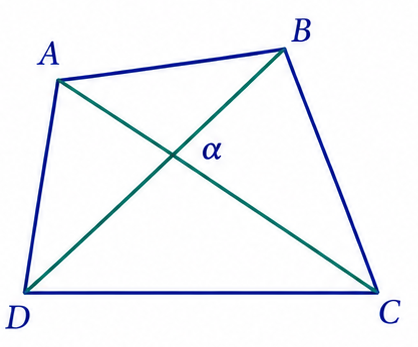
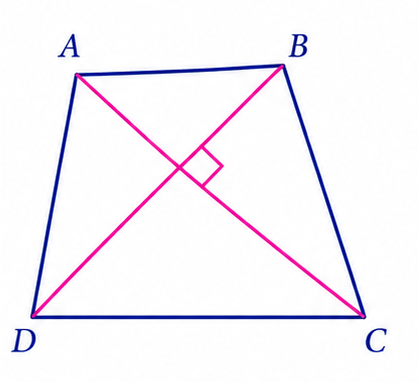
Orthogonal Diagonals
Circle Formulas
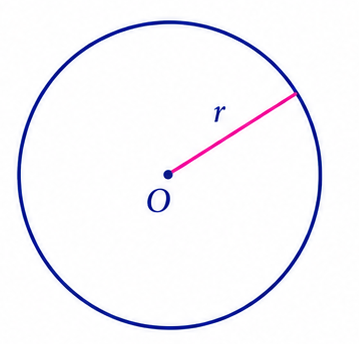
Circle Area and Circumference
Sector Area and Arc Length
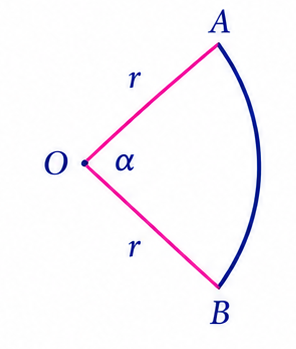
If is in degrees:
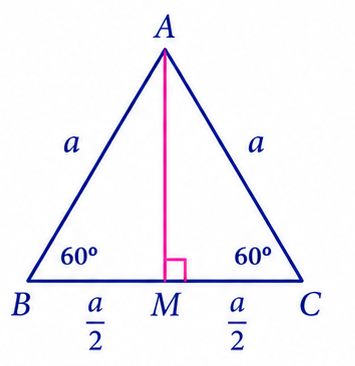
Equilateral Triangle
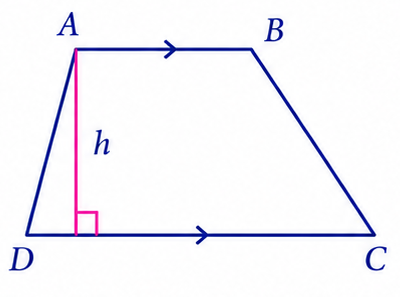
Trapezoid
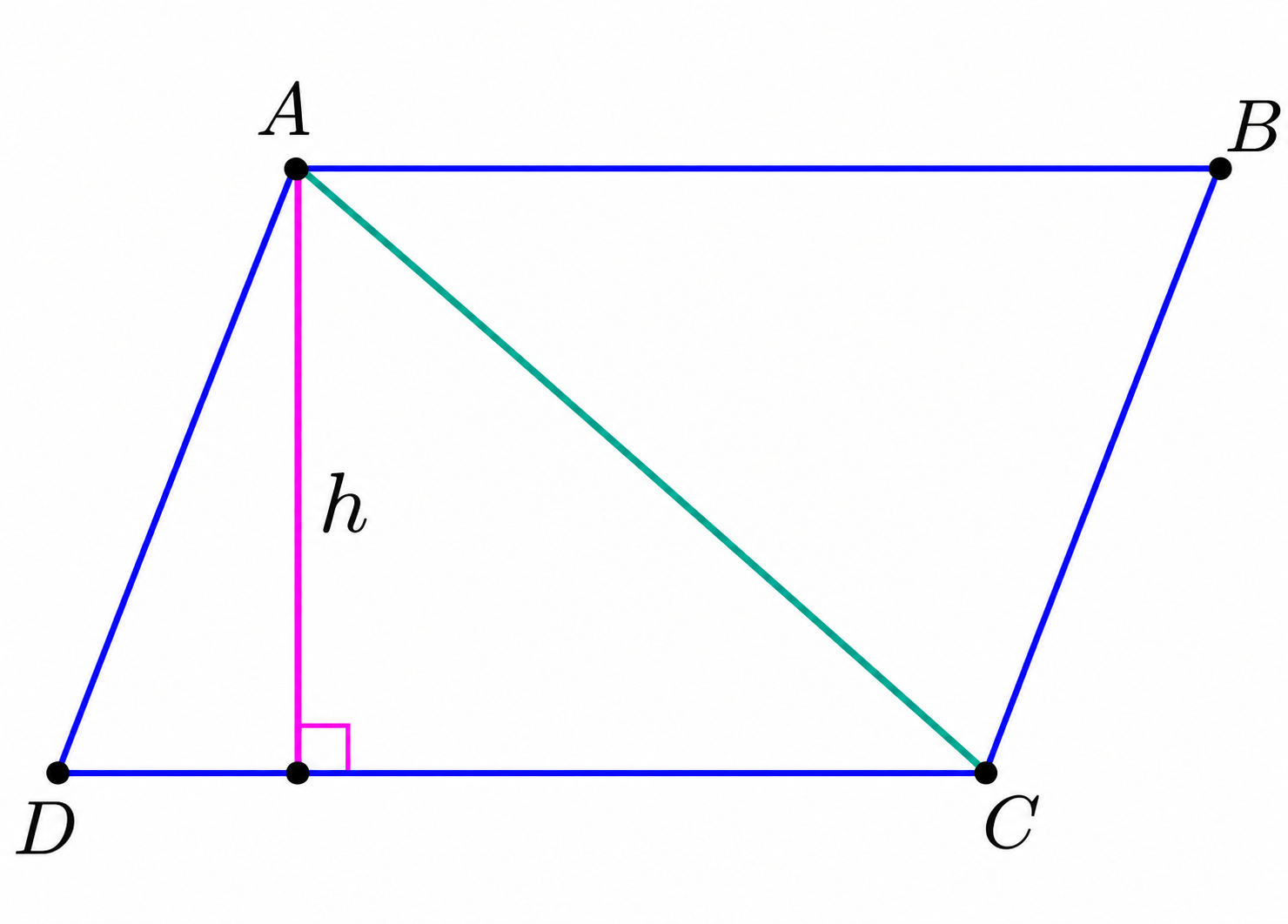
Parallelogram
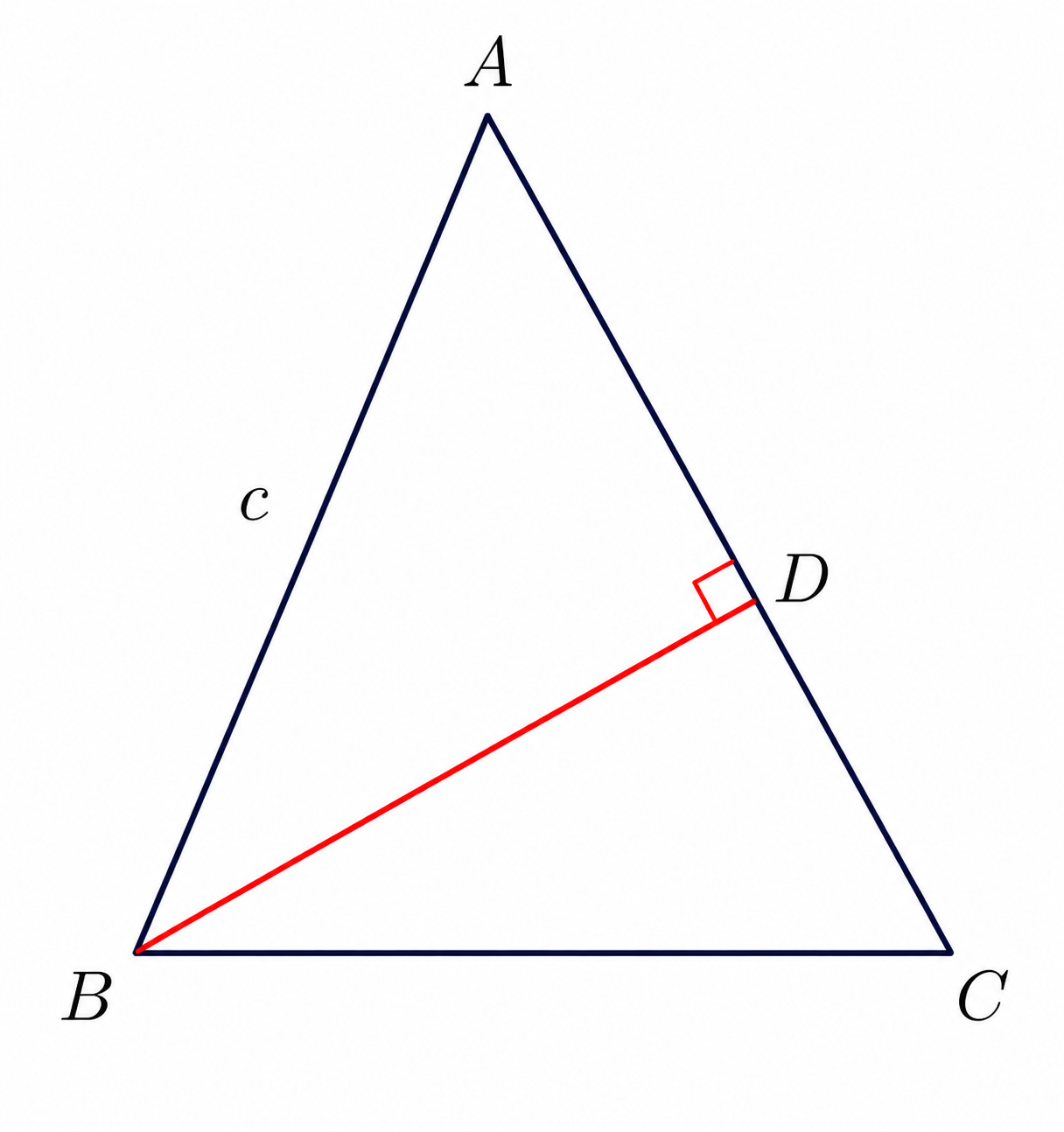
Proof of
Draw the altitude from to .
Since
we have
Using as the base,
Therefore,
so
Let
and
From
we get
By the Law of Cosines,
so
Hence
Since
we obtain
Factor:
Thus
Factoring again,
Since
we have
Therefore,
Hence
From
we have
By the Law of Cosines,
so
Therefore,
Since
we get
Let diagonals and intersect at , and let the angle between them be .
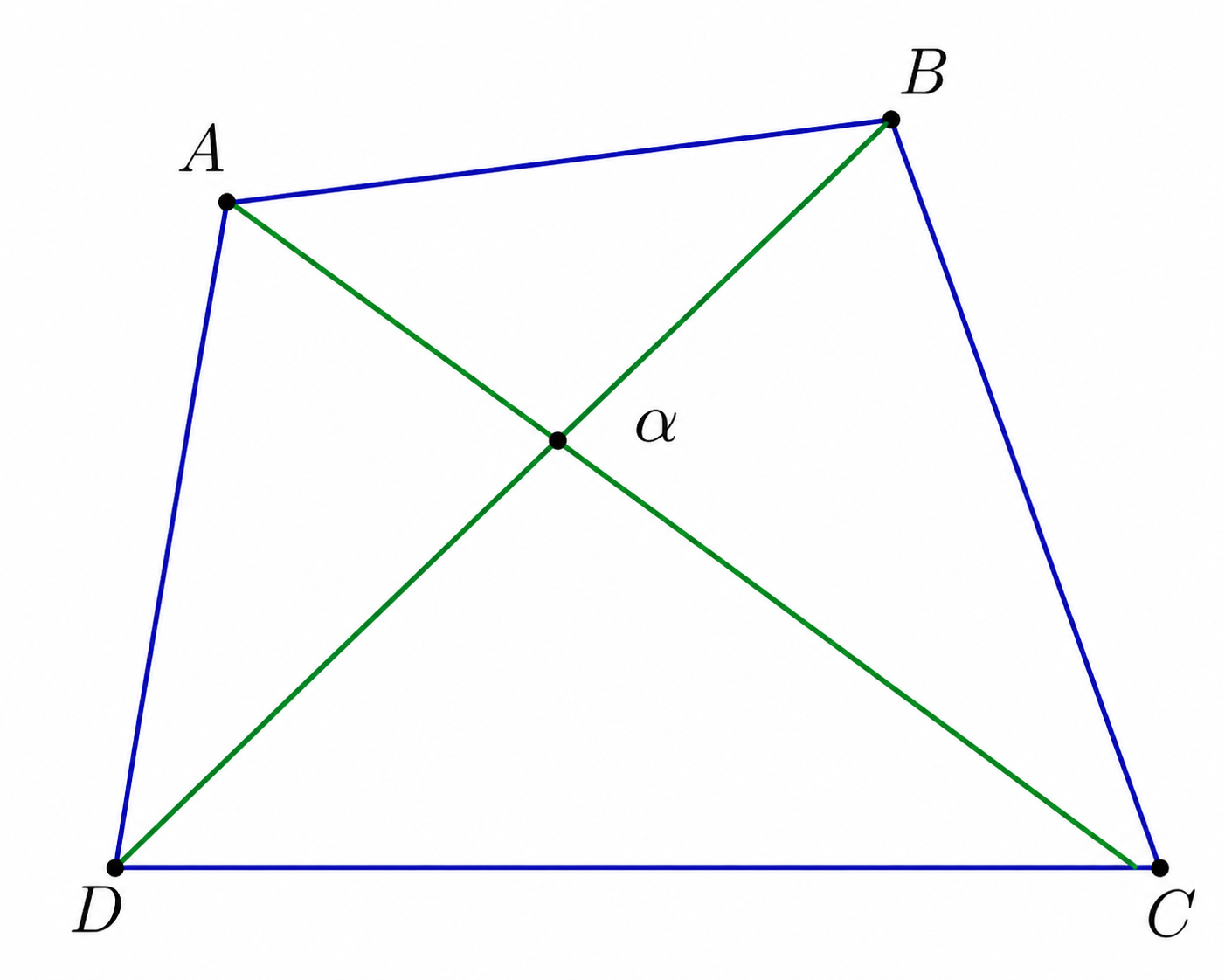
The quadrilateral is divided into four triangles:
Using
for each triangle,
and similarly for the other two triangles.
Since
we obtain
Factor:
But
and
Therefore,
From the general quadrilateral formula,
If the diagonals are perpendicular,
Since
we obtain
Let be equilateral with side length , and draw altitude .
Since an altitude of an equilateral triangle is also a median,
By the Pythagorean Theorem,
Thus
so
Therefore,
giving
Suppose
and the distance between the parallel sides is .
Draw diagonal .
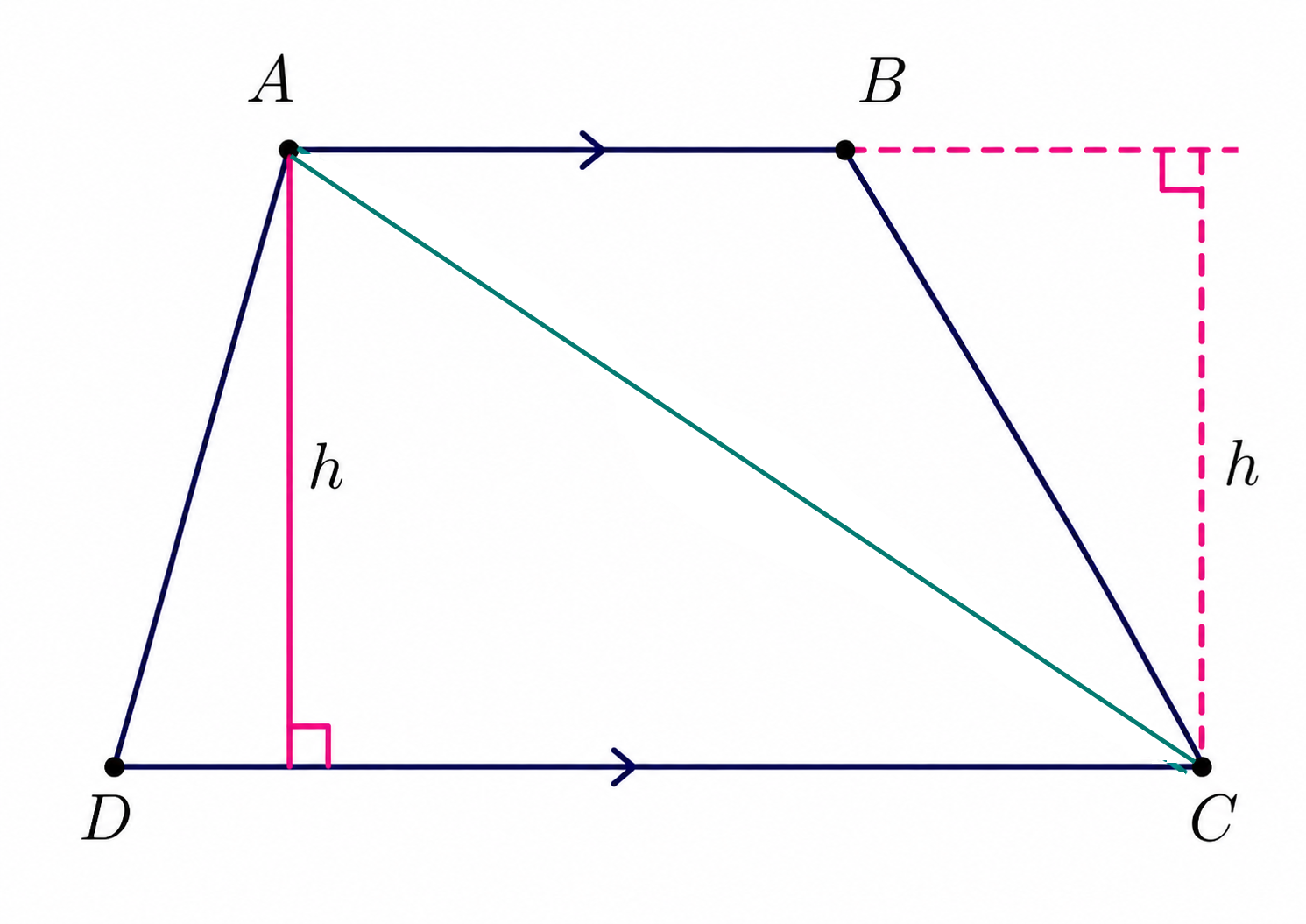
Then
Triangle has base and height , so
Similarly,
Therefore,
Factoring,
Draw diagonal .
It divides the parallelogram into two congruent triangles:
Triangle has base and corresponding height , so
Therefore,
Hence
A triangle has side lengths
Find the altitude to the side of length 13.
First use Heron's formula:
If the required altitude is ,
Hence
Triangle satisfies
Find
Heron gives
But also
Therefore,
so
In triangle ,
and
Find all possible values of .
We have
so
Therefore,
By the Law of Cosines,
If
then
so
If
then
so
Thus
A rhombus has side length 13 and one diagonal has length 10. Find its area.
The diagonals of a rhombus bisect each other perpendicularly.
Let the other diagonal be . Then
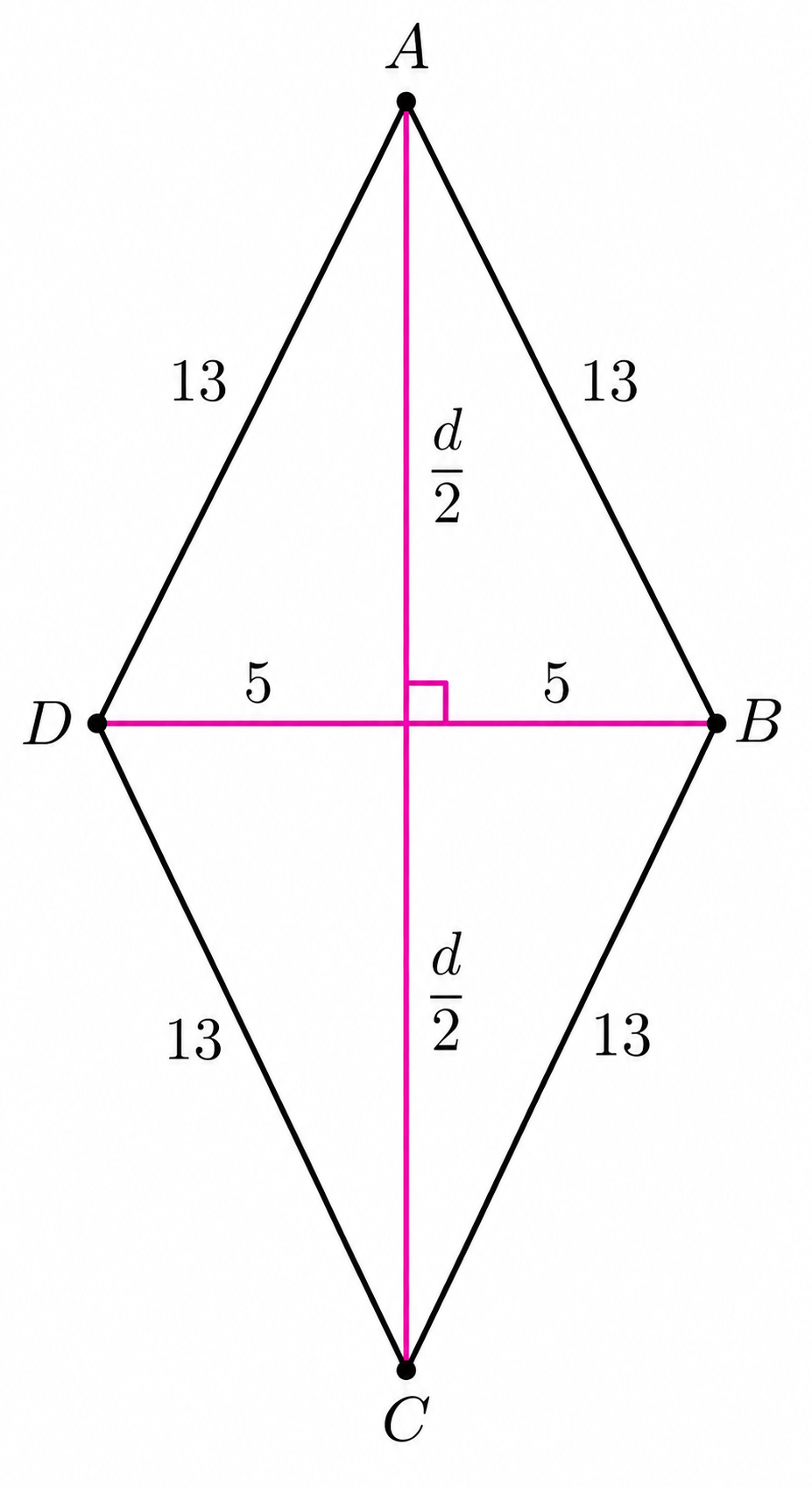
Hence
so
Therefore,
and
A triangle has two sides of lengths 8 and 15. What is the maximum possible area?
Let the included angle be . Then
Since
we have
Equality occurs when
Therefore,
Among all triangles with perimeter 36, find the maximum possible area.
Let
so
By Heron's formula,
Also,
For a fixed sum, the product is maximized when
Thus
Therefore,