Complex Numbers in Geometry
Lesson · Advanced
Geometry
Collinearity of Three Points
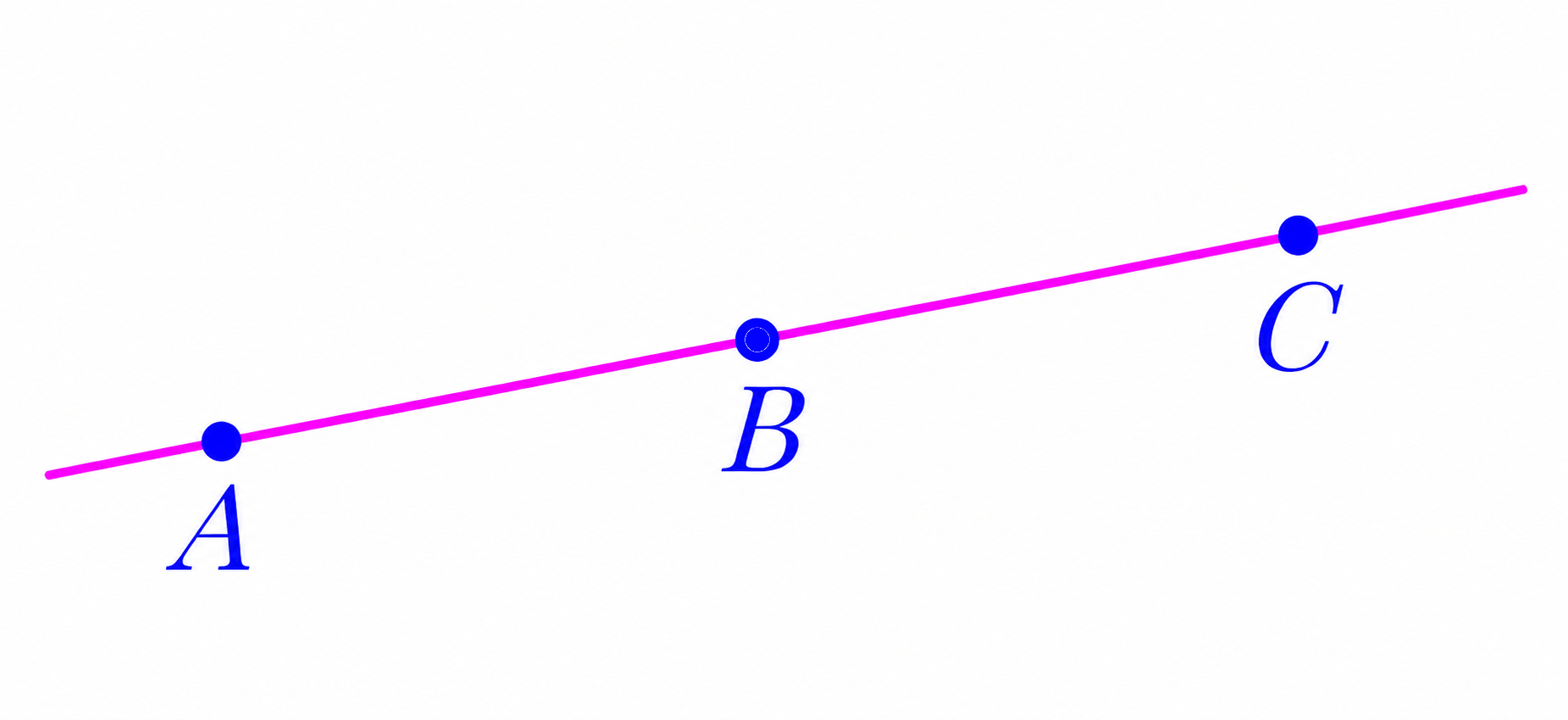
Let be points in the complex plane with complex coordinates , where . Then are collinear if and only if
General Equation of a Line Through Two Complex Points
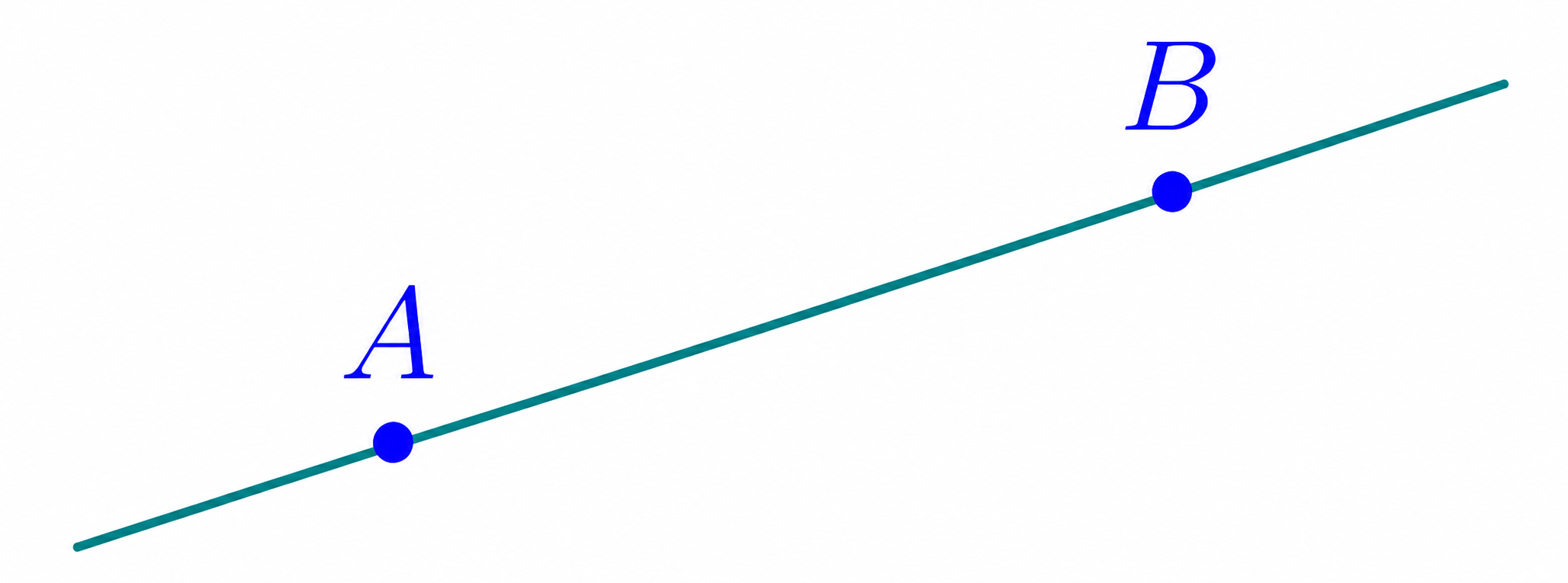
For distinct complex numbers , the line through their corresponding points has equation
Equivalently, , where
Here and .
Distance from a Point to a Line
Suppose the line has equation
where and . Then the distance from the point with complex coordinate to is
General Intersection Formula
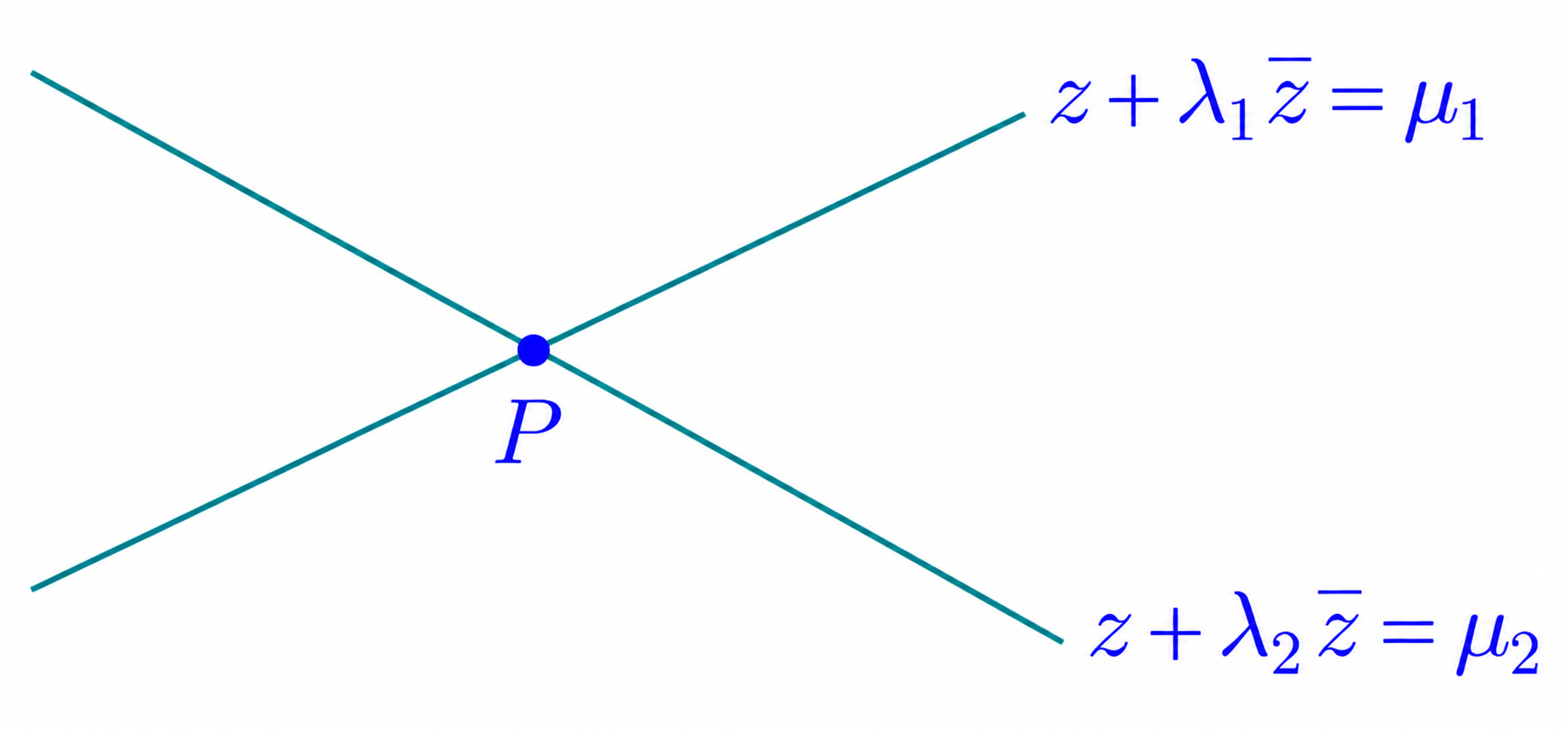
If two nonparallel lines have equations
then their intersection has complex coordinate
The nonparallel condition is .
Intersection of Two Chord Lines of the Unit Circle
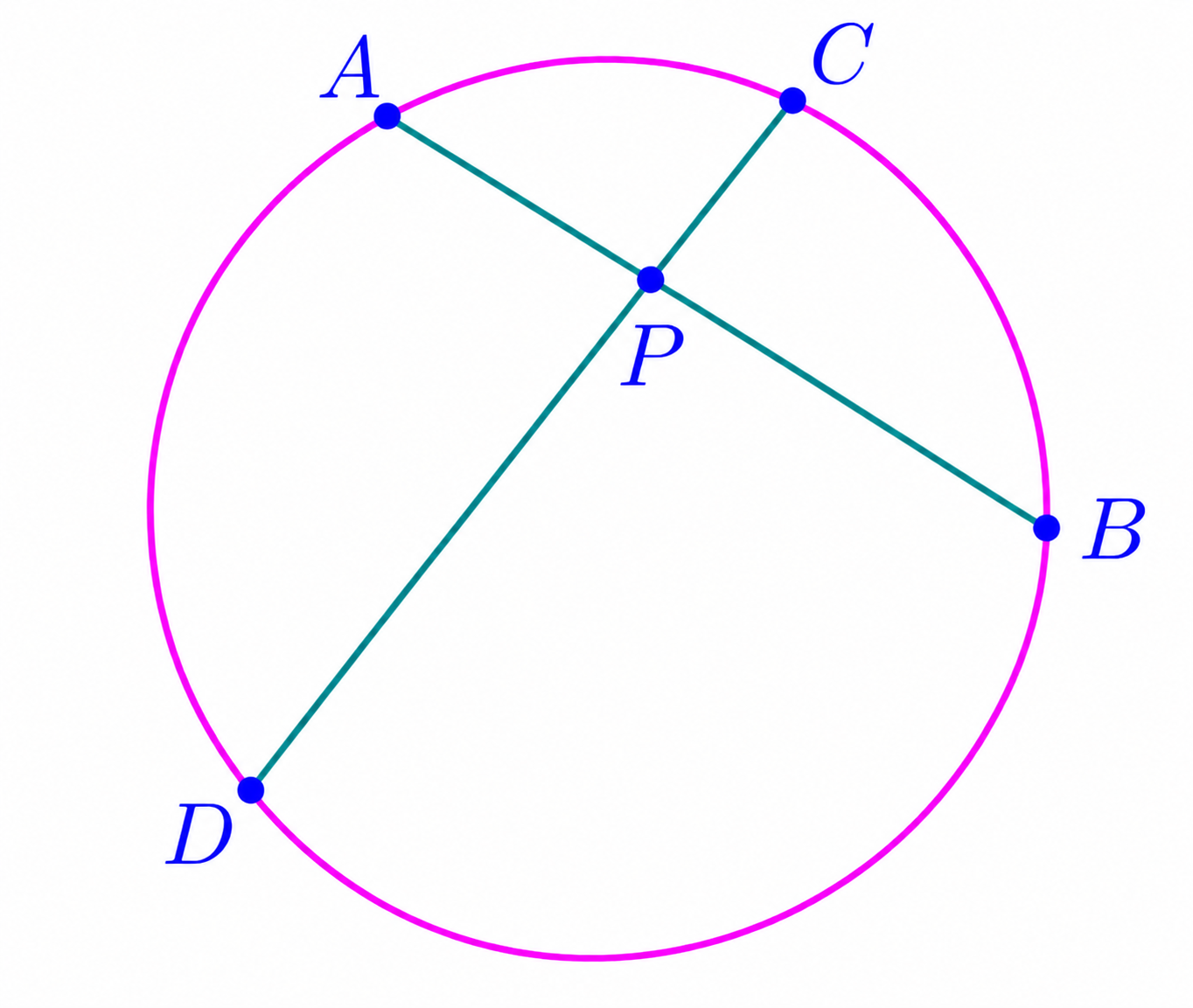
Let be four distinct points on the unit circle centered at the origin, with complex coordinates . Suppose the lines and intersect at . Then
This requires , equivalently that the two lines are nonparallel.
Equality of Directed Angles
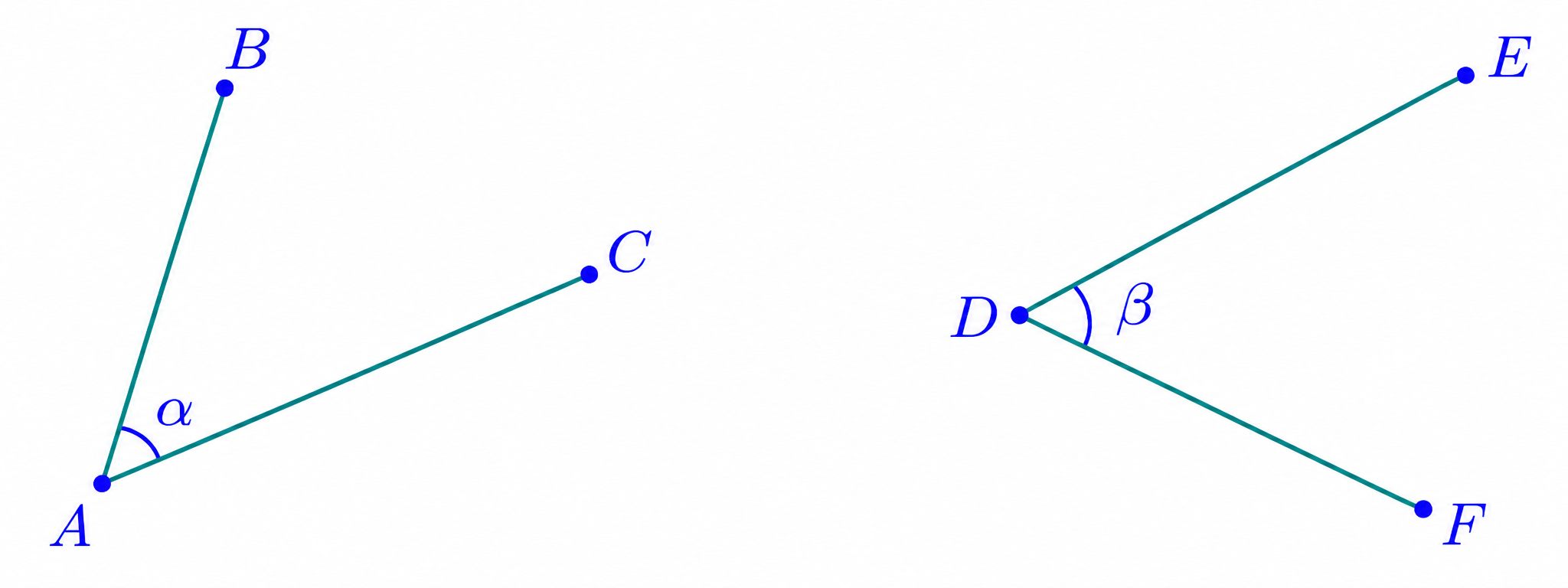
Let be points such that , . For directed angles
we have if and only if
Perpendicularity of Two Complex Vectors
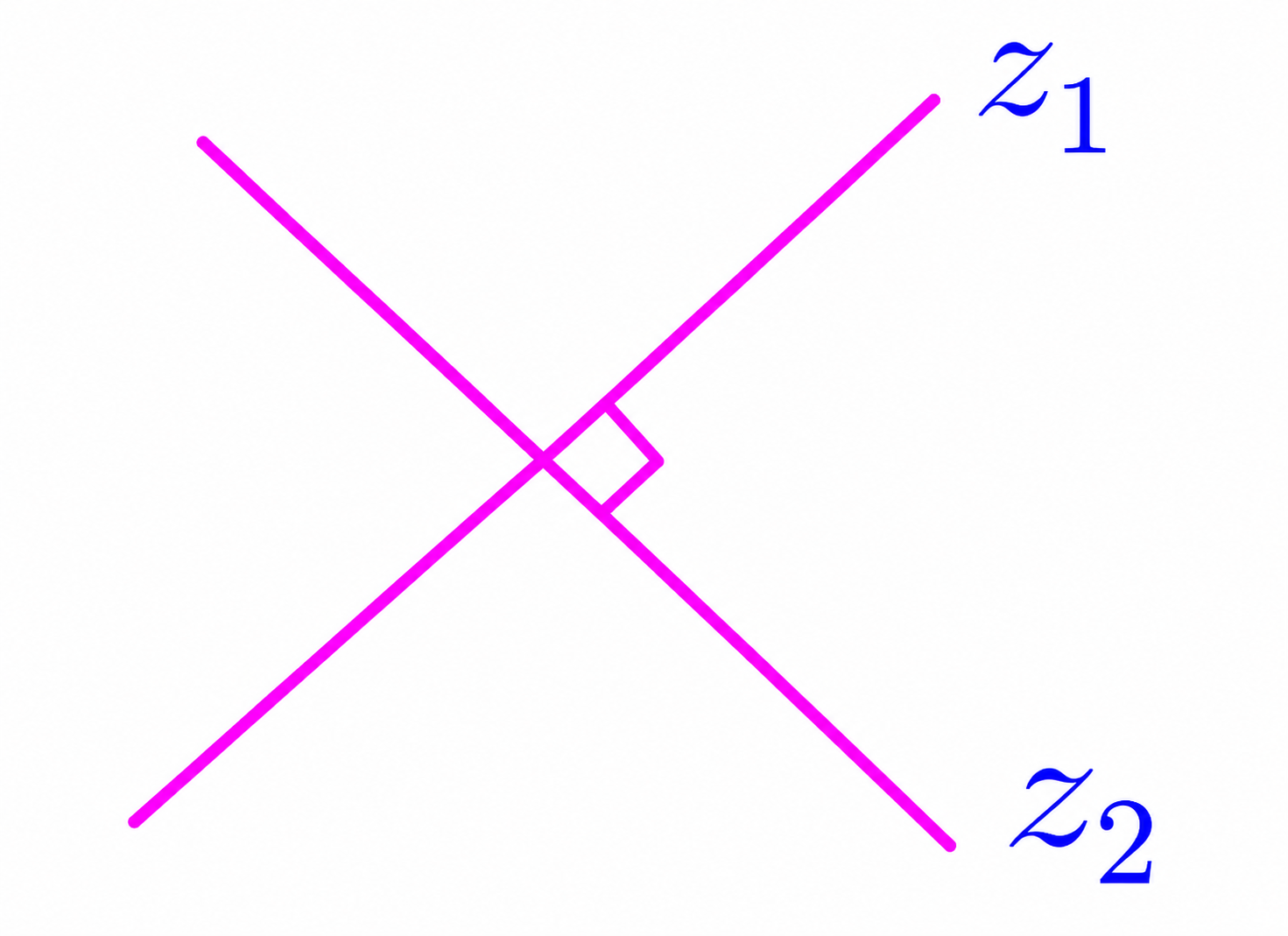
For nonzero complex numbers ,
Chord–Midpoint Perpendicularity
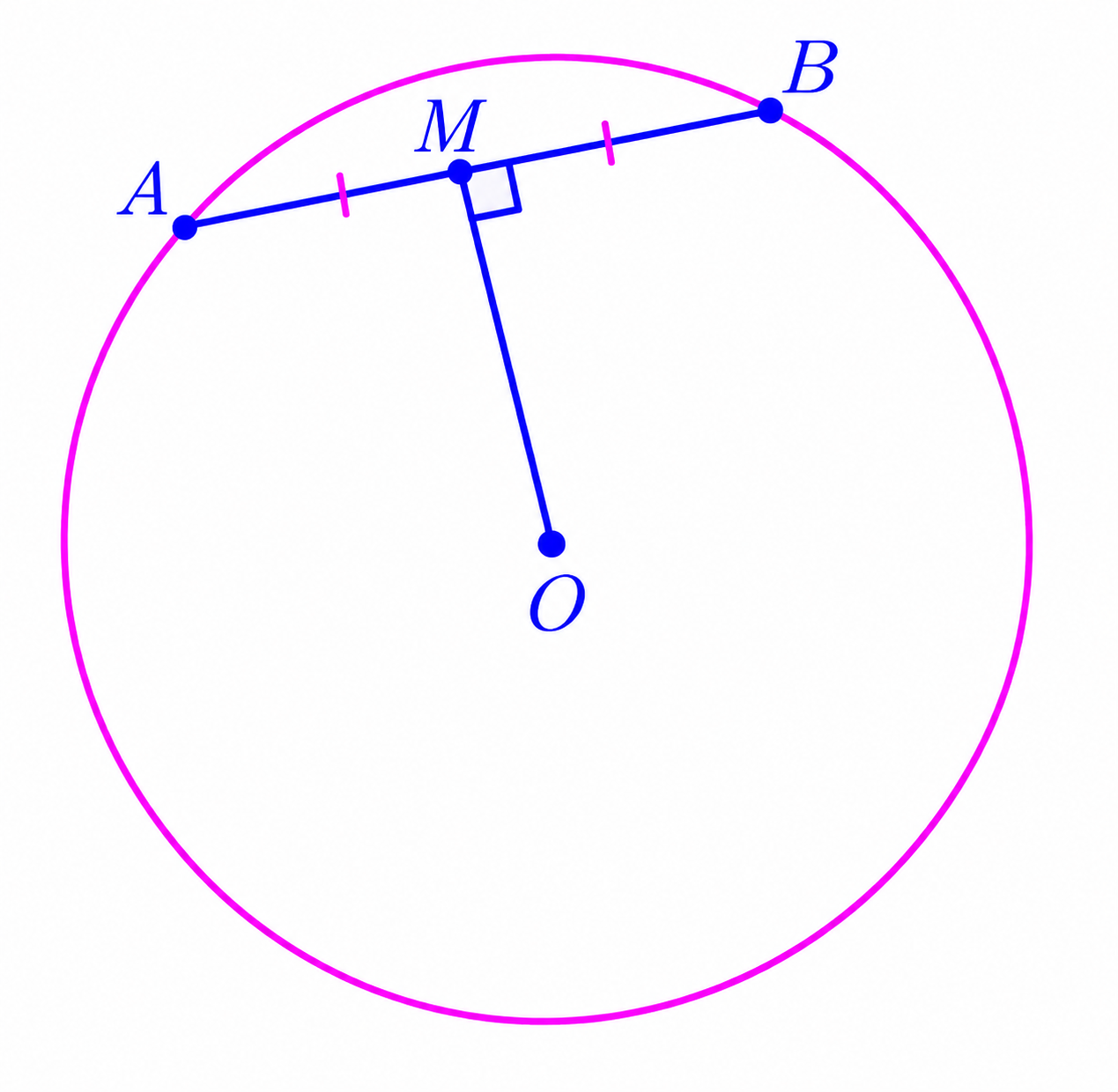
If are distinct points on a circle centered at the origin, then
provided .
Geometrically, the chord is perpendicular to the line joining the circle's center to the midpoint of . If , the chord is a diameter and its midpoint is the center.
Circumcenter of a Triangle in the Complex Plane
Let be the complex coordinates of three noncollinear points . The complex coordinate of their circumcenter is
The points are collinear if and only if the vectors and are parallel. Equivalently, there exists such that
The implications work in both directions.
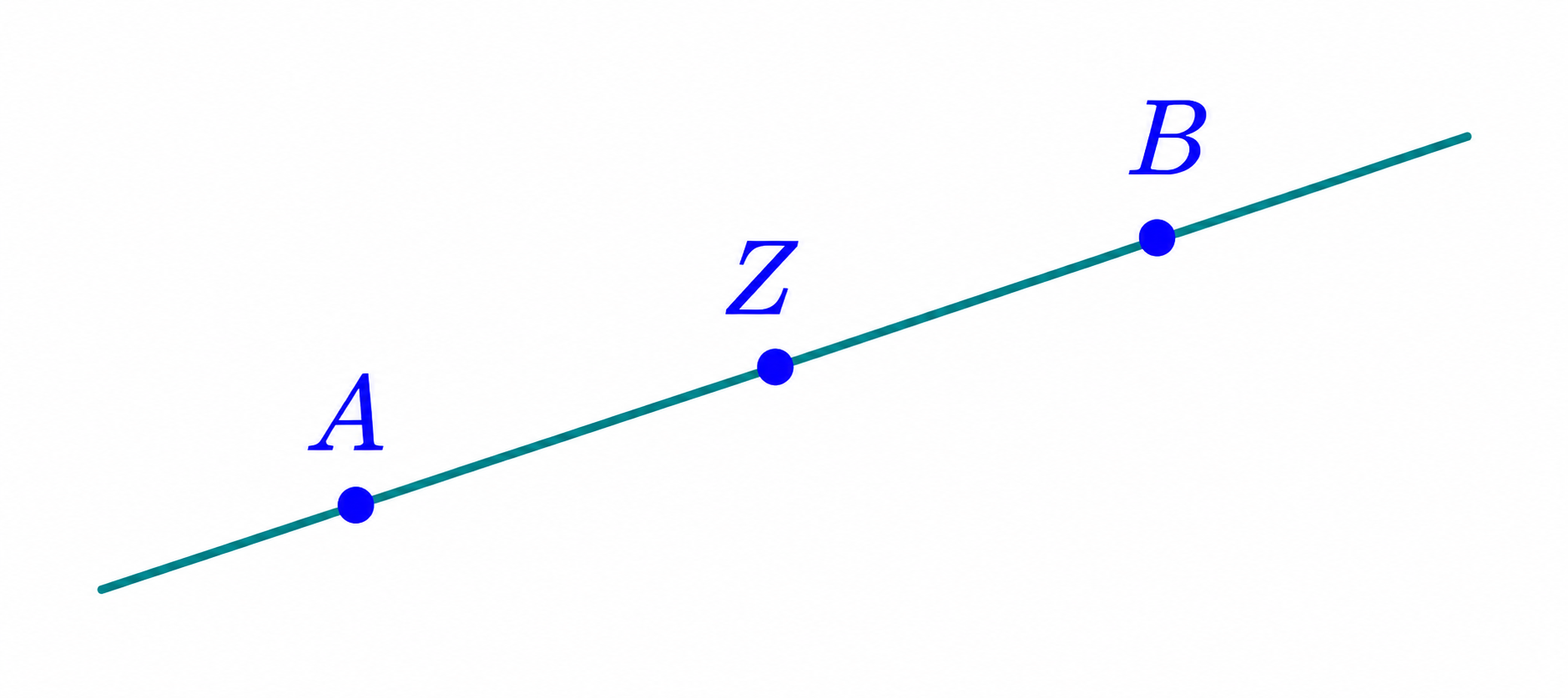
A point with complex coordinate lies on line if and only if
A complex number is real if and only if it equals its conjugate. Therefore,
Cross-multiplying,
Expanding and rearranging,
Dividing by gives
Writing the coefficients as and yields .
Since , write for some real . Multiplying the line equation by gives
so
The right-hand side is real. Let
The equation becomes , a vertical line in the -plane. Multiplication by is a rotation and preserves distances. Hence
Since lies on both lines,
Multiply the first equation by and the second by , then subtract the first resulting equation from the second:
Because the lines are nonparallel, . Hence
Since lie on the unit circle,
By Proof 2, the equation of line is
Now,
and
Thus line has equation
Similarly, line has equation
At their intersection,
Multiply the first equation by and the second by , then subtract the first from the second:
Since ,
For the directed angles and ,
Therefore,
The directed angle between the two nonzero vectors is
They are perpendicular if and only if
which happens exactly when is purely imaginary. Write , where . Then
Consequently,
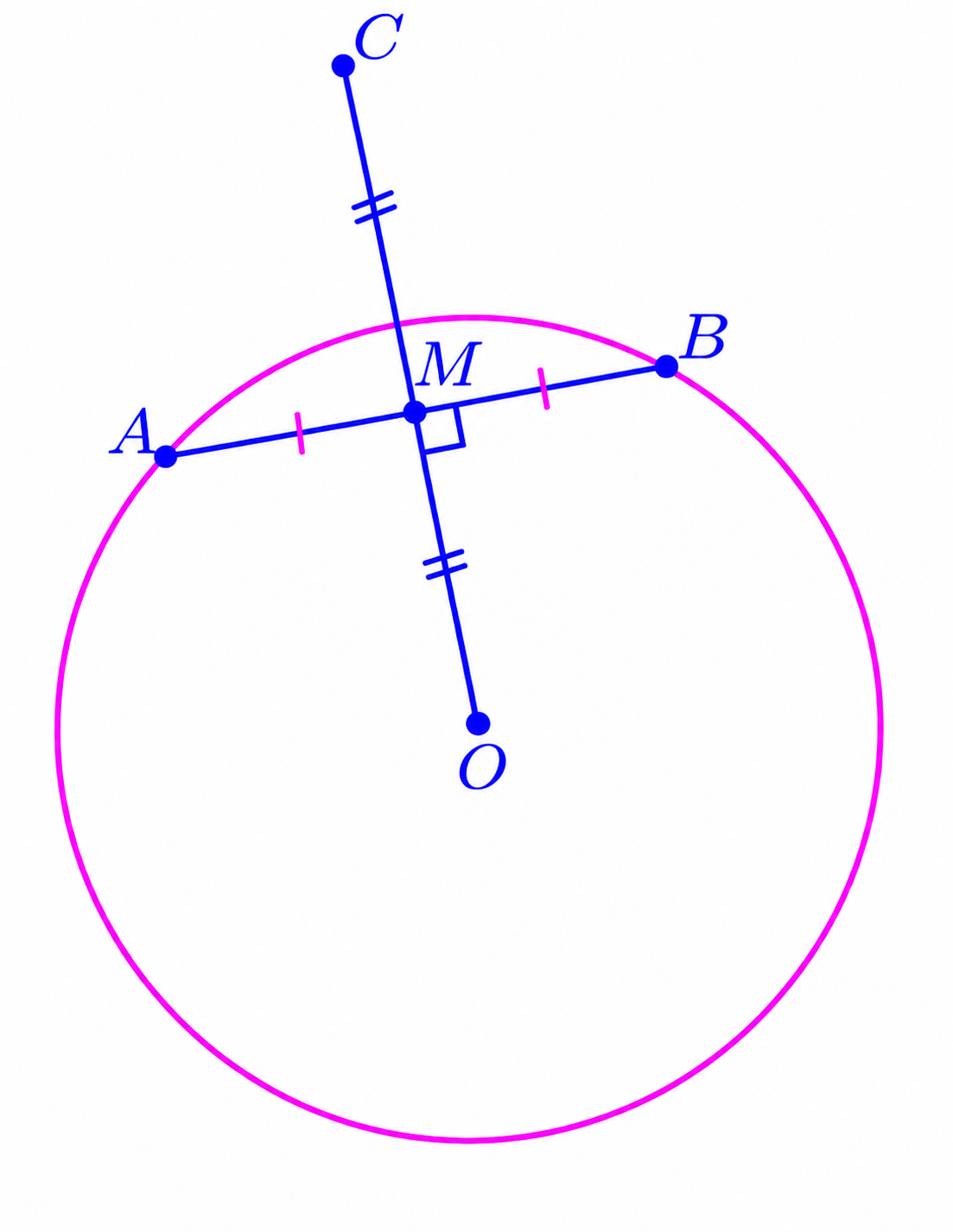
Let be the origin and the midpoint of chord . Then the complex coordinate of is . Thus the vectors and have complex coordinates and , respectively.
Since ,
Therefore, , so by Proof 7. The quotient is defined when .
Let be the circumcenter. Then
Expanding the squared distances gives
Multiply the first equation by and the second by , then subtract the first from the second to eliminate :
The denominator is nonzero because are noncollinear. Dividing gives
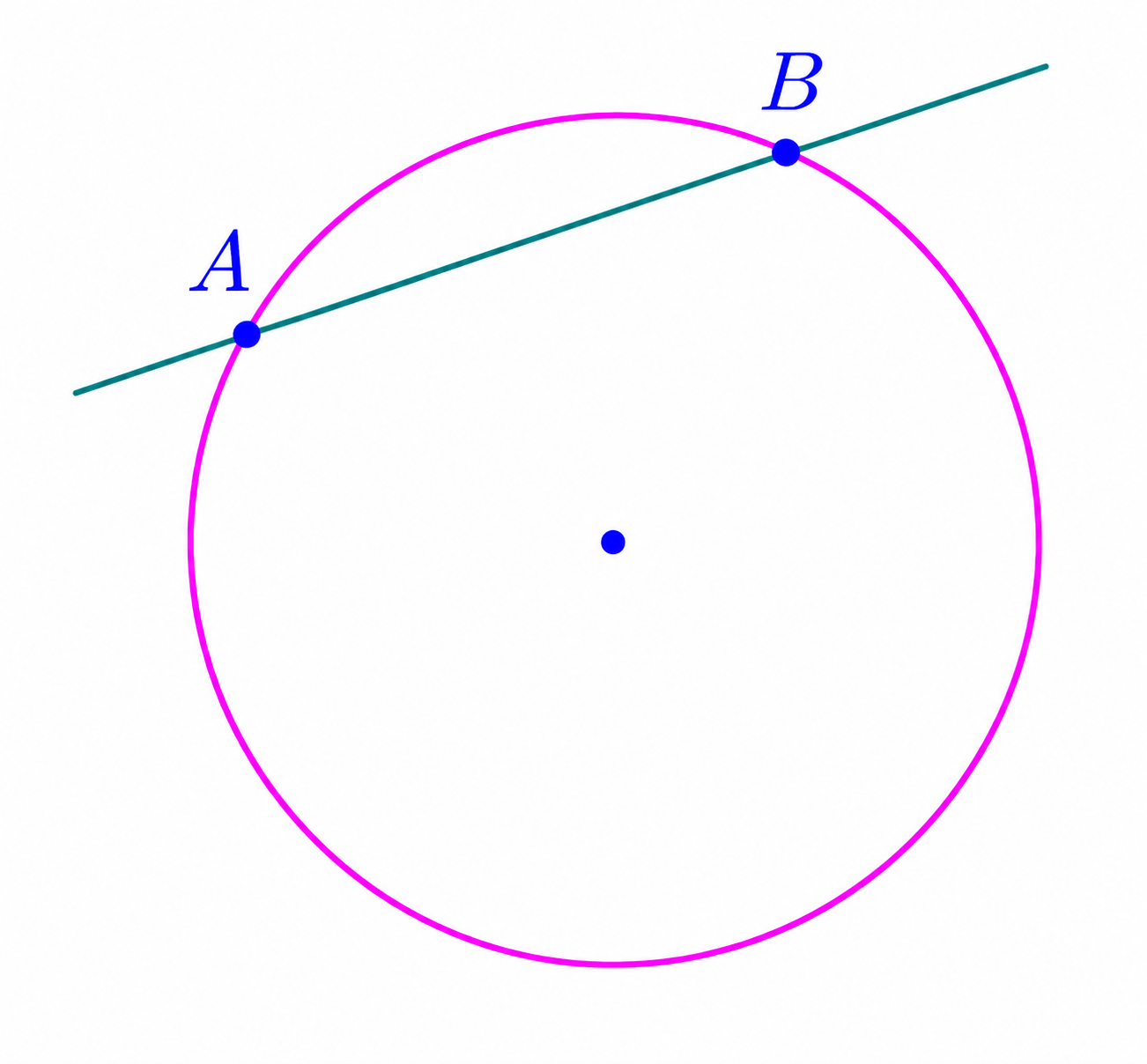
For two distinct points on the unit circle centered at the origin, with complex coordinates ,
Proof. Starting from the general line equation,
use and to obtain
Hence .
Let be three distinct points on the unit circle, with complex coordinates . Define
Prove that
Then prove that the point with complex coordinate is the orthocenter of triangle .
Since lie on the unit circle,
Therefore,
Now we show that is the orthocenter. Observe that . Since lie on the unit circle,
Thus . By perpendicularity of complex vectors,
Similarly,
Therefore is the orthocenter of triangle .
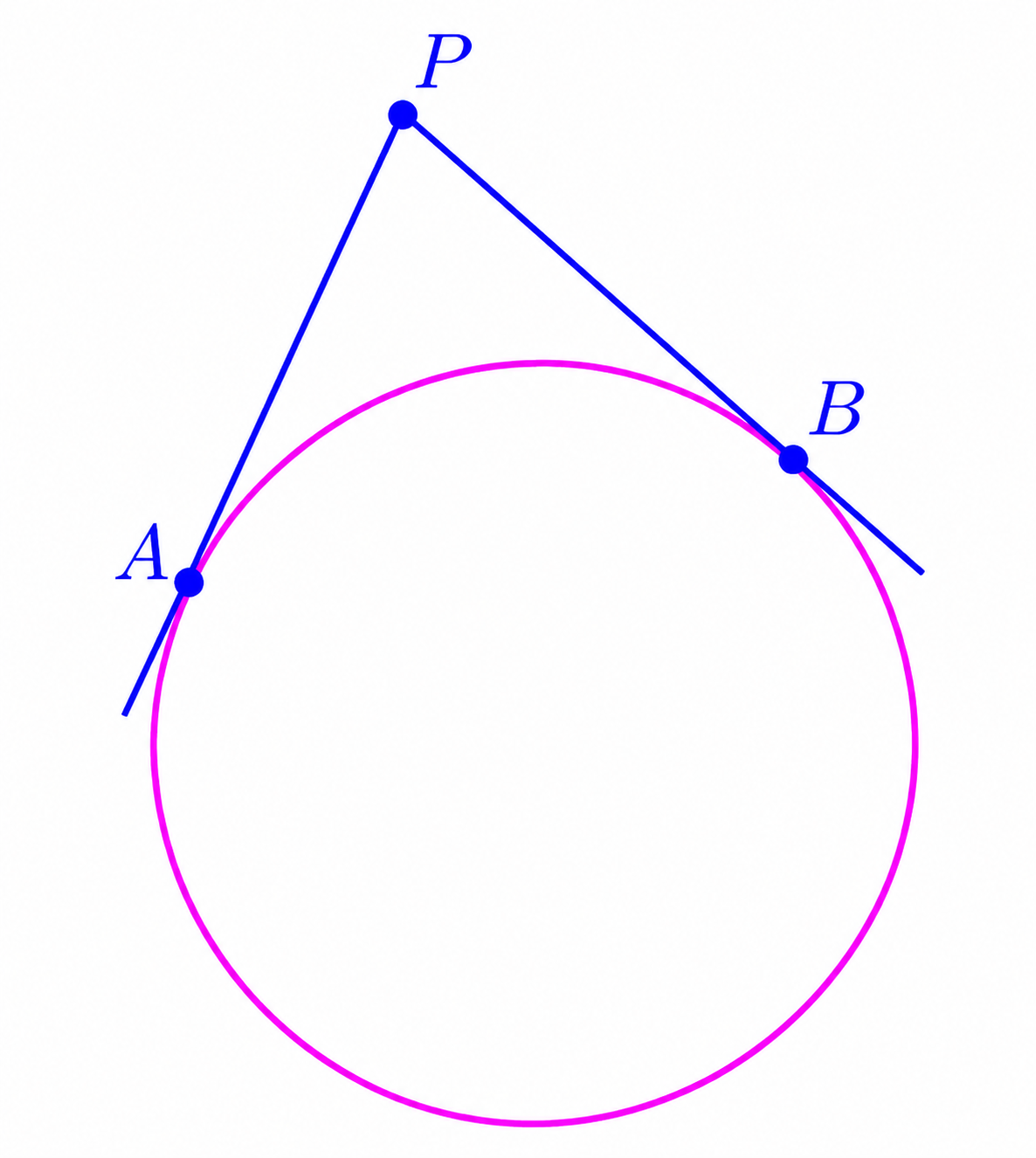
Let be two distinct points on the unit circle centered at the origin, with complex coordinates , where . The tangents at and intersect at . Prove that
First, derive the tangent equation from the chord-line formula. For two points on the unit circle, their chord line is
As along the unit circle, the chord approaches the tangent at , giving
Similarly, the tangent at has equation
At their intersection ,
By the general intersection formula,
The denominators are nonzero because and .