Olympiad Toolkit
A growing collection of essential formulas, identities, and techniques for mathematical olympiad problem solving.
- 1.
- 2.
- 3.
- 4.
- 5.
- 6.
- 7.
- 8.
- 9.
- 10.
- 11.
- 12.
- 13.
- 14.
- 15.
- 16.
- 17.
- 18.
- 19.
- 20.
- 21.
- 22.
- 23.
- 24.
- 25.
- 26.
- 27.
- 28.
- 29.
- 30.
- 31.
Condition Number of Real Roots Sign of 2 1 0 sign(a) - 32.
- 33.
- 34.
- 35.
- 36.
- 37.
- 38.
- 39.
- 40.
- 41.
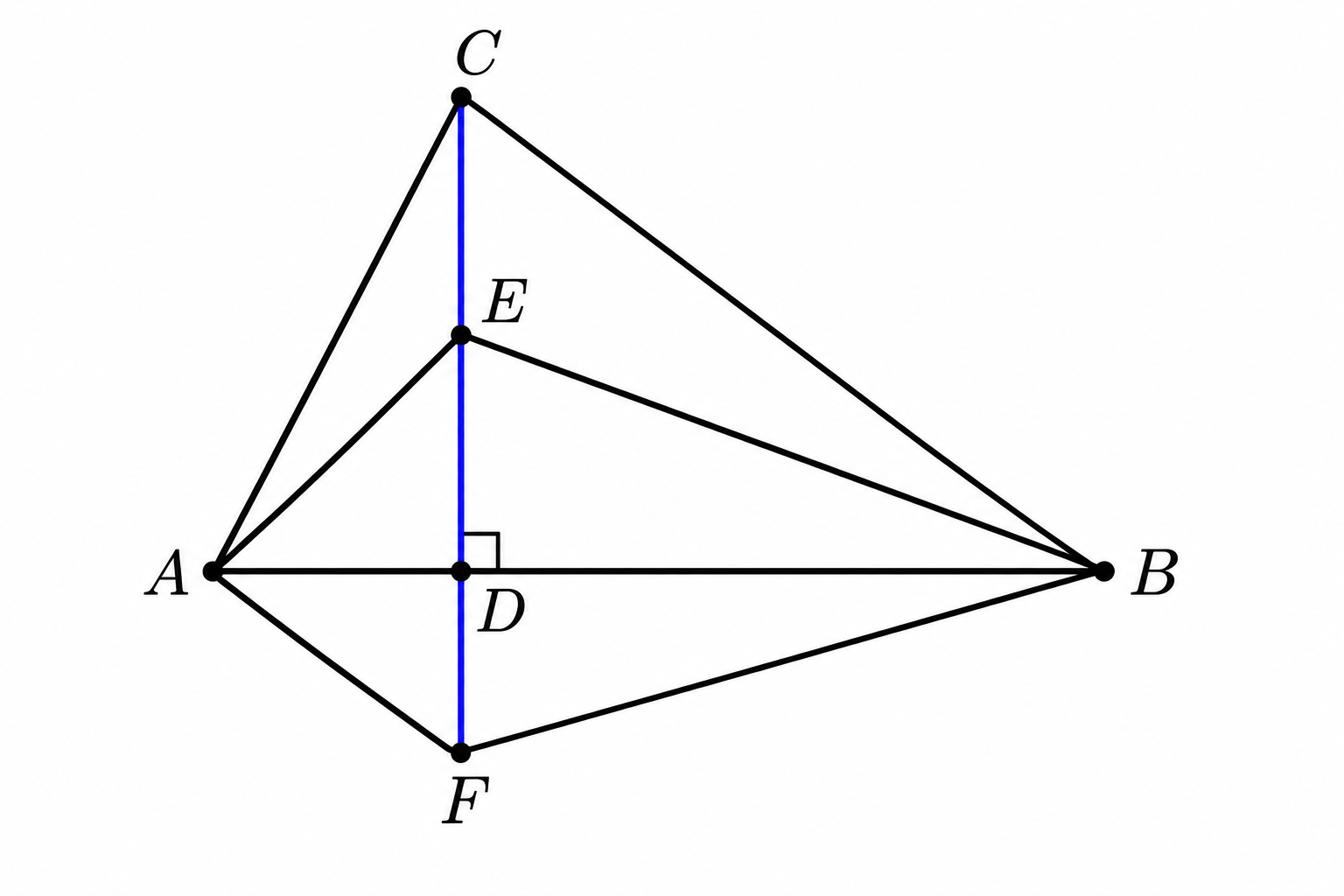
- 42.
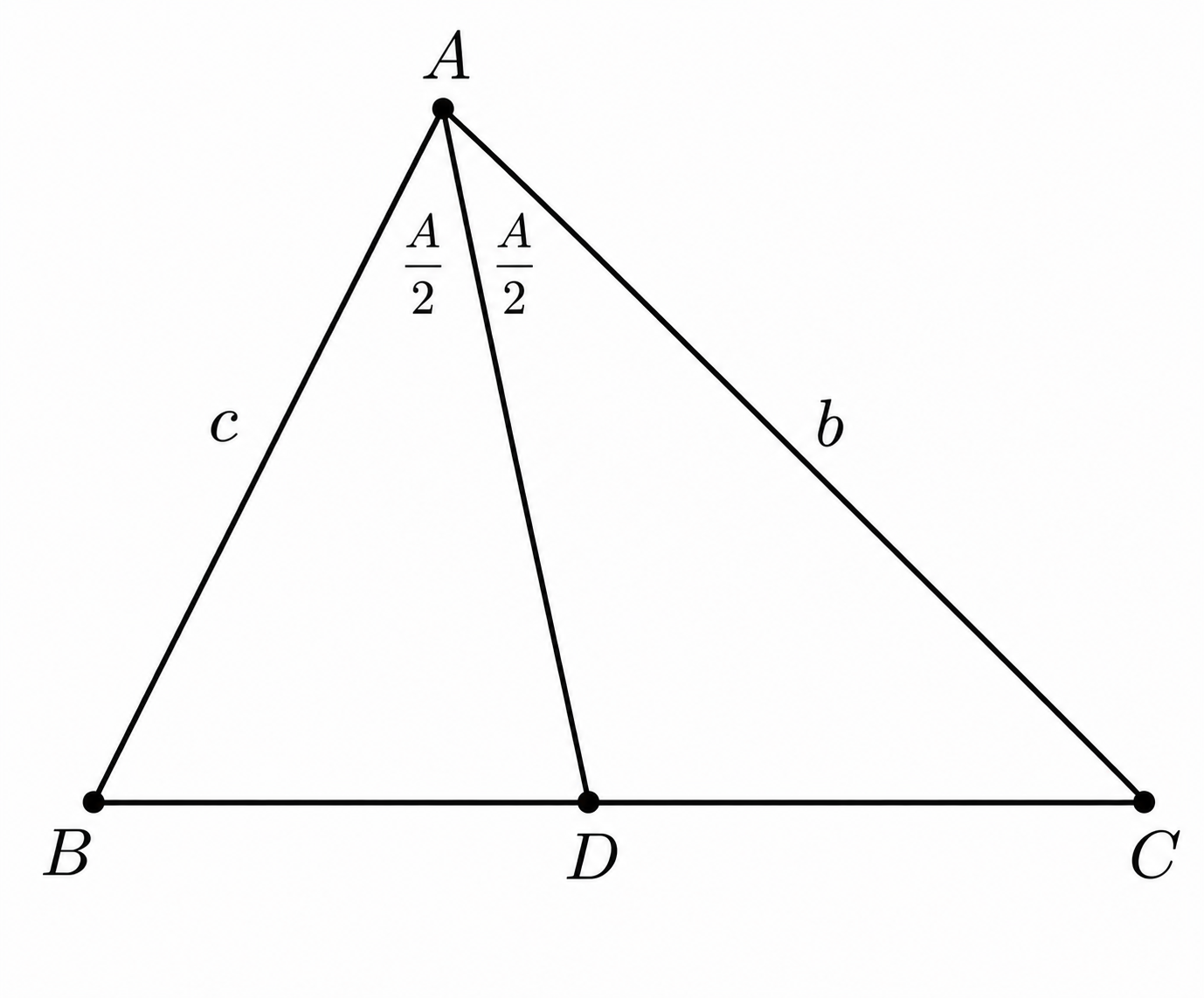
- 43.
- 44.
- 45.
- 46.
Definition
Properties
- 47.
Definition
Properties
- 48.
Two Sets
Three Sets
General Formula
Exactly One Set
- 49.
is the number of integers from to that are relatively prime to .
If ,
- 50.
Let be a positive integer. If ,
- 51.
Transformation Example Horizontal Shift Right 3 Horizontal Shift Left 3 Vertical Shift Up 3 Vertical Shift Down 3 Horizontal Stretch by Factor 2 Horizontal Compression by Factor 2 Vertical Stretch by Factor 2 Vertical Compression by Factor 2 Reflection in x-axis Reflection in y-axis - 52.
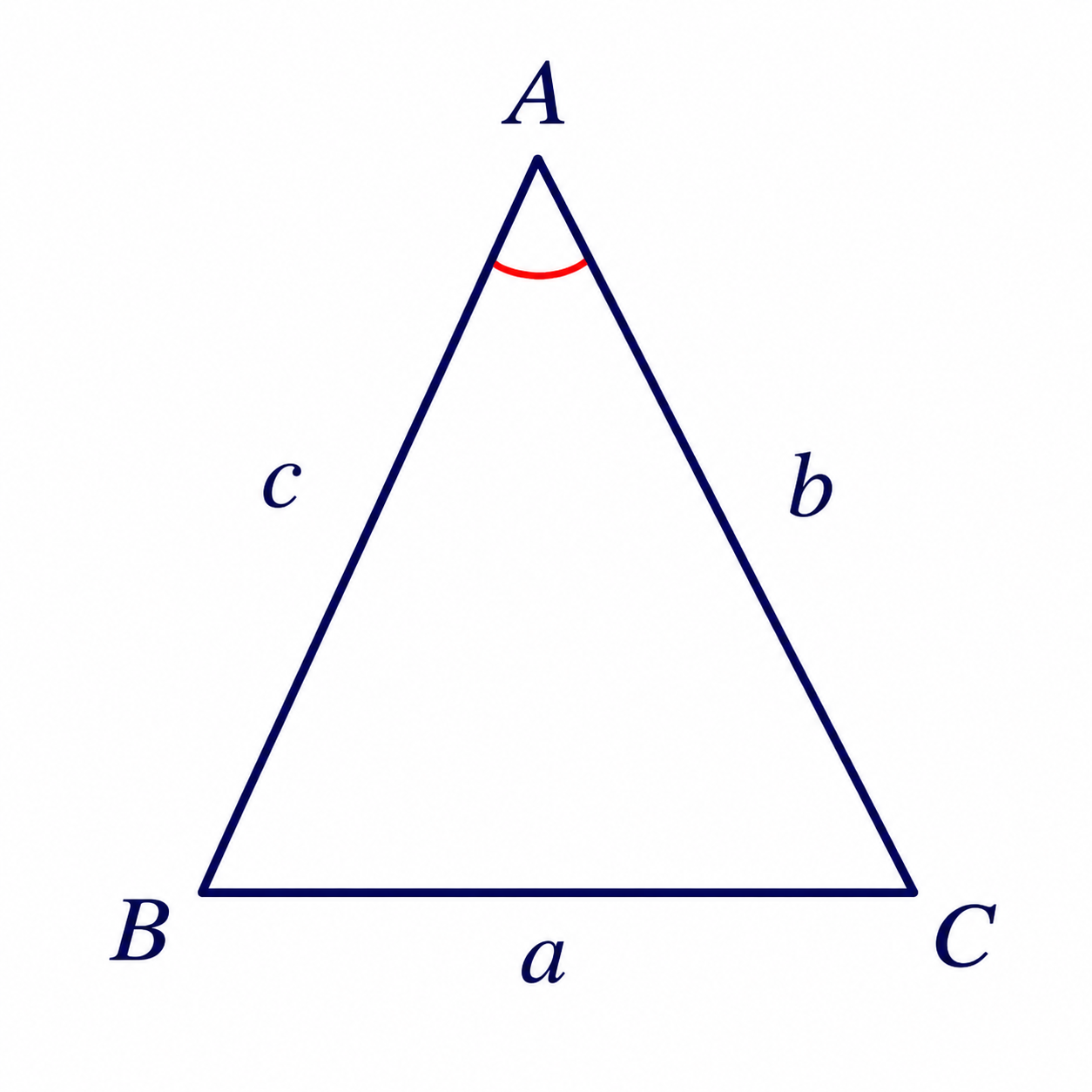
Triangle Area Formulas
Quadrilateral Area Formulas
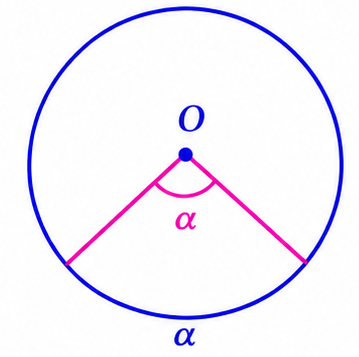
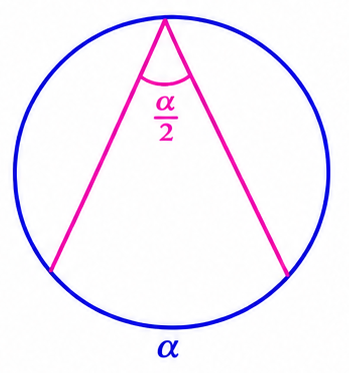
Circle Formulas
- 53.
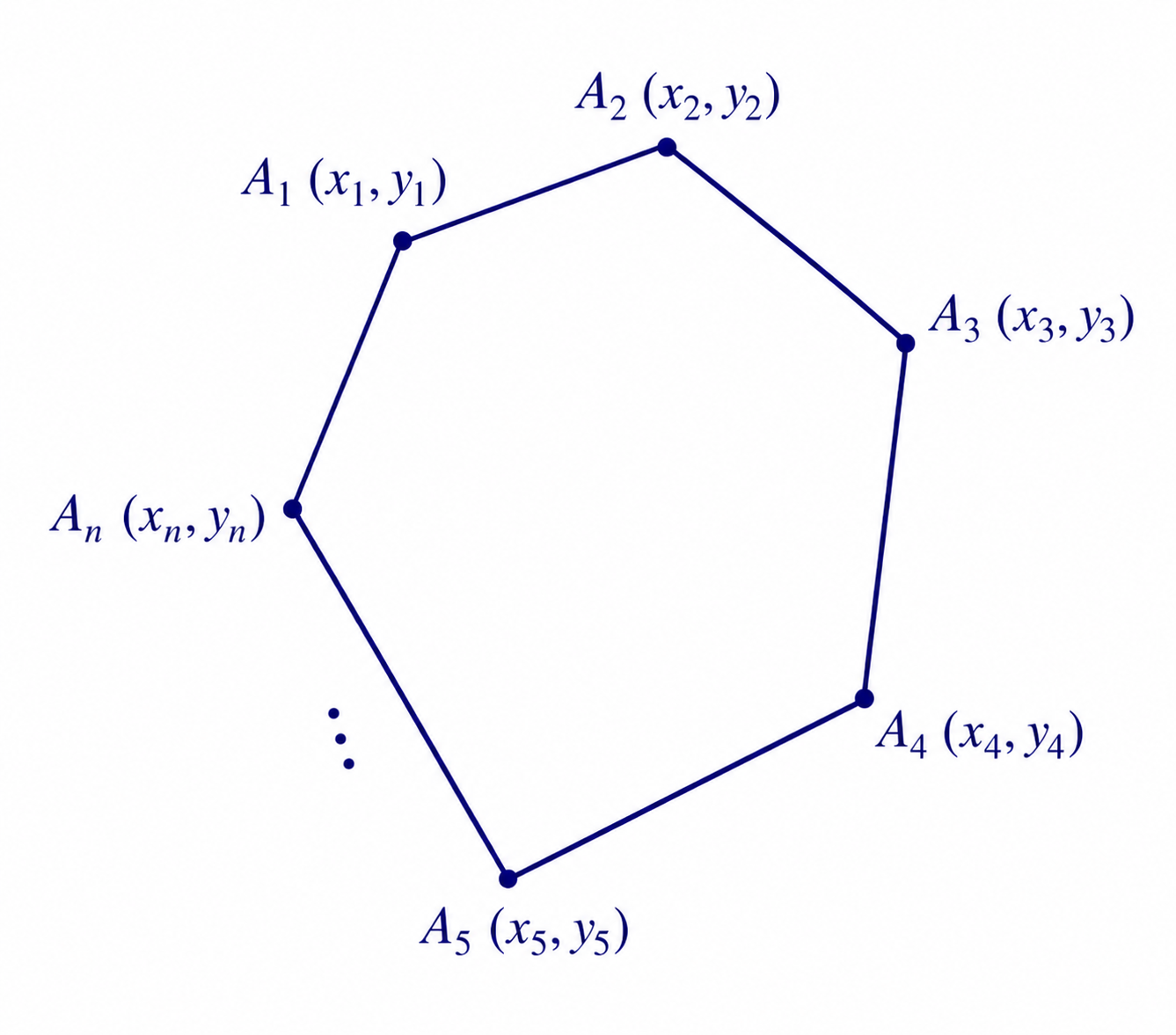
- 54.
Pair up the elements:
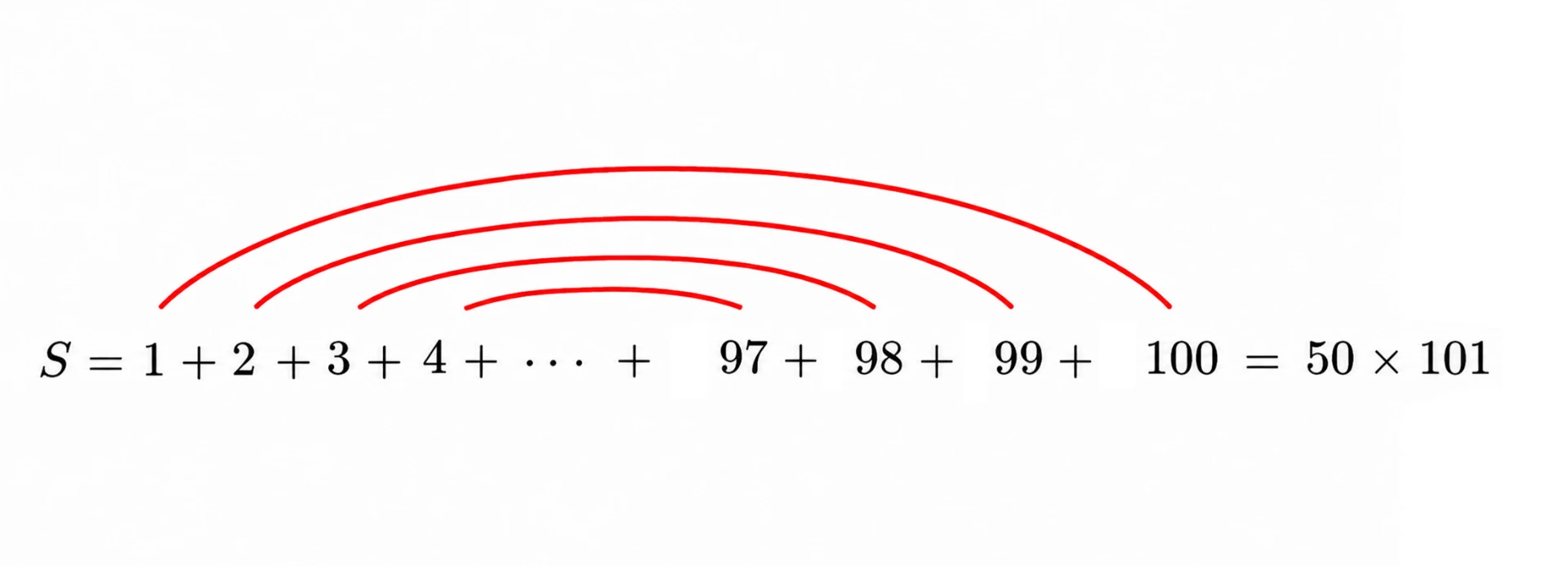
or
Therefore:
- 55.
Undefined Undefined Undefined Undefined 15° and 75°
Angle 18°, 36°, 54°, and 72°
Angle - 56.
- 57.
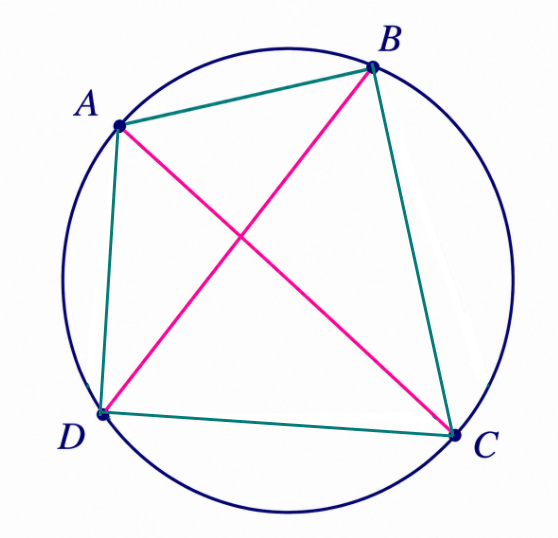
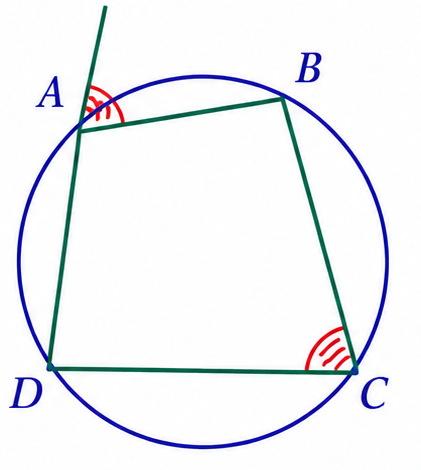
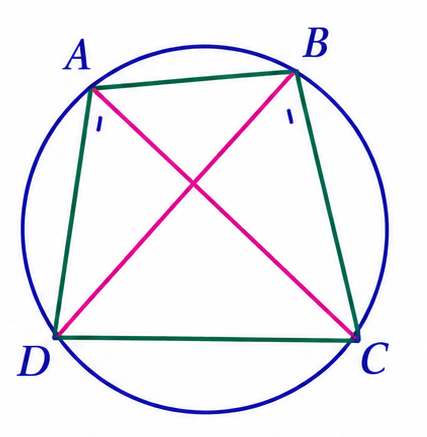
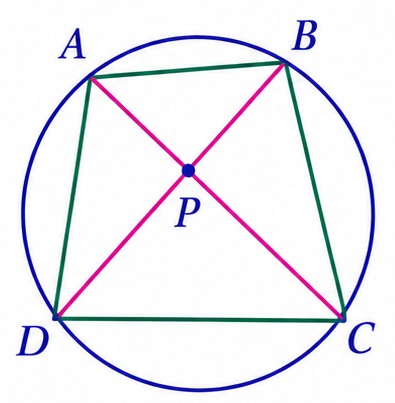
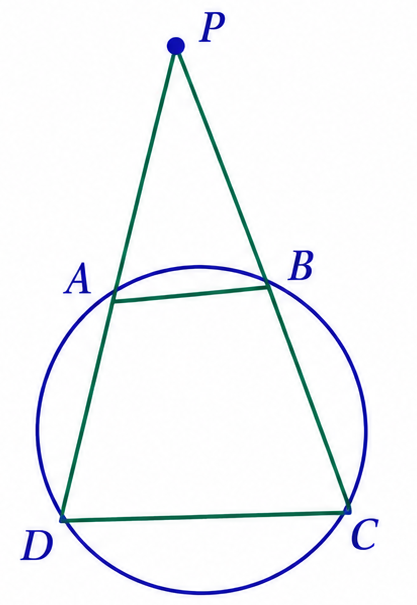
A quadrilateral is cyclic if and only if:
- 58.
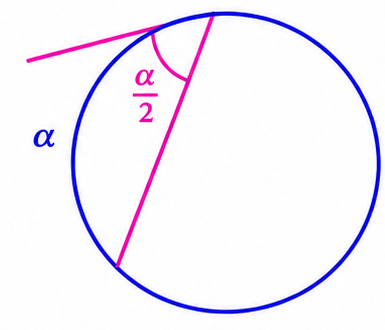
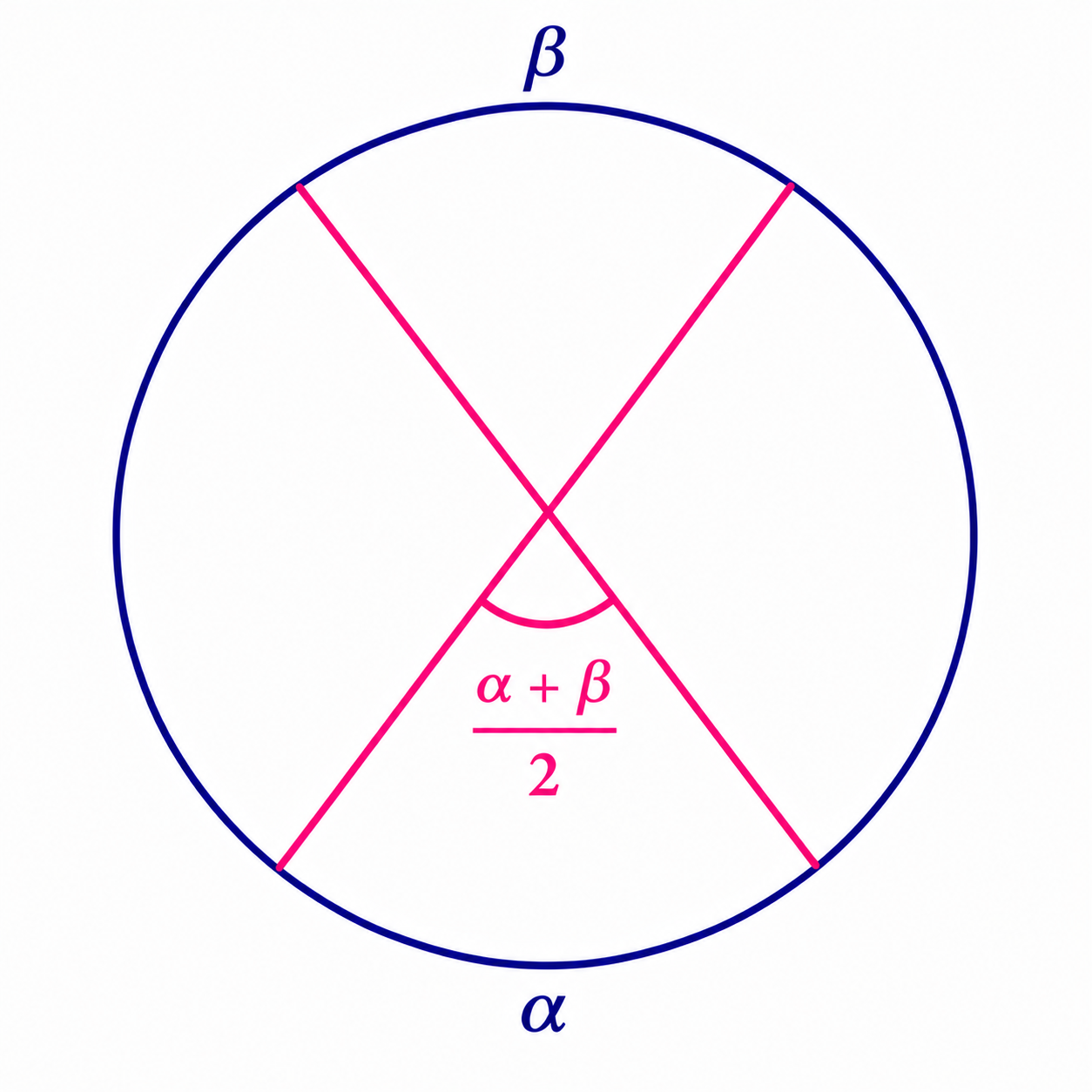
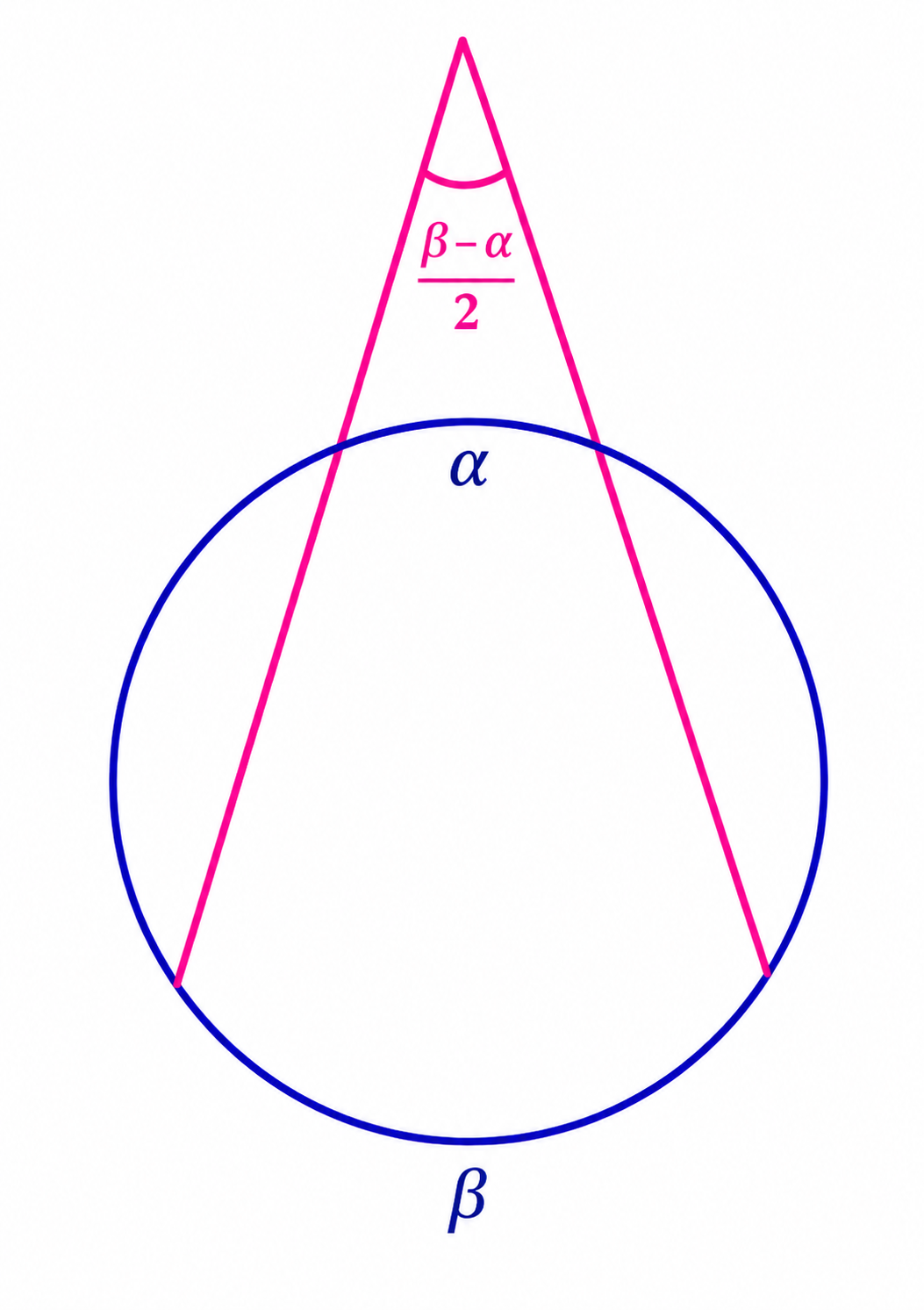
- 59.
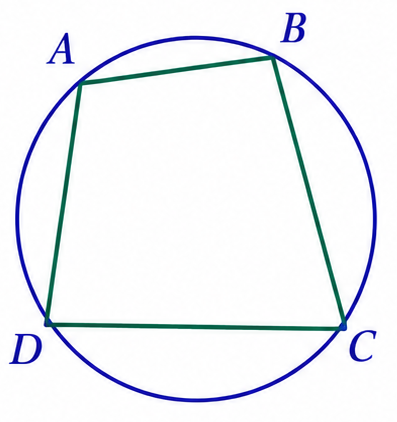
- 60.
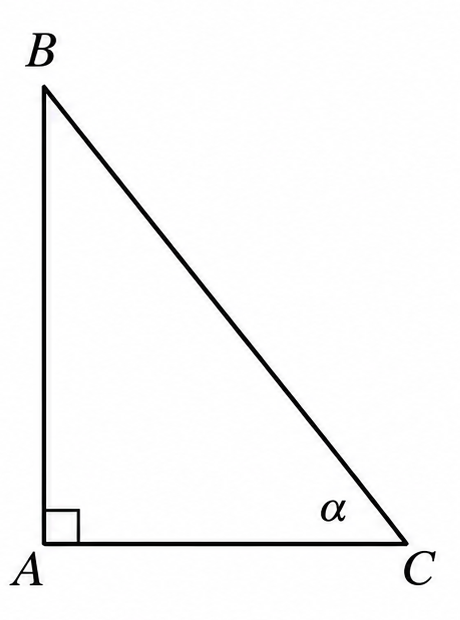
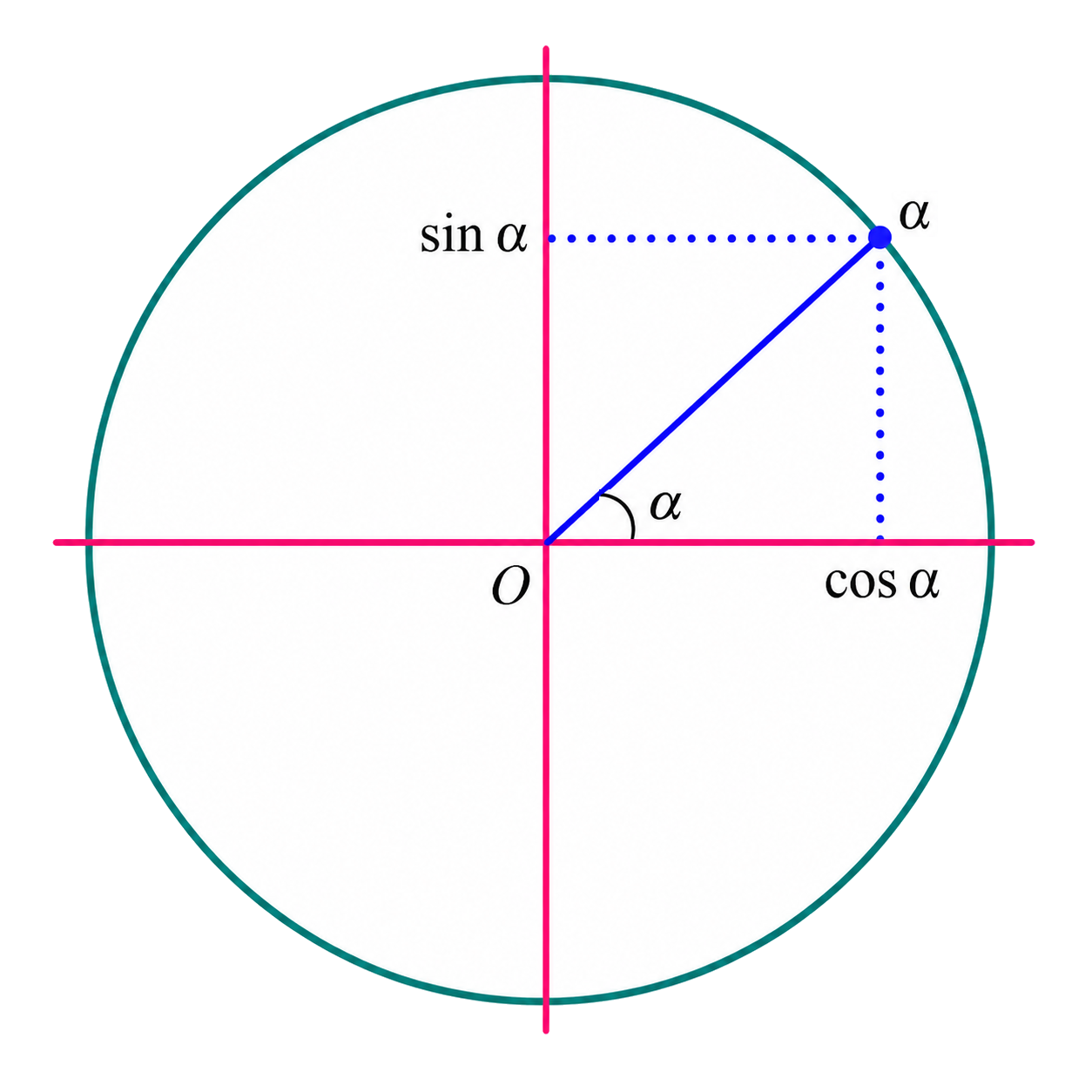
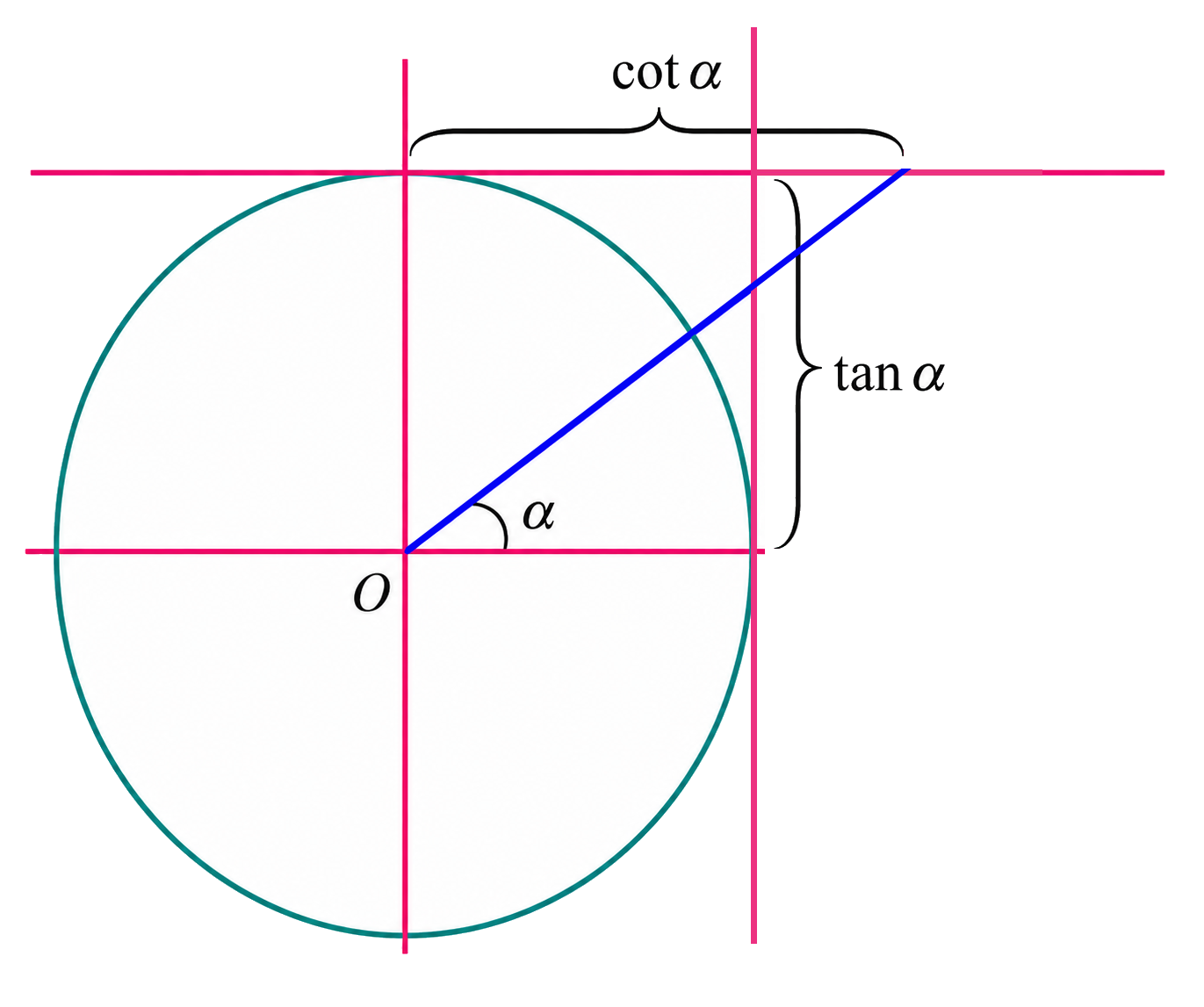
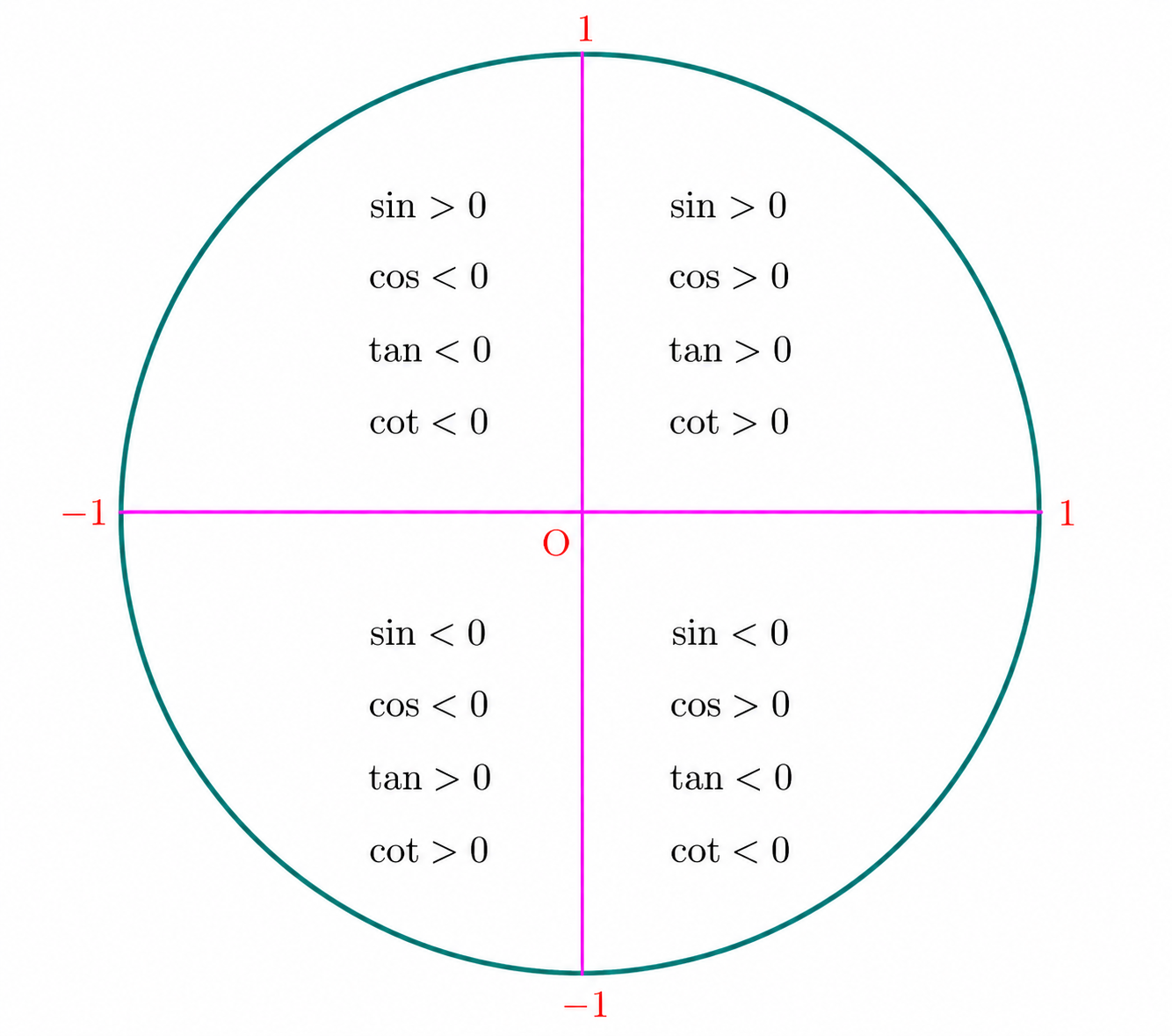
- 61.
- 62.
Constraints can be based on the number of elements, on the size of the elements, or on other conditions.
But usually, if you base your answer on the most limiting case, it will make the problem easier to solve.
- 63.
- 64.
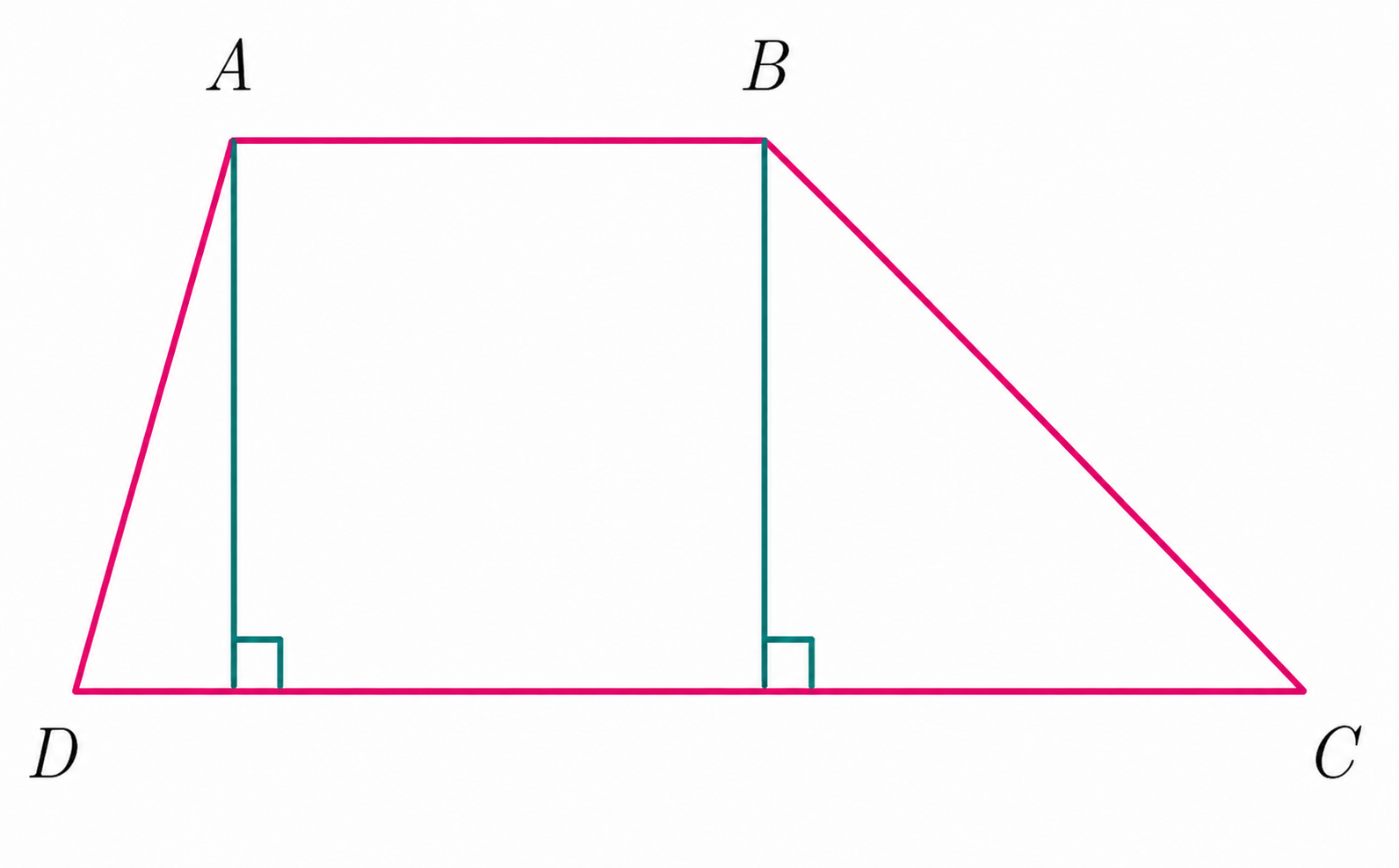
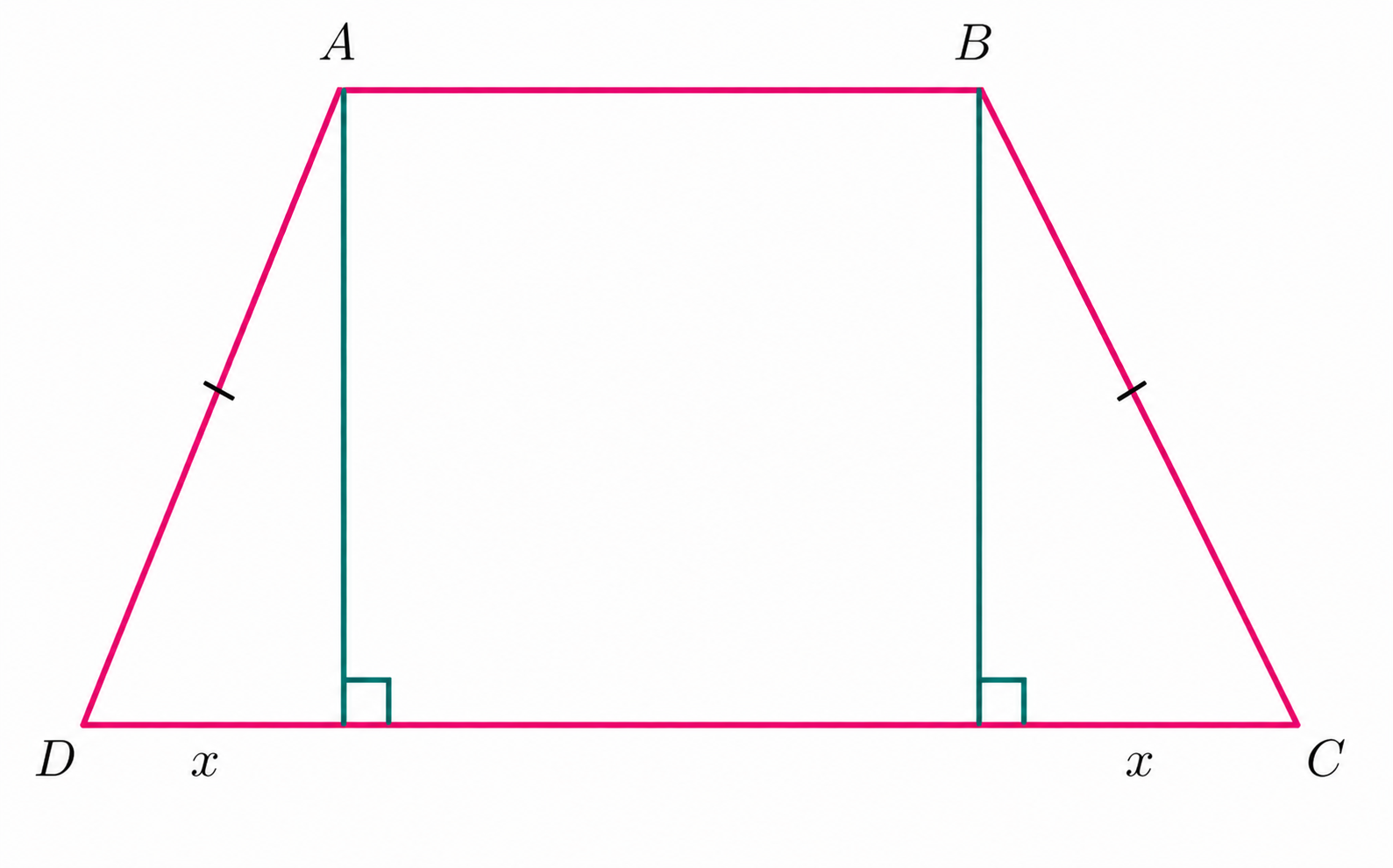
When working with a trapezoid, drawing the altitudes creates right triangles and often simplifies the problem.
- 65.
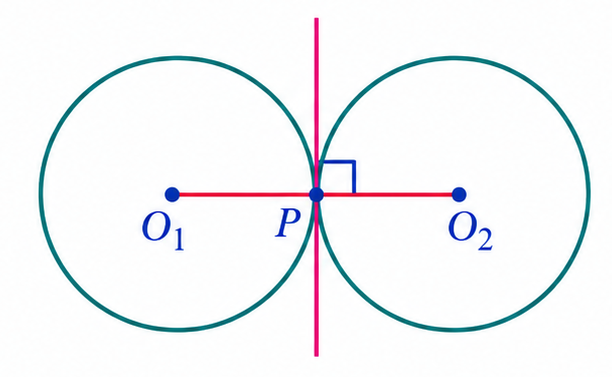
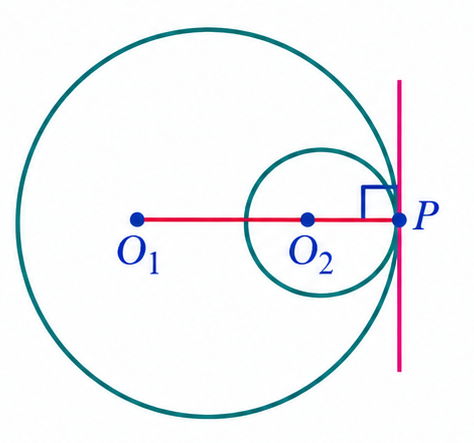
- 66.
1) Square it.
2) Use a changing variable.
- 67.
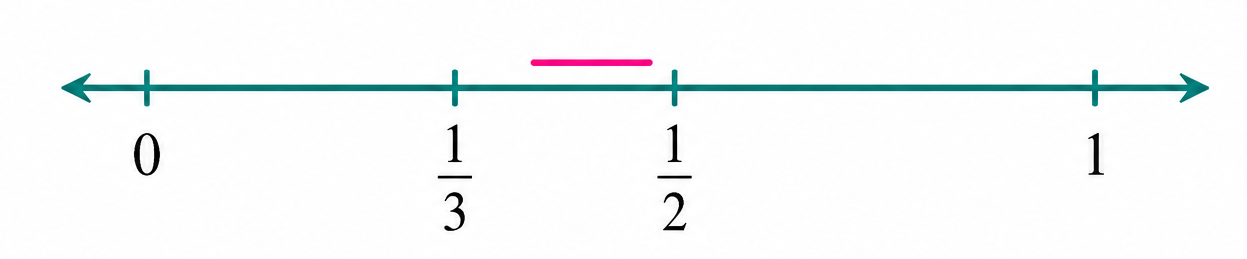
1 dimension
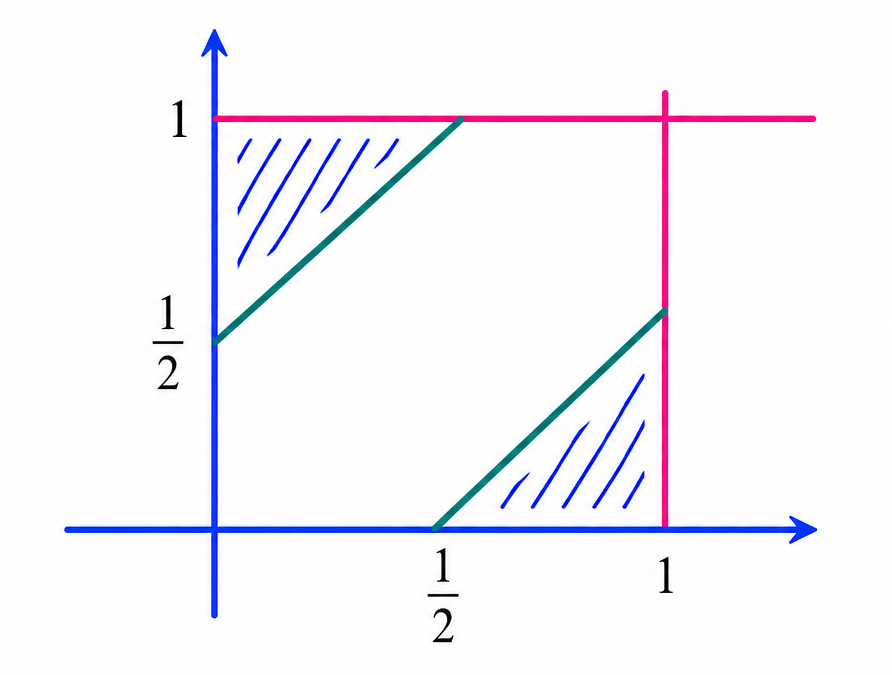
2 dimensions
3 dimensions
- 68.
- 69.
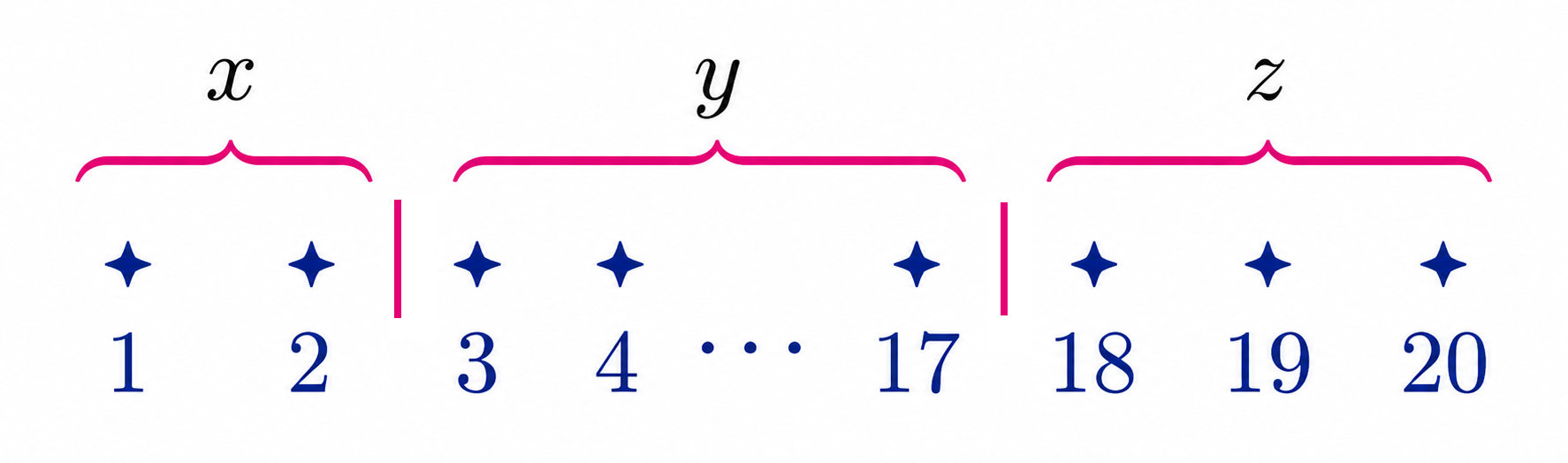
Instead of considering the subsets, we should consider the elements.
Each element has 3 possible choices for and :
Therefore,
- 70.
- 71.
Start with:
Write the following equations in a triangular arrangement:
Then add them:
Since
we get
- 72.
- 73.
- 74.
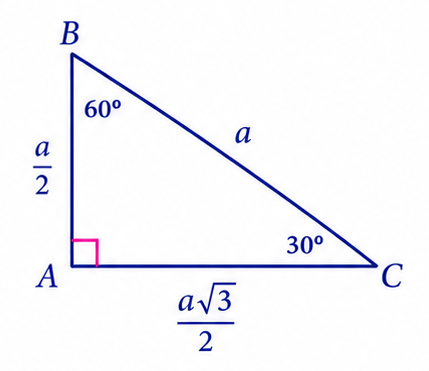
30-60-90 Triangle
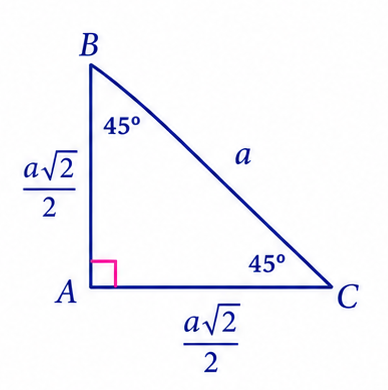
45-45-90 Triangle
- 75.
and are positive integers.
78.1
If and , then .
78.2
If and , then .
is a prime number.
78.3
If and , then or .
78.4
If and , then or .
- 76.
- 77.
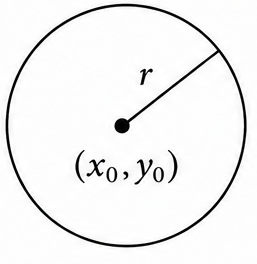
Equation of a Circle
Finding the Equation of a Tangent Line
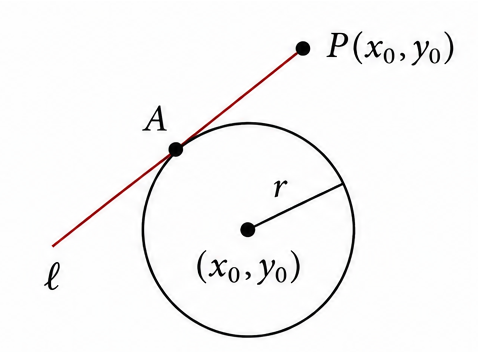
Let the tangent line through the point P(x₀, y₀) have slope m.
Substitute the line equation into the circle equation. Since a tangent line intersects the circle at exactly one point, set the discriminant equal to zero and solve for m.
- 78.
Example
Express two variables in terms of the third:
Substitute into the remaining equation:
Substitute the solutions back:
- 79.
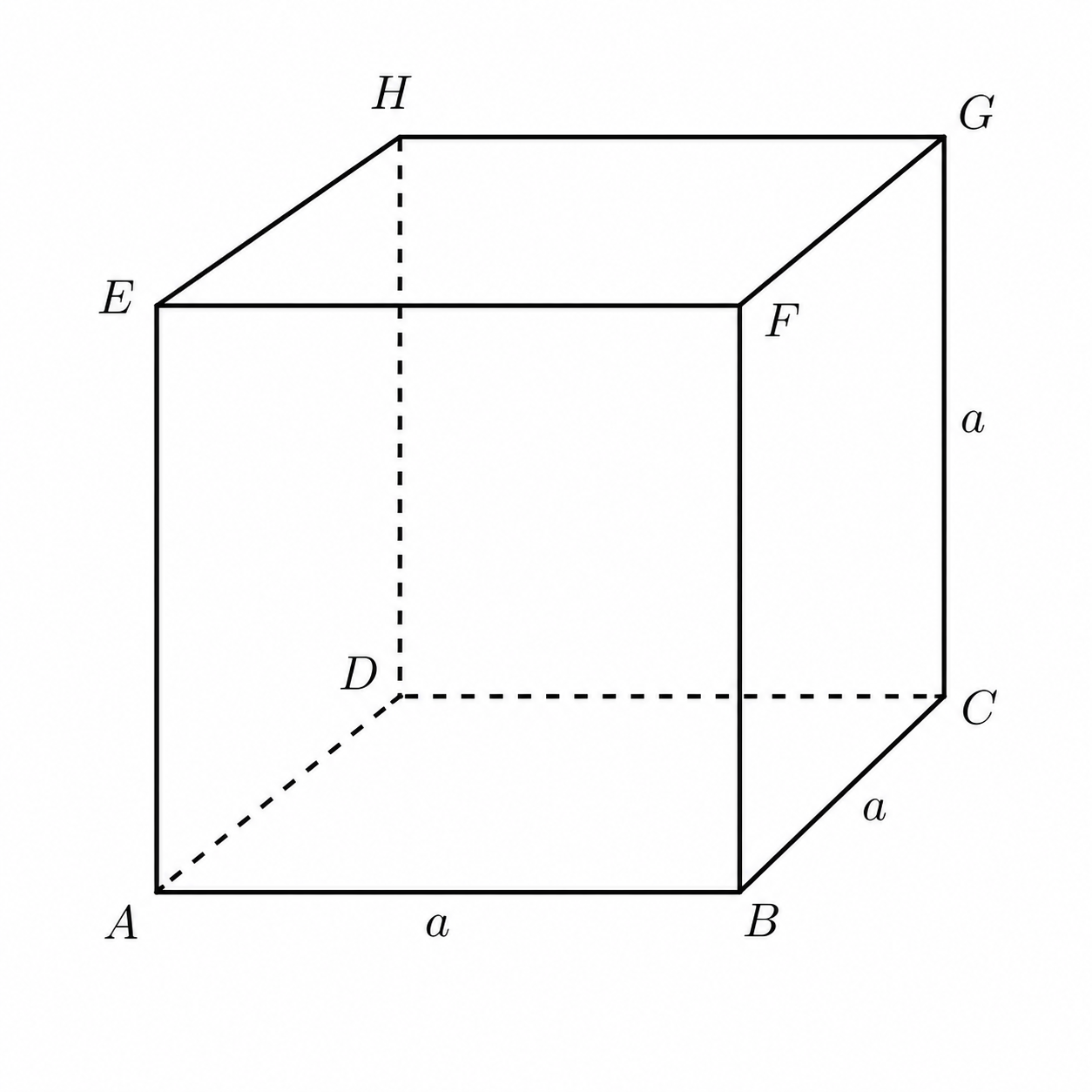
Cube
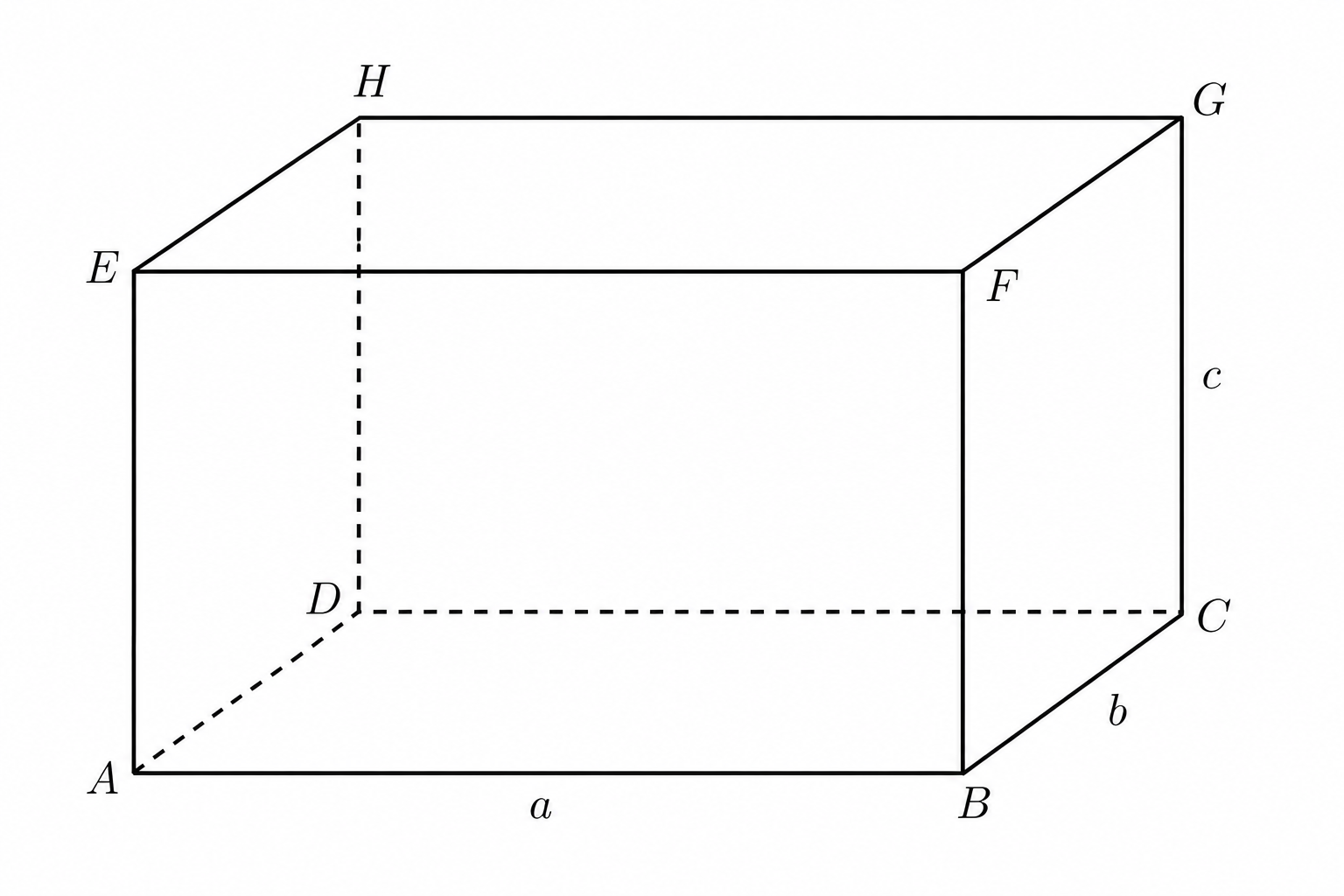
Rectangular Prism
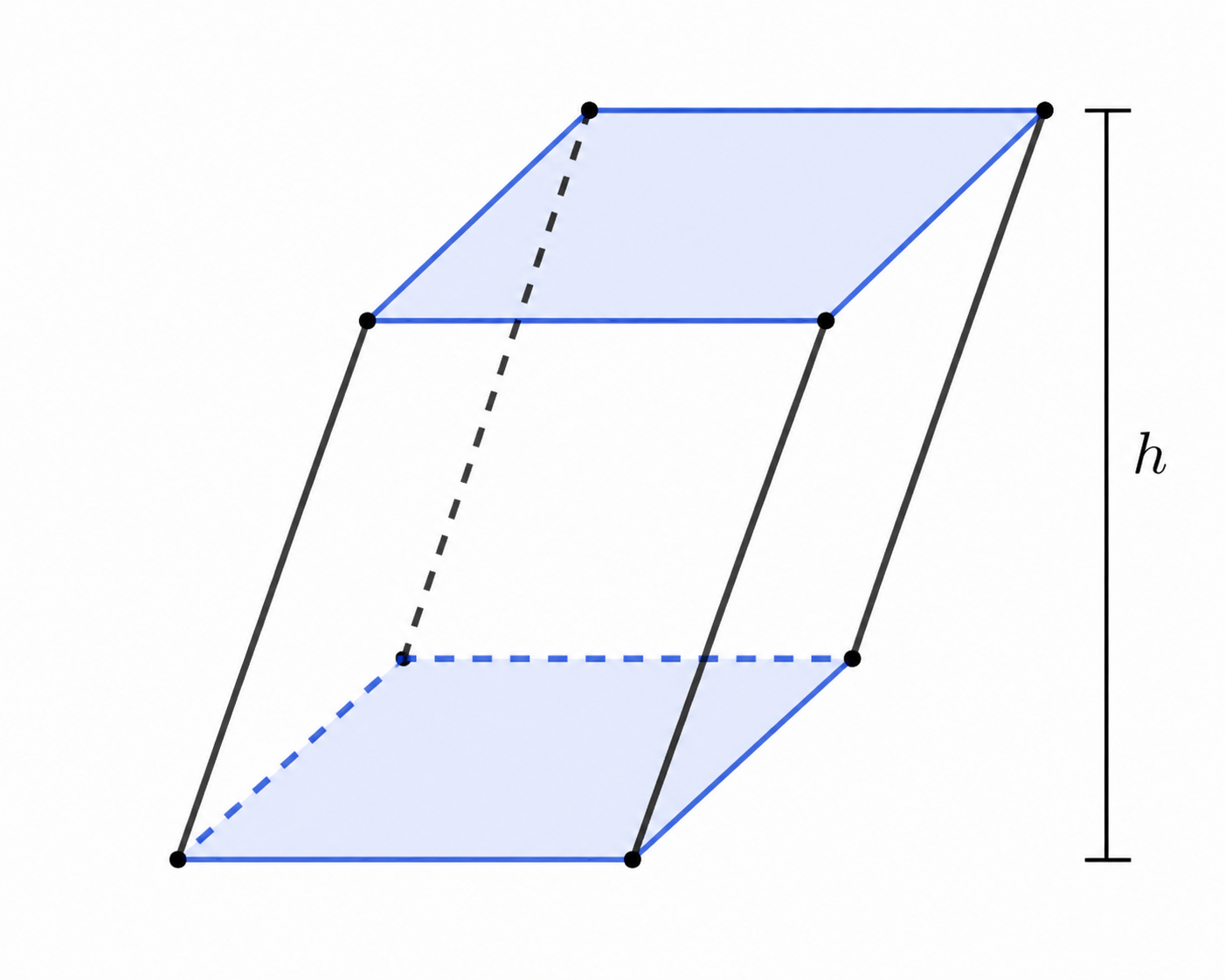
Prism
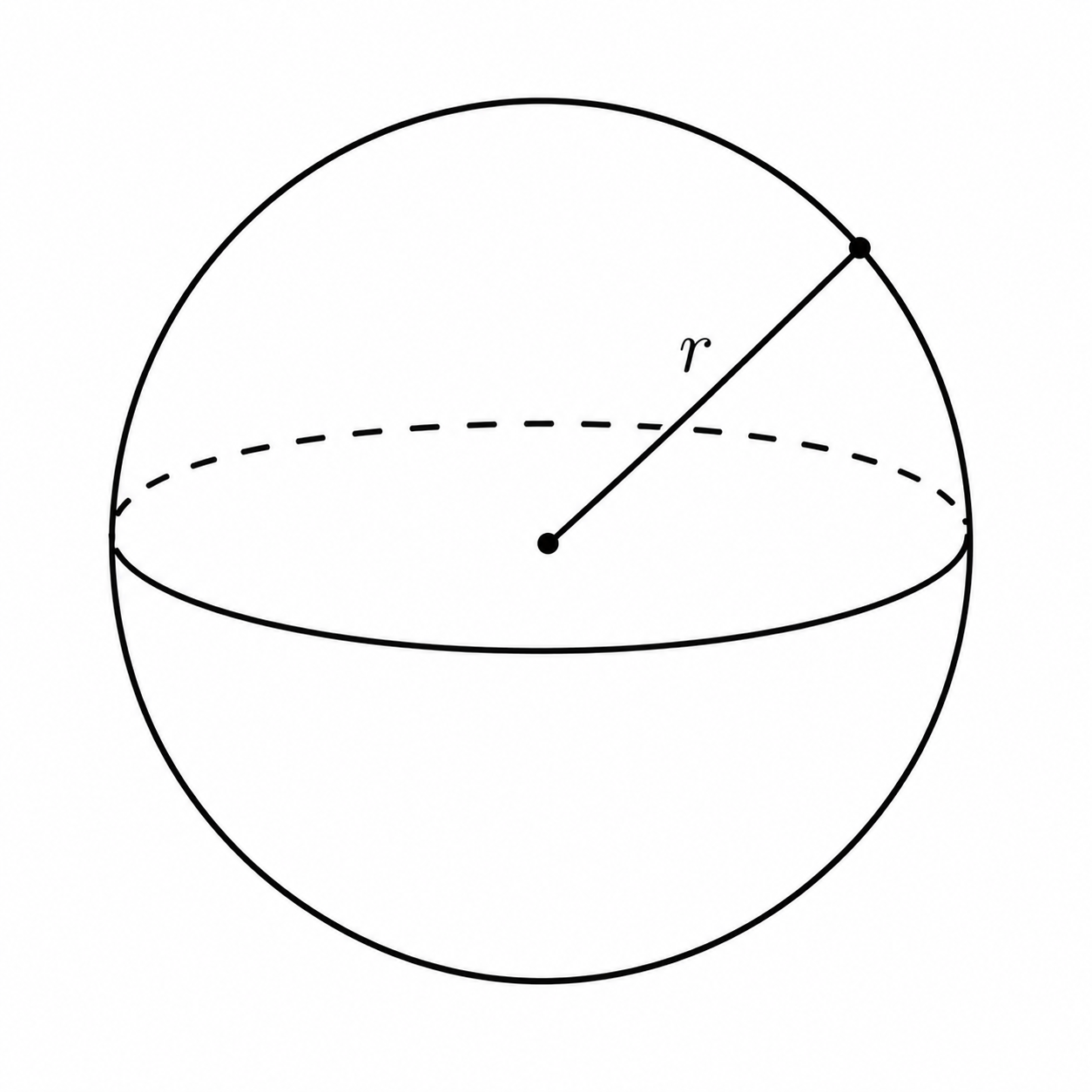
Sphere
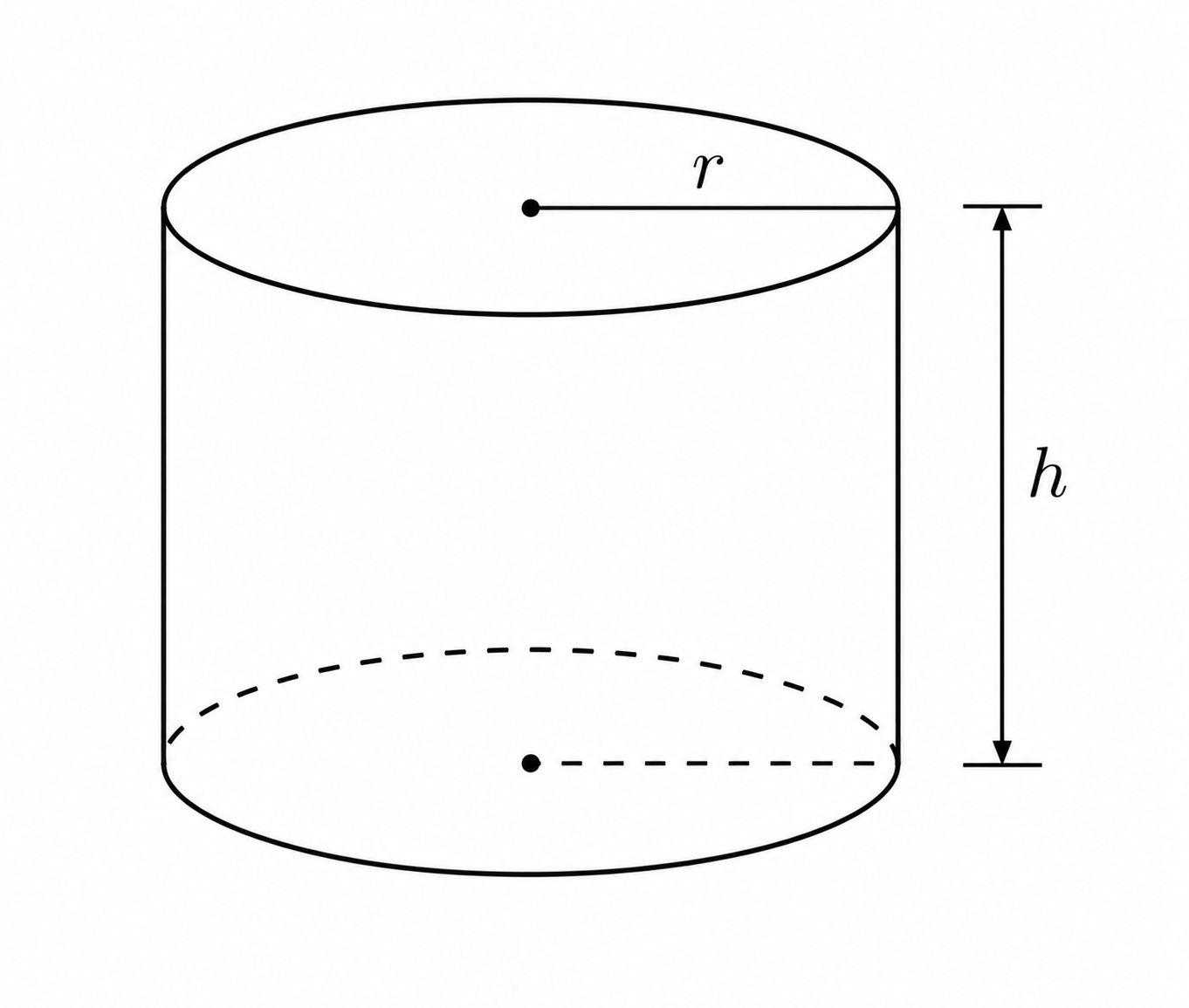
Cylinder
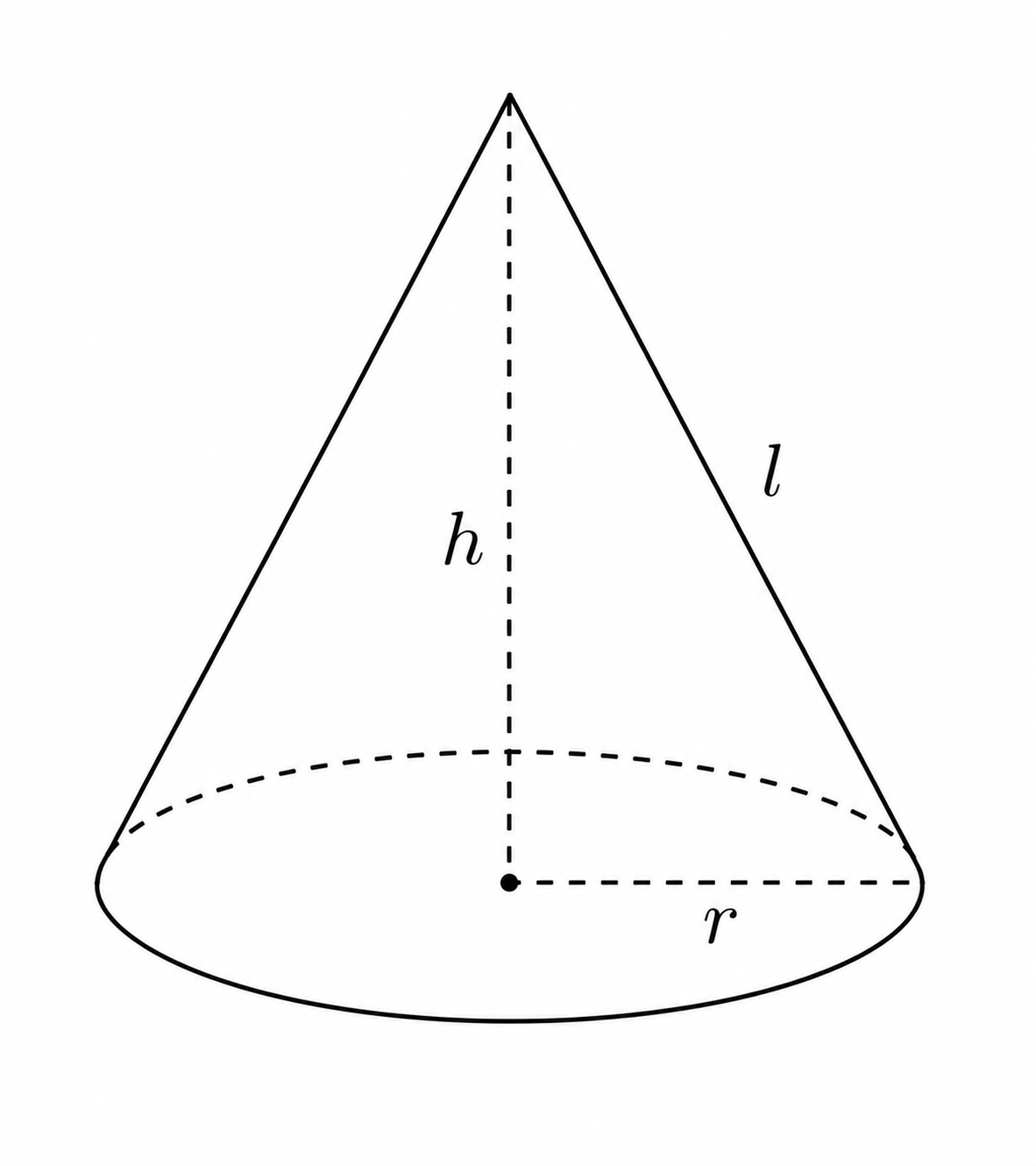
Cone
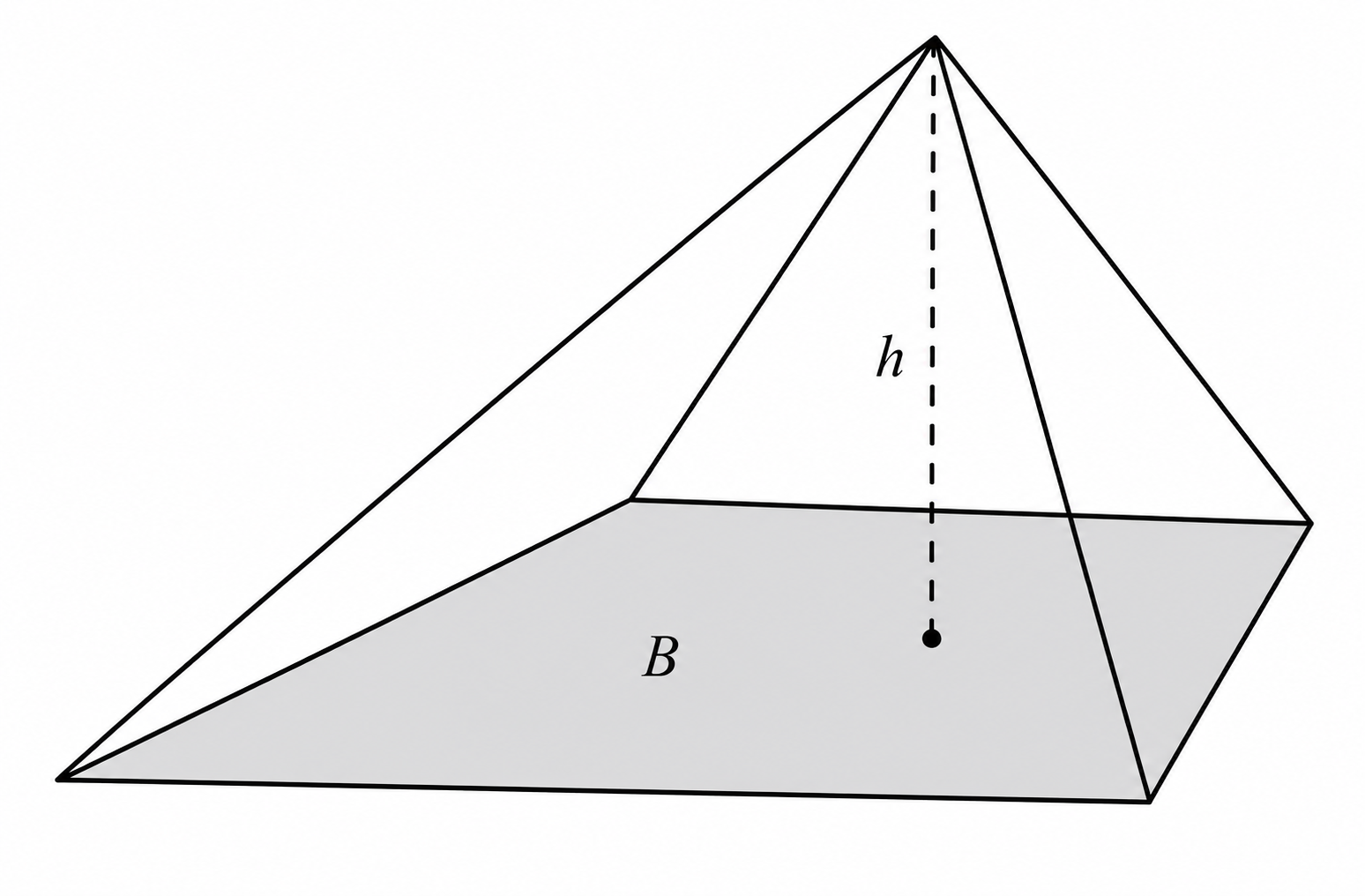
Pyramid
Regular Tetrahedron
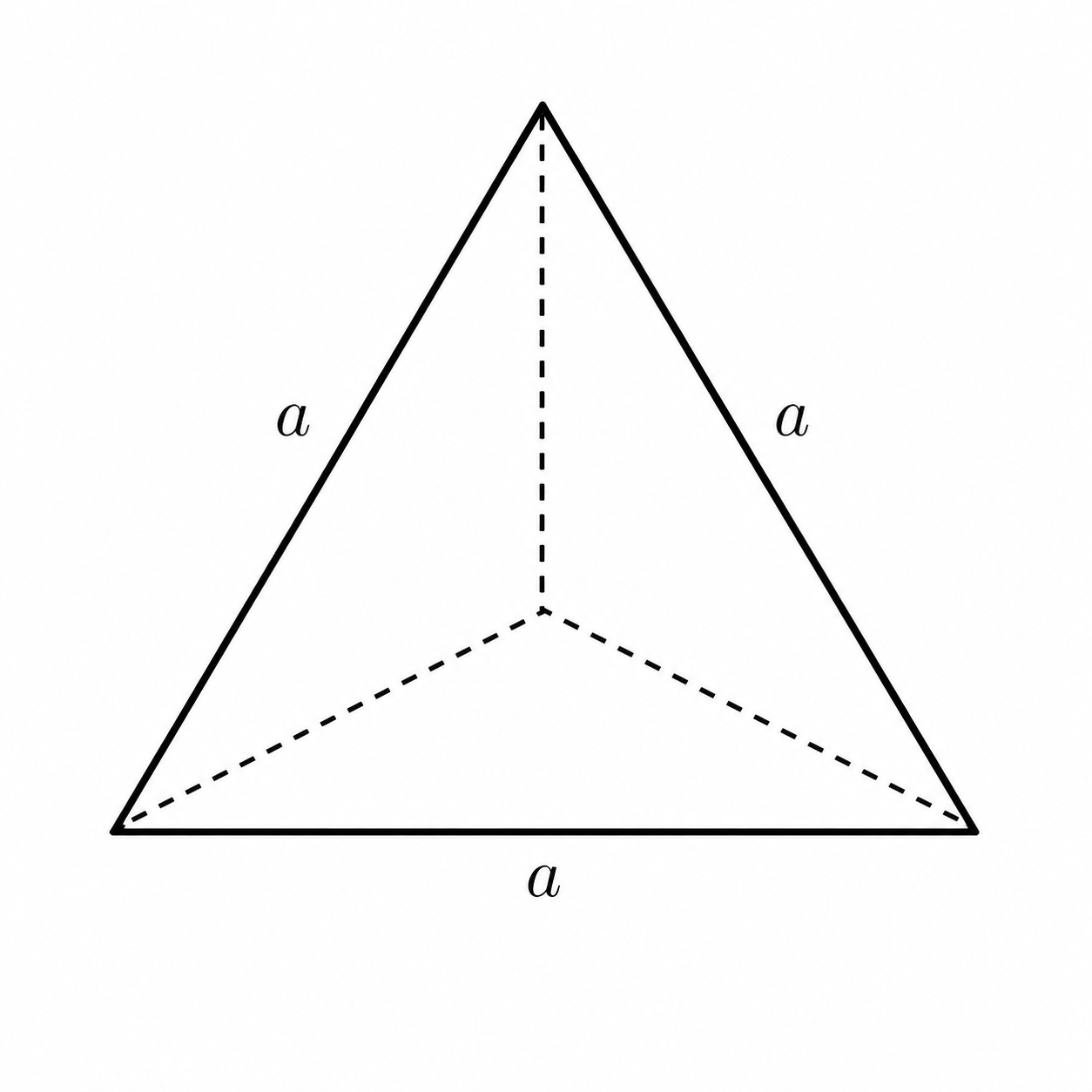
Triangular Prism
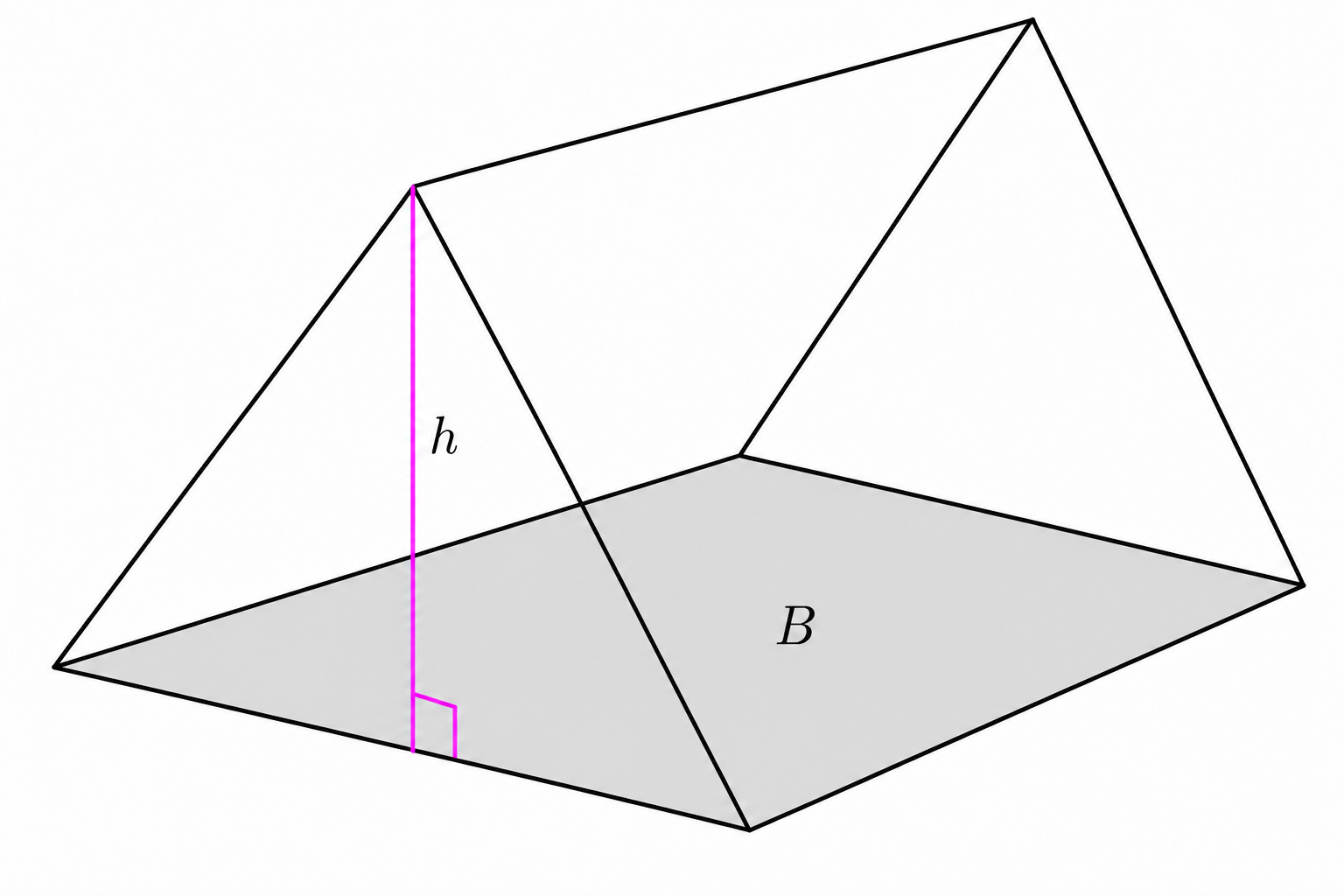
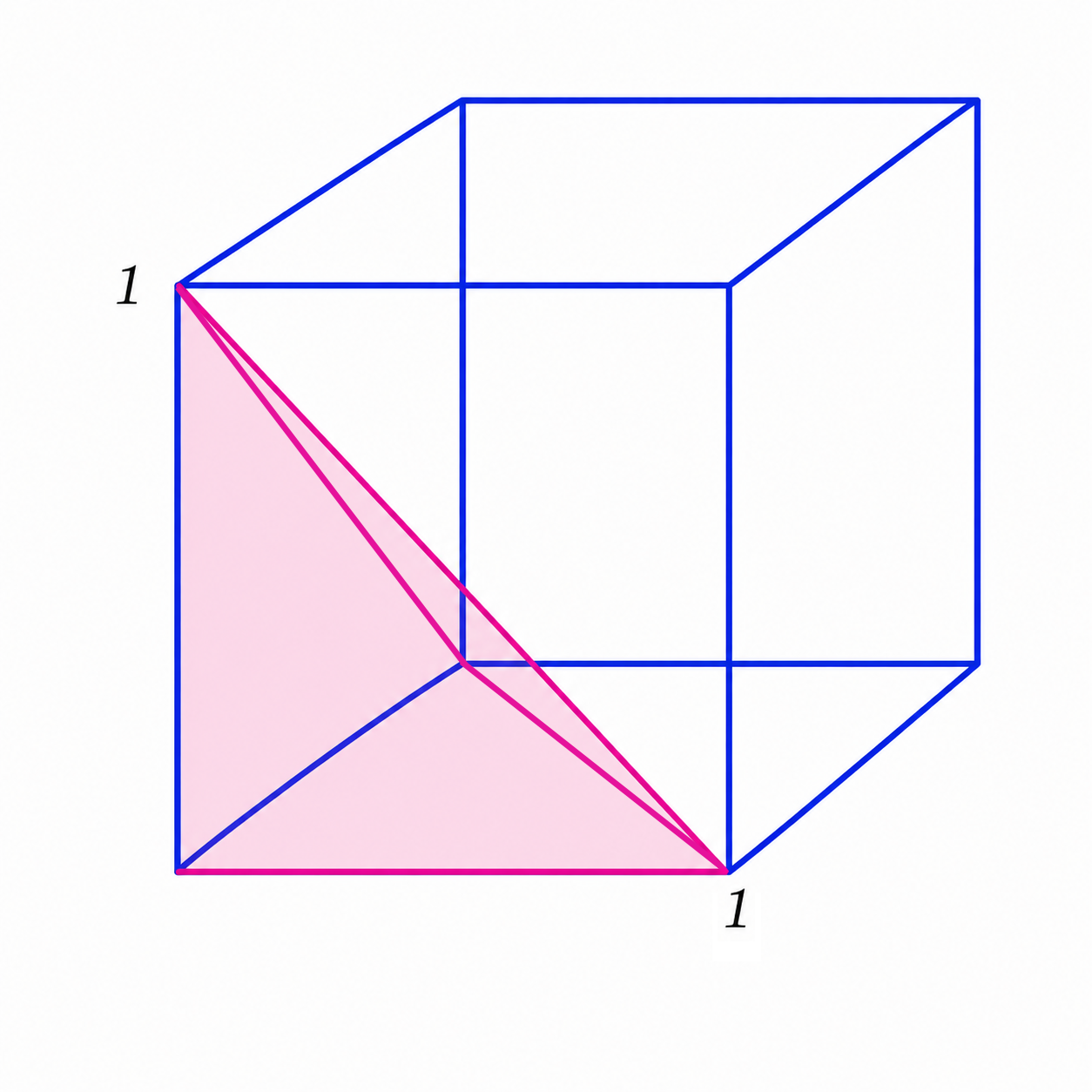
- 80.
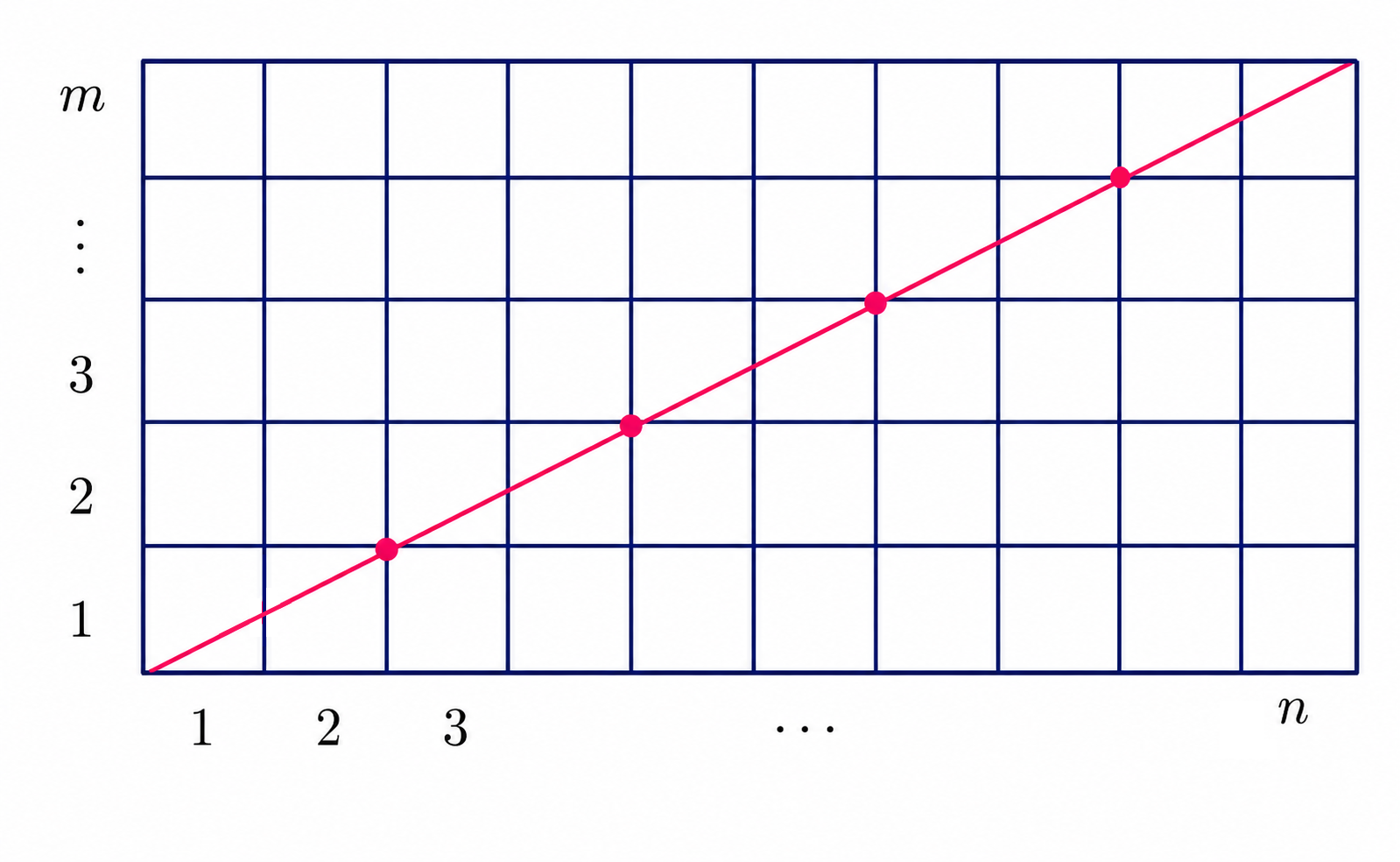
If you draw the diagonal of an grid, then the diagonal is split into parts.
- 81.
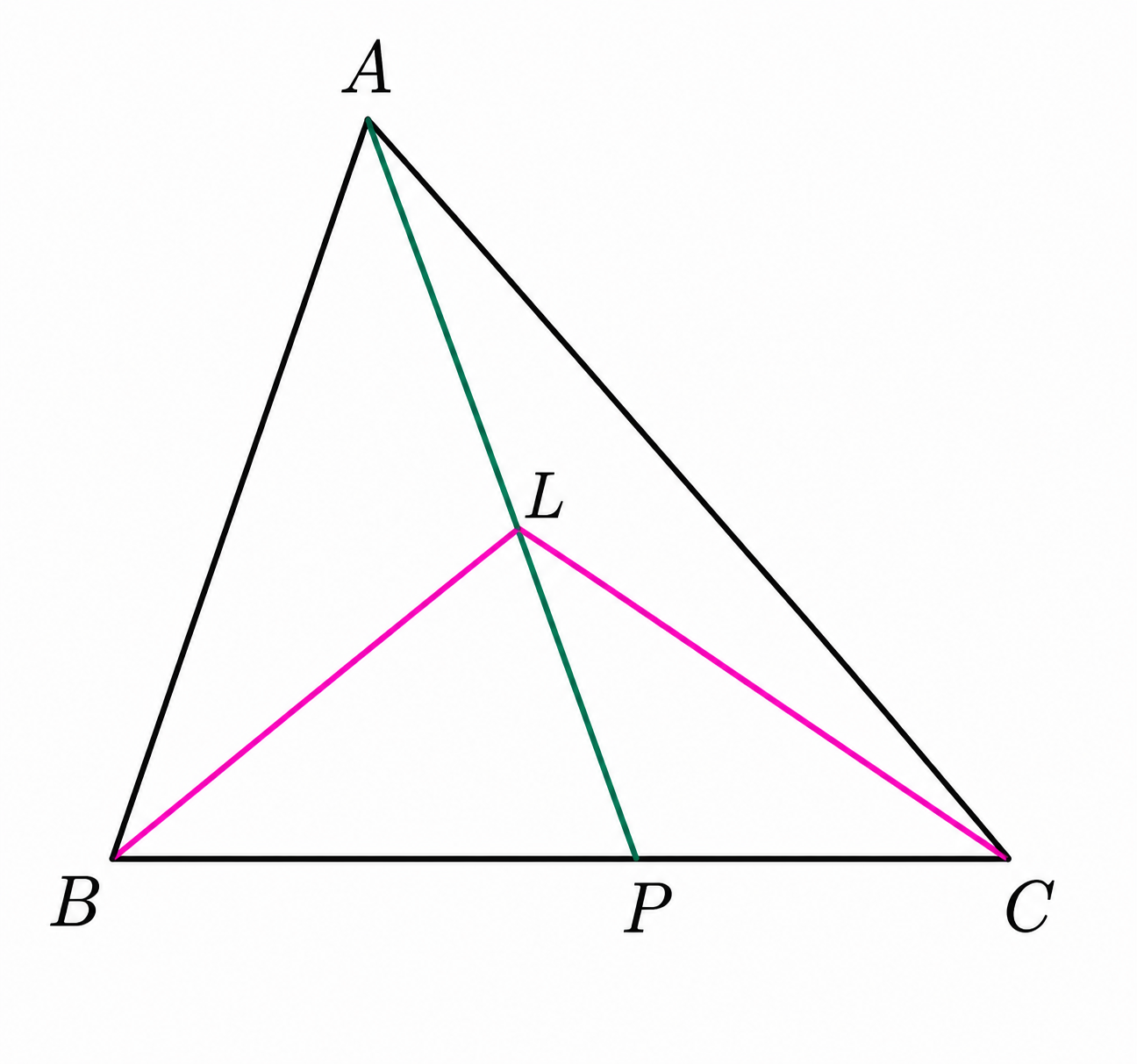
- 82.
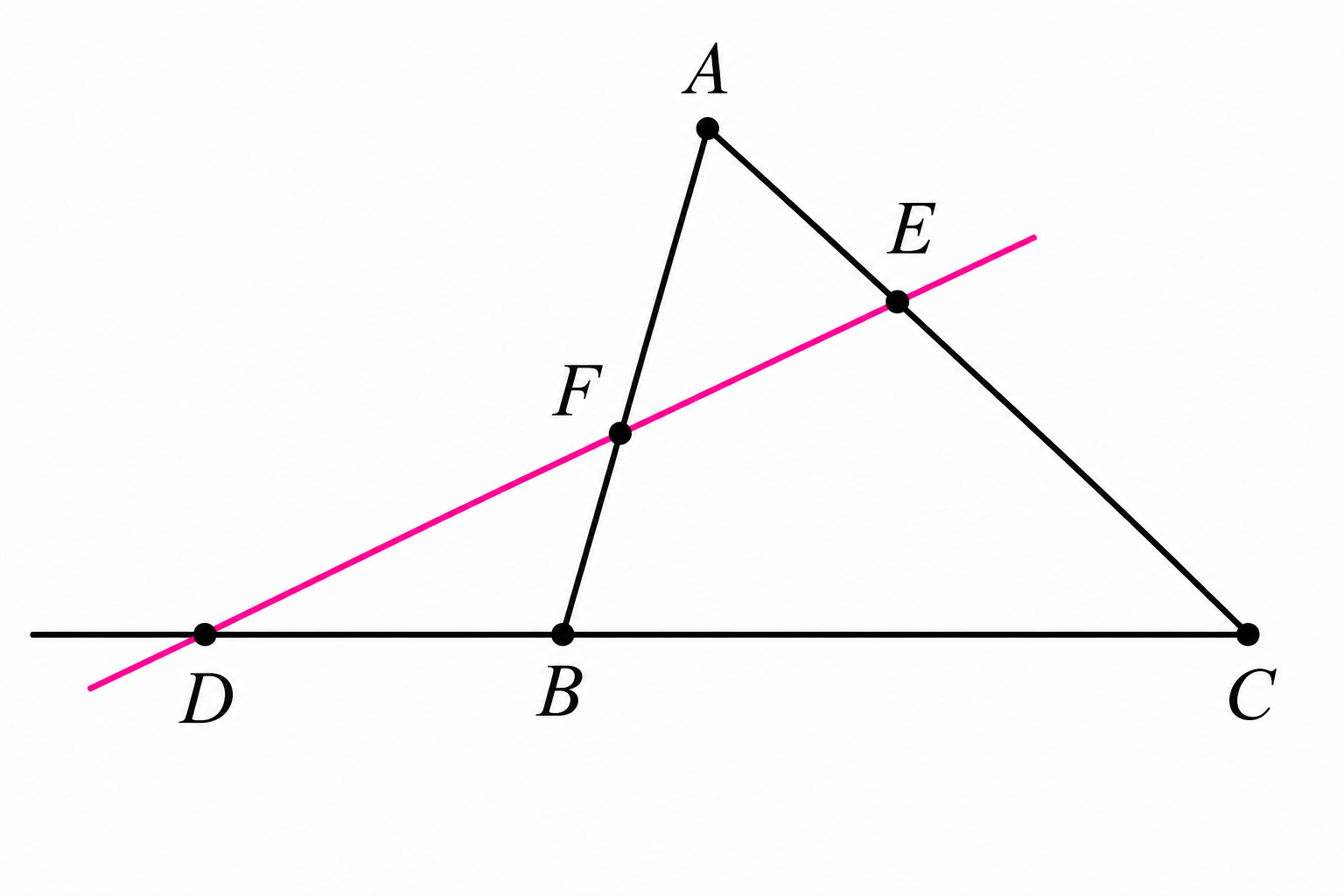
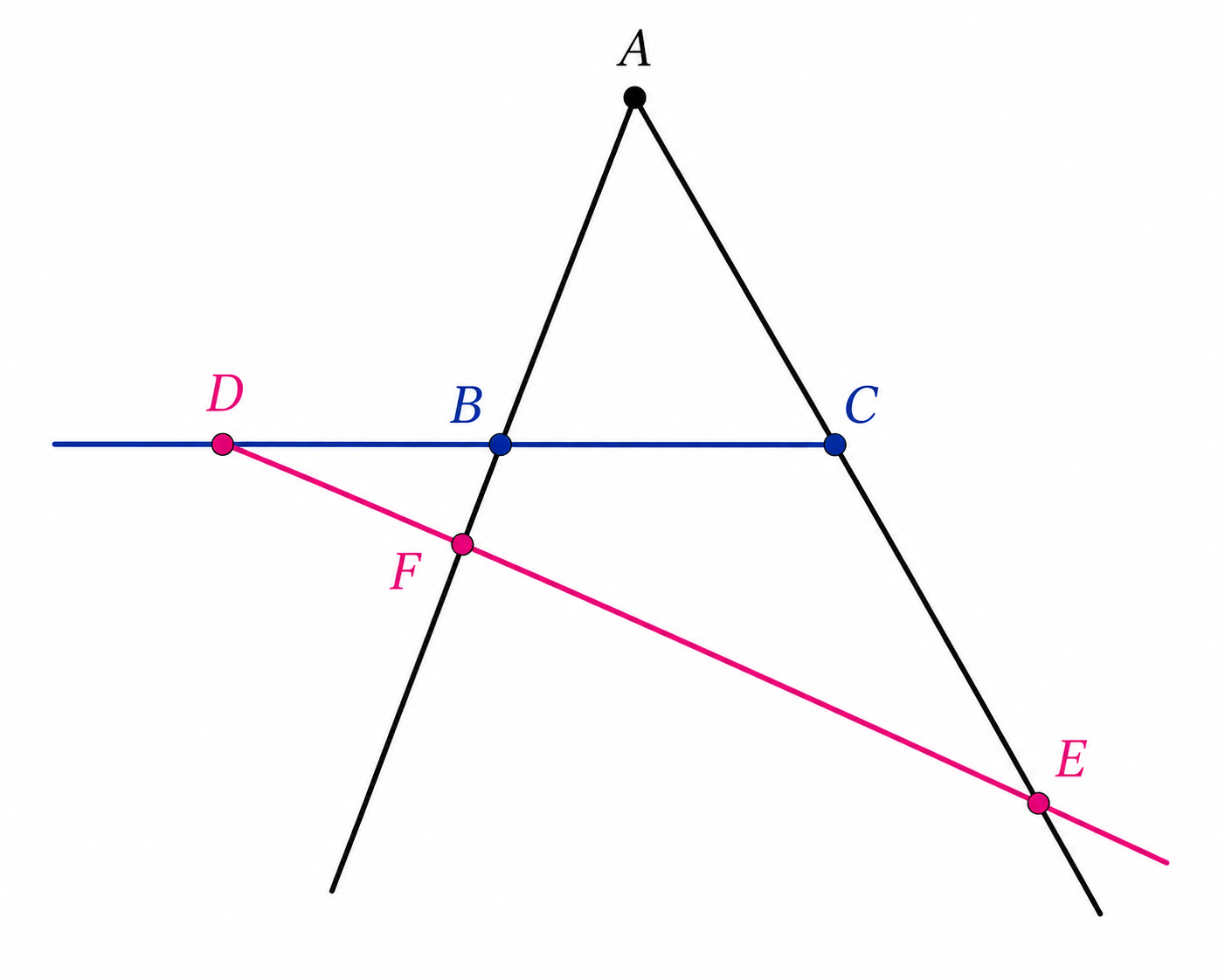
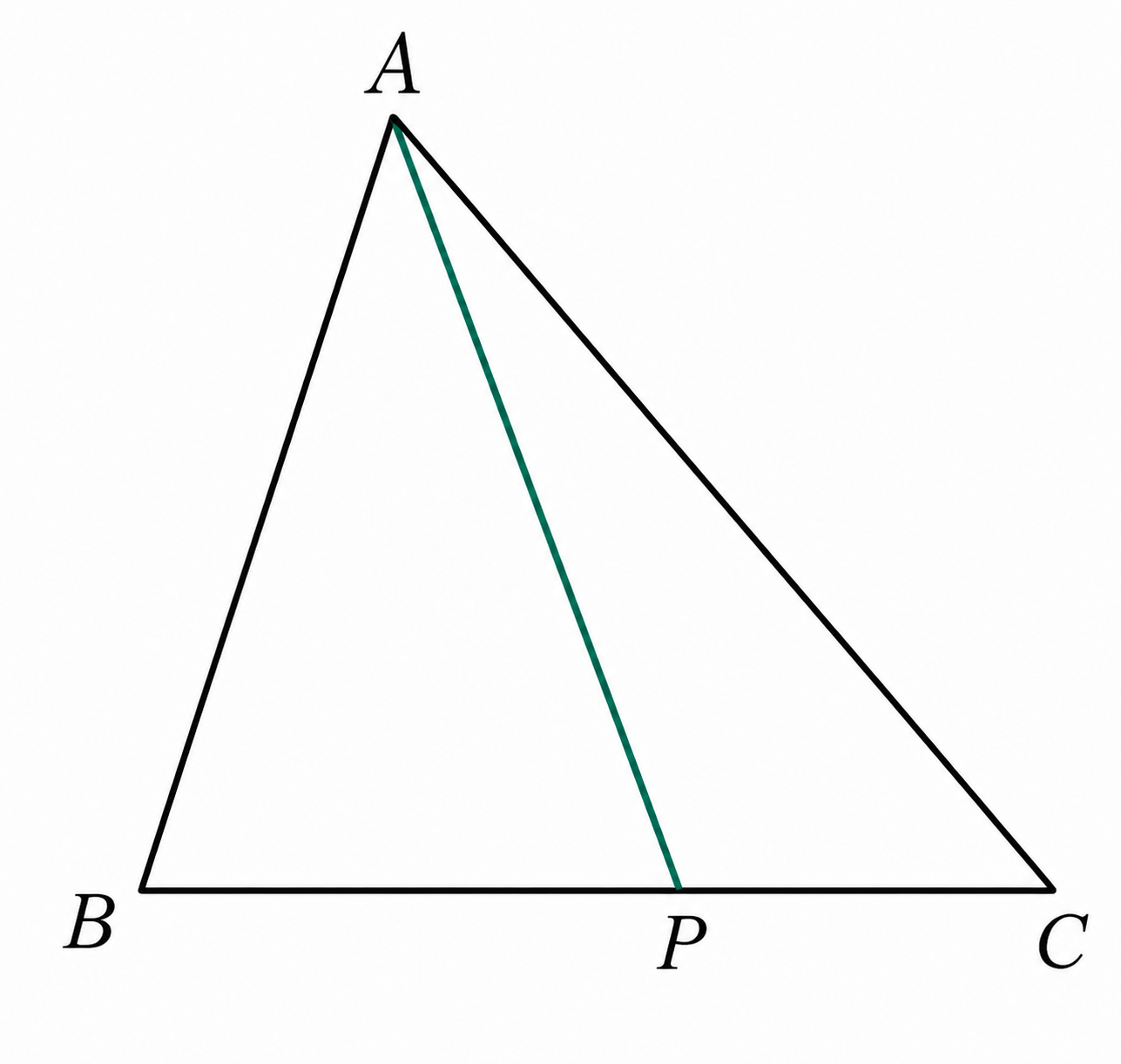
if and only if are collinear.
- 83.
For an -sided polygon,
Regular Hexagon
For a regular hexagon with side length :
a)
b)
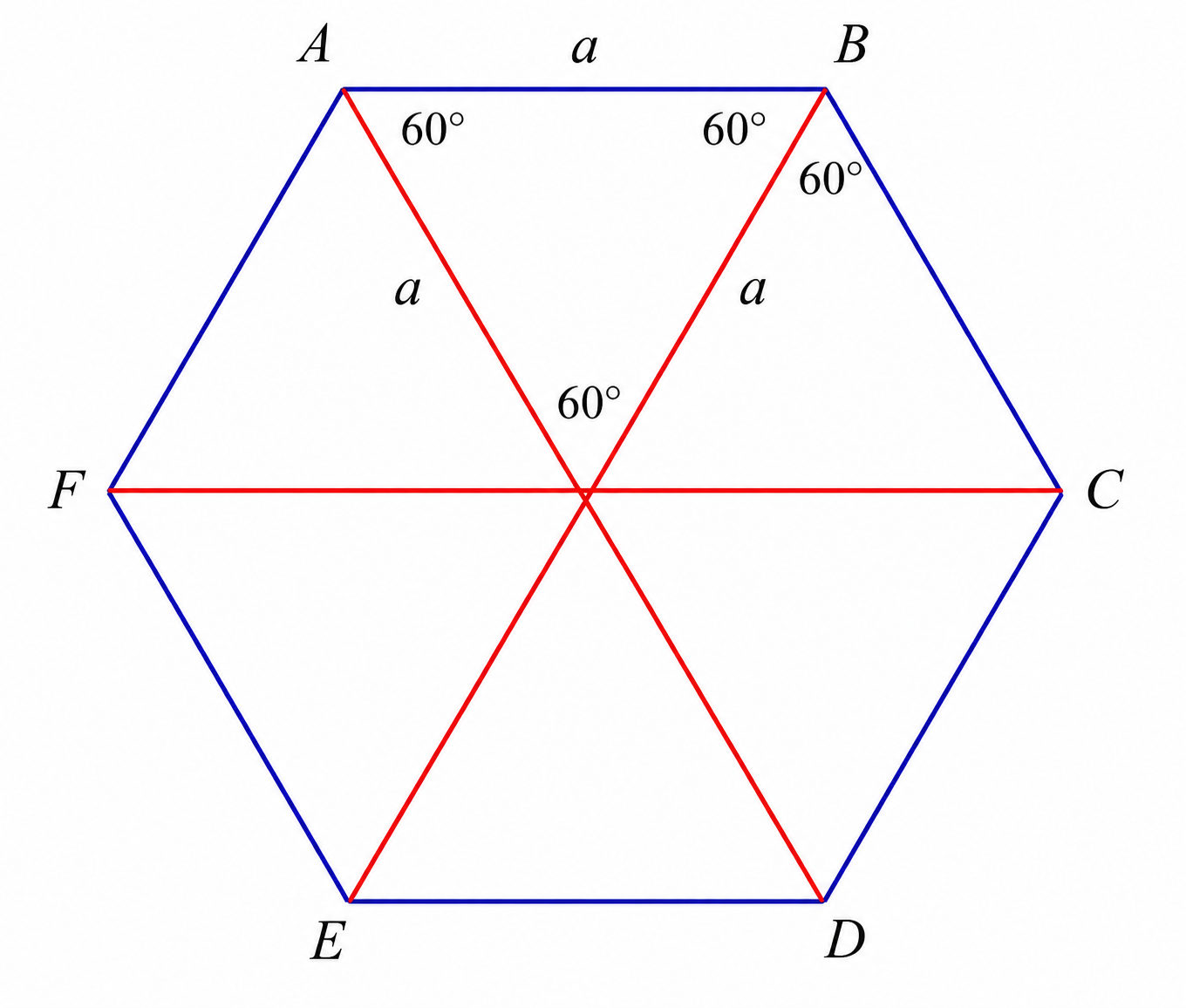
c)
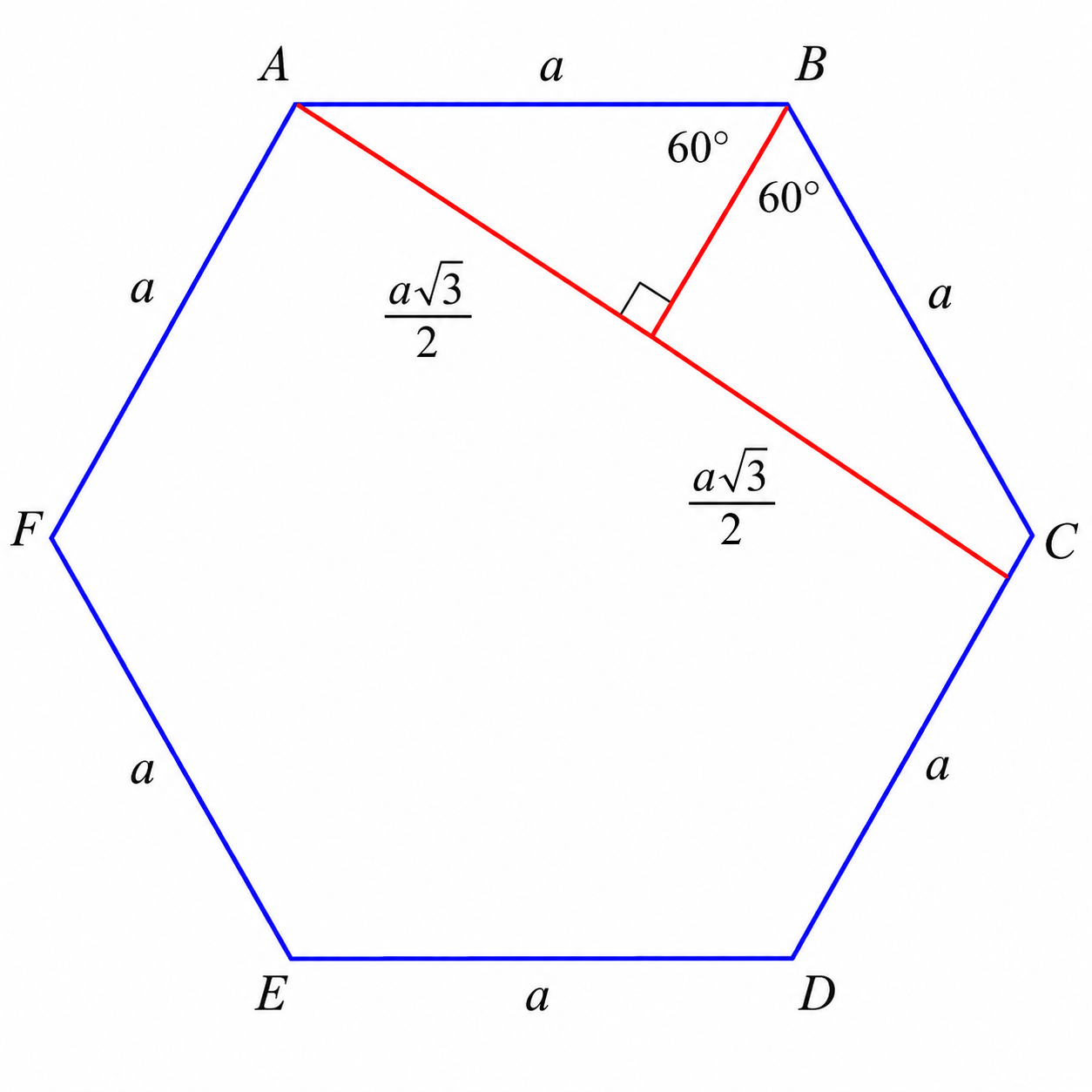
d)
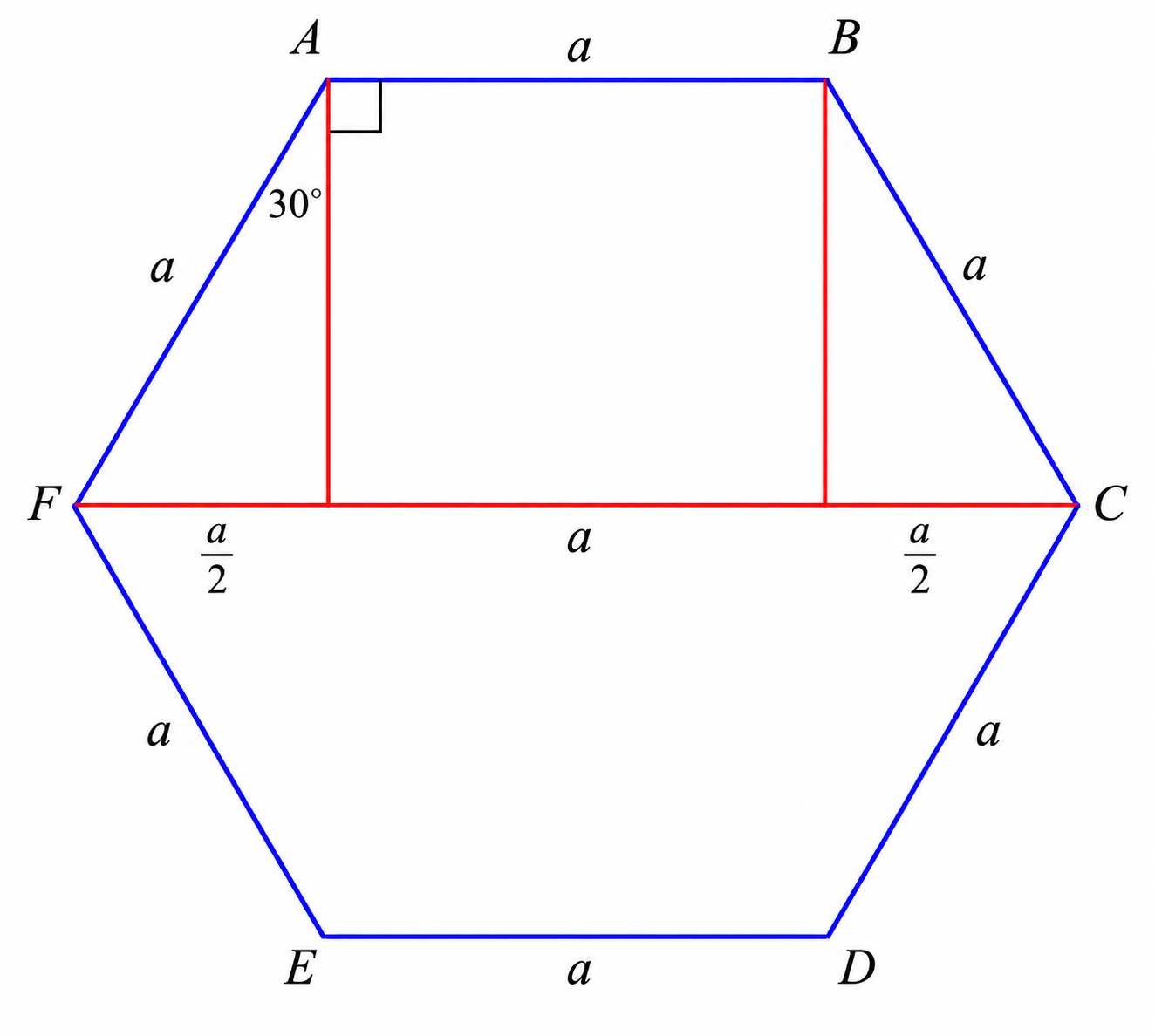
Regular Octagon
For a regular octagon with side length :
a)
b)
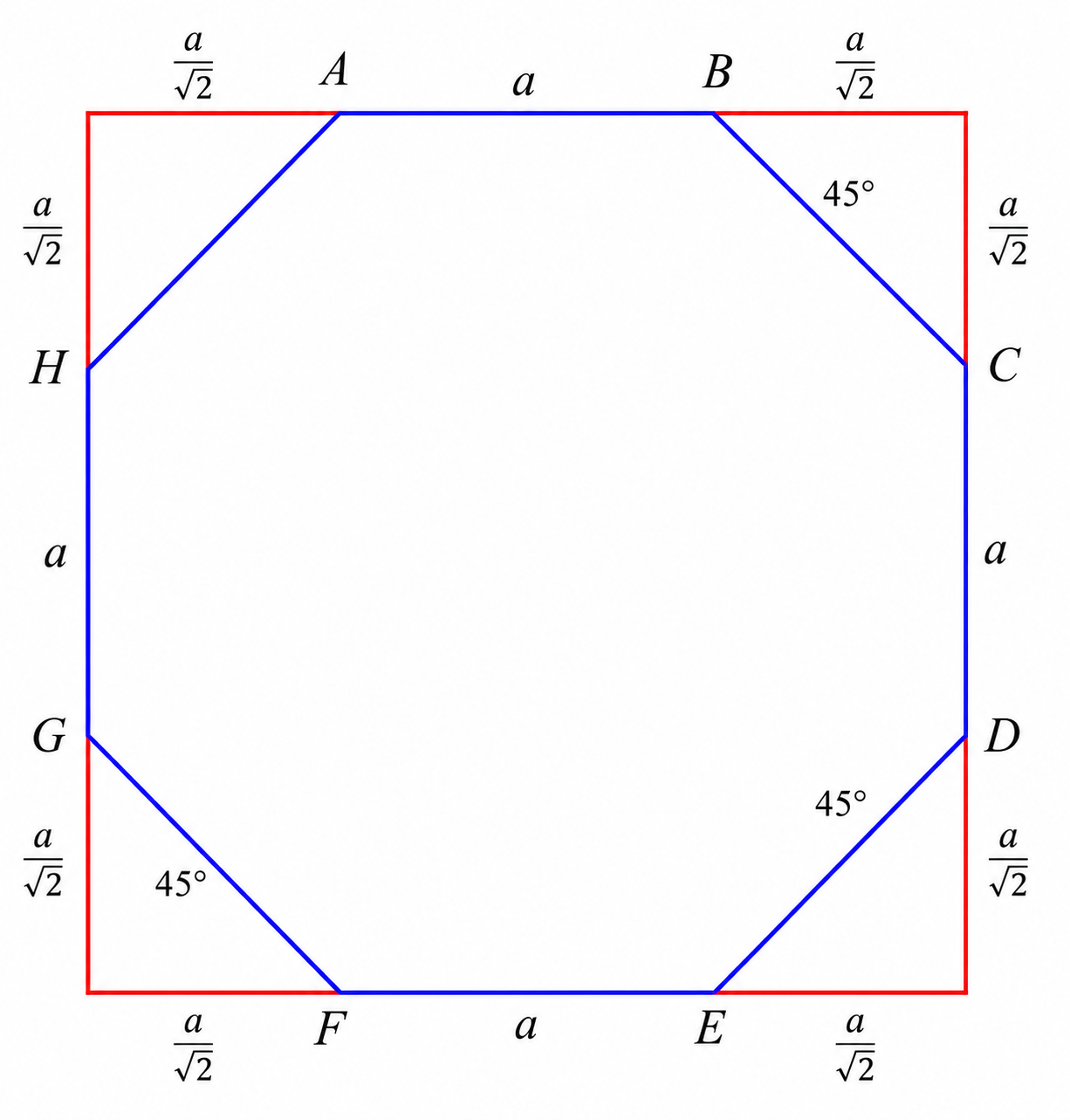
c)
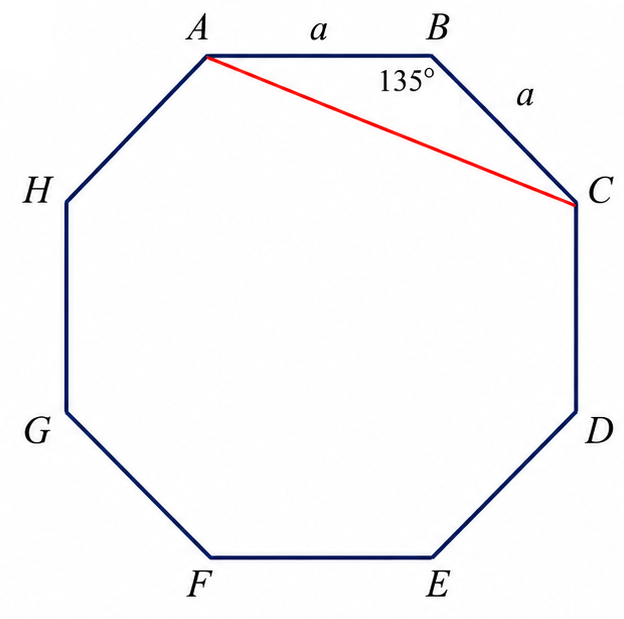
d)
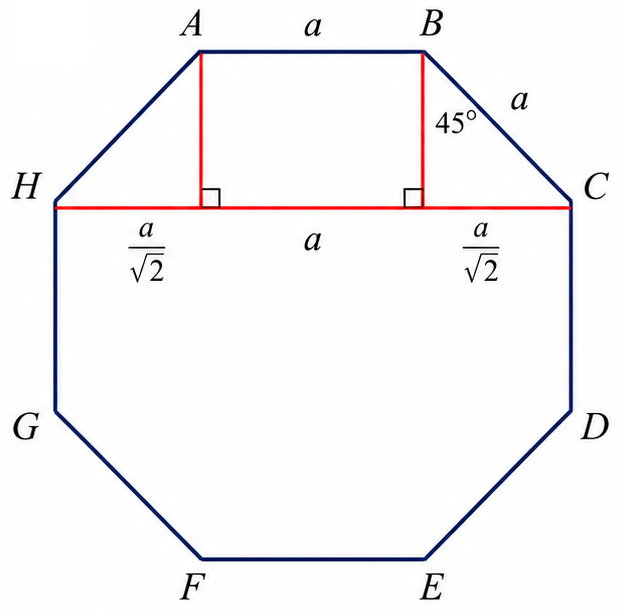
e)
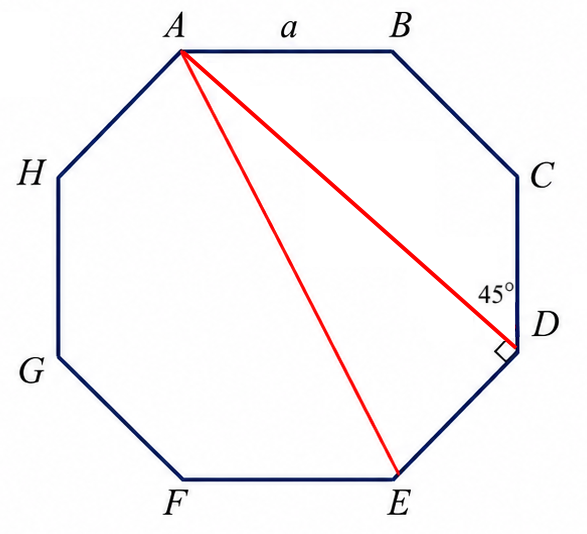
- 84.
- 85.
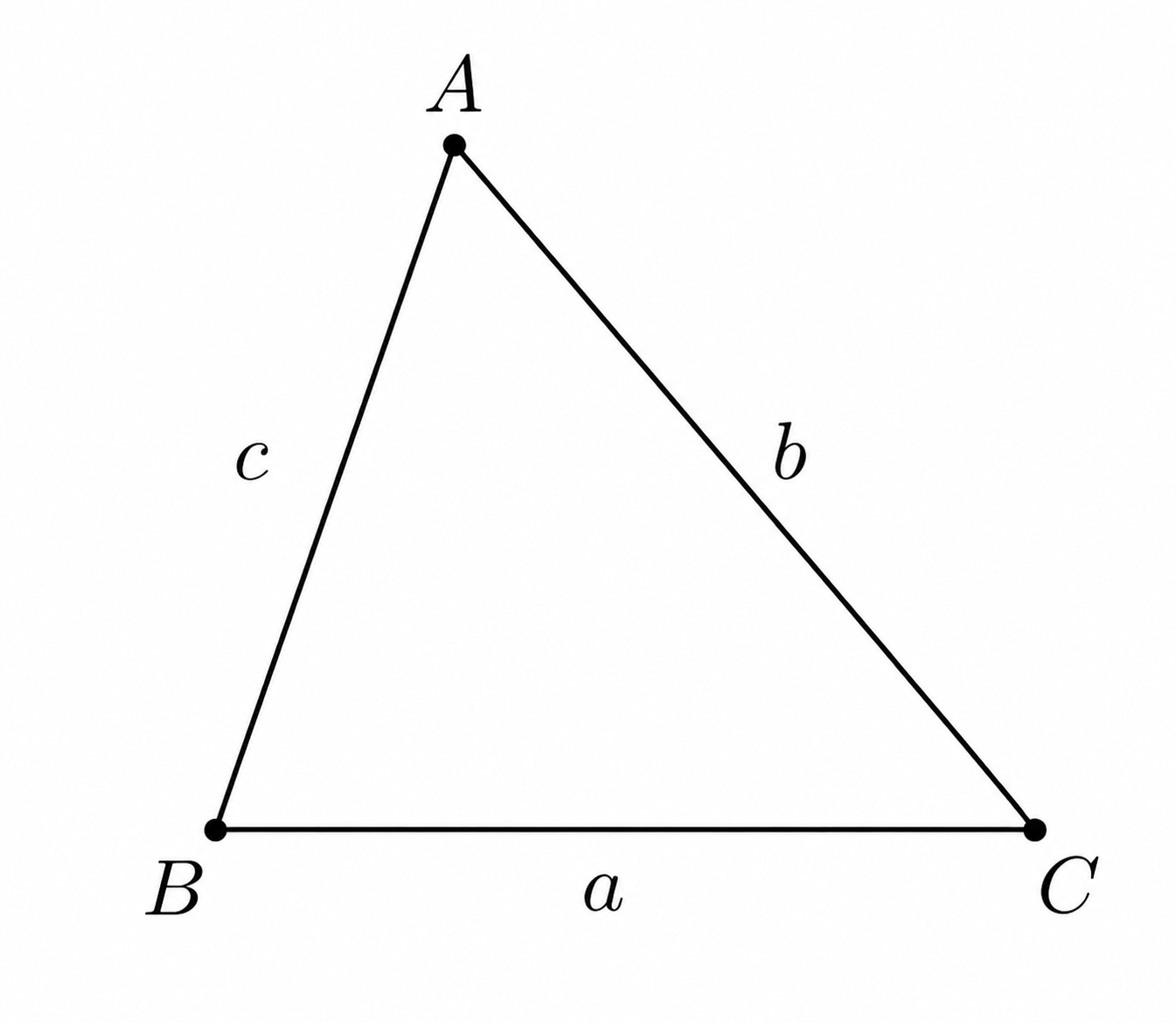
- 86.
Mean
Median, Mode, and Range
Median: the middle value after sorting
Mode: the value that occurs most frequently
Effect of Transforming Every Value
Operation Mean Median Mode Range Same Same - 88.
- 89.
- 90.
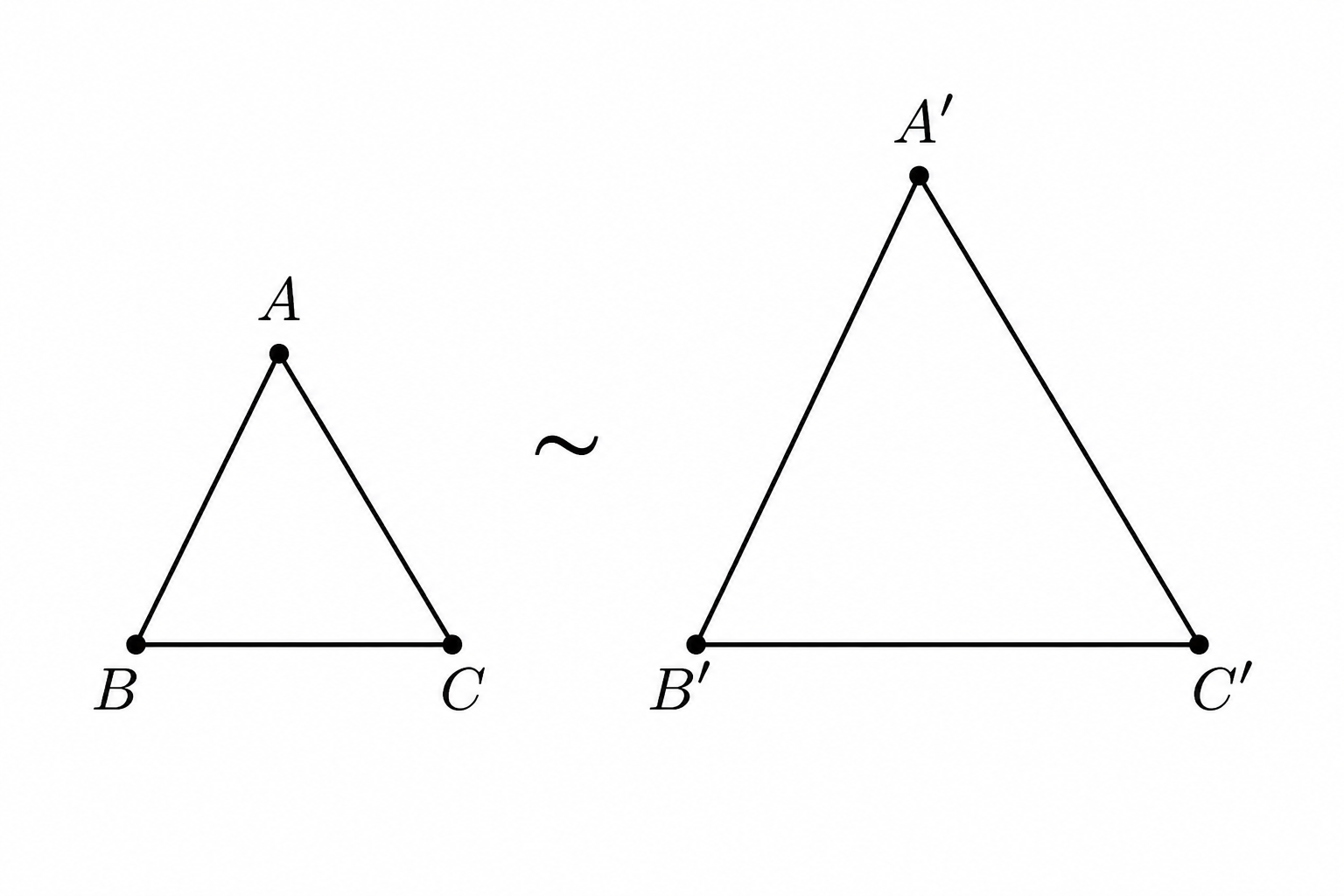
- 91.
- 92.
Slope, Line Equation, and Distance
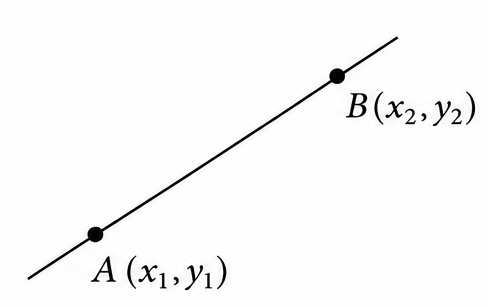
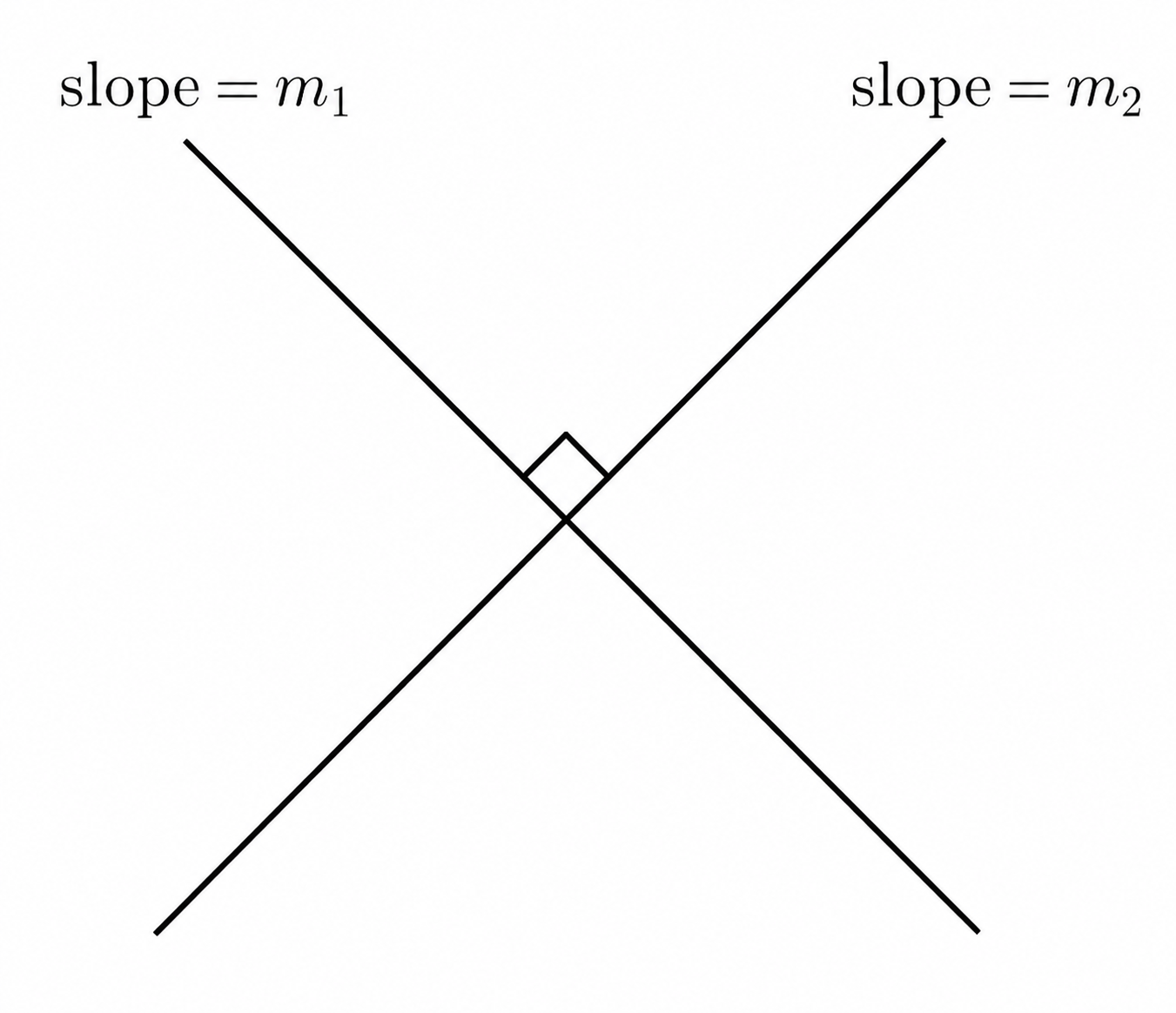
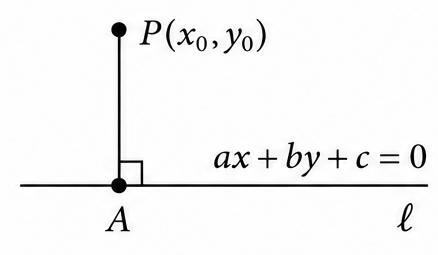
Distance from a Point to a Line
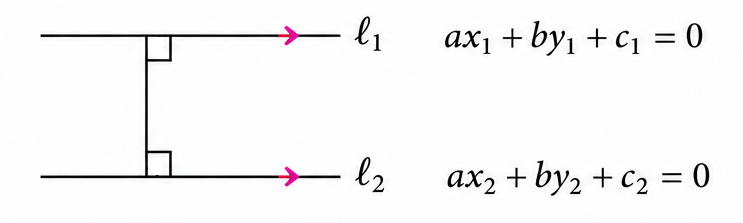
Distance Between Two Parallel Lines
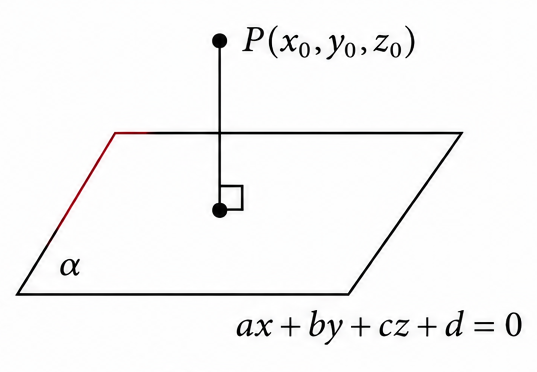
Distance from a Point to a Plane
- 93.
- 94.
- 95.
- 96.
- 97.
- 98.
- 99.
- 100.
- 101.
- 102.
- 103.
- 104.
- 105.
- 106.
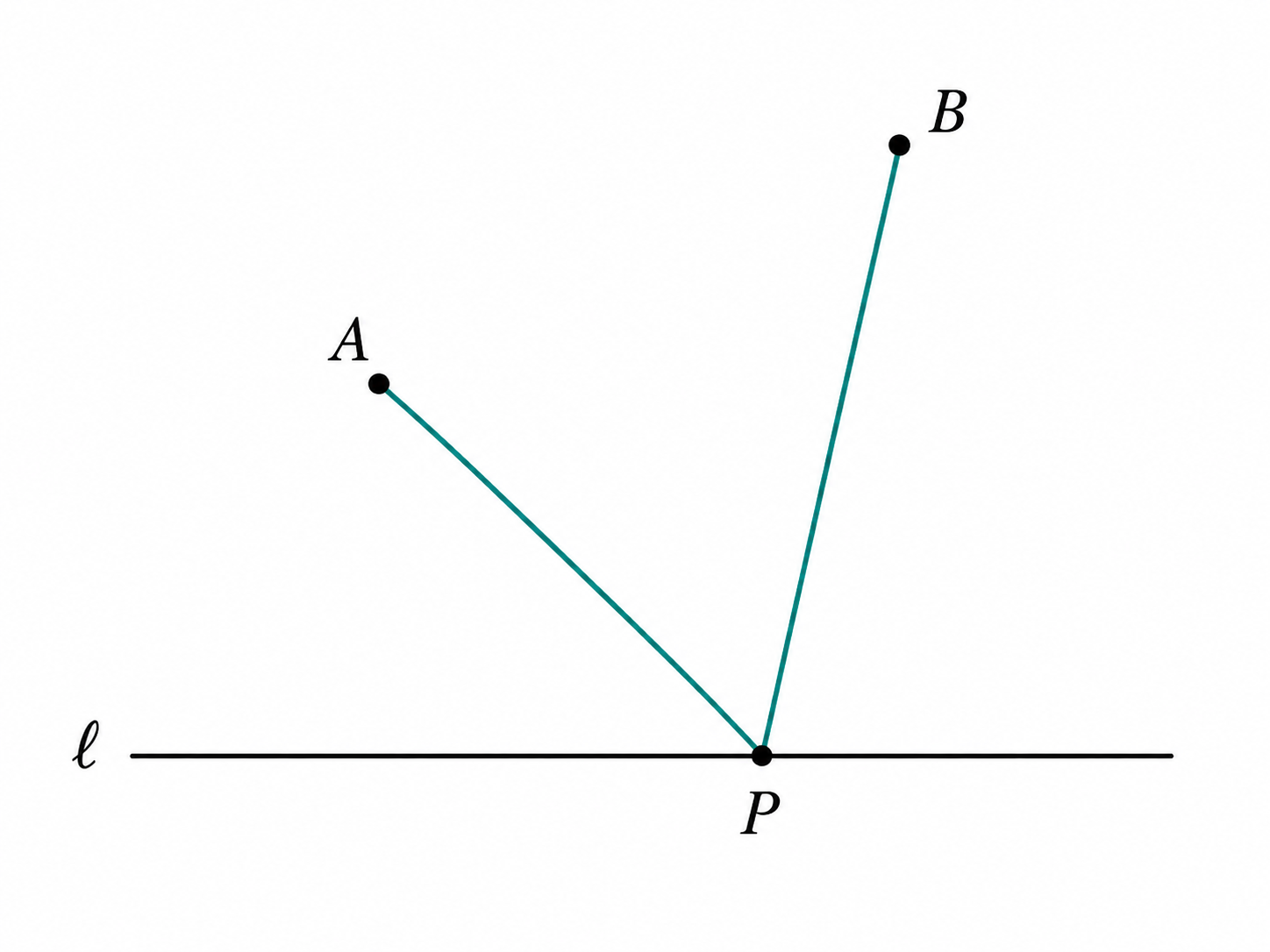
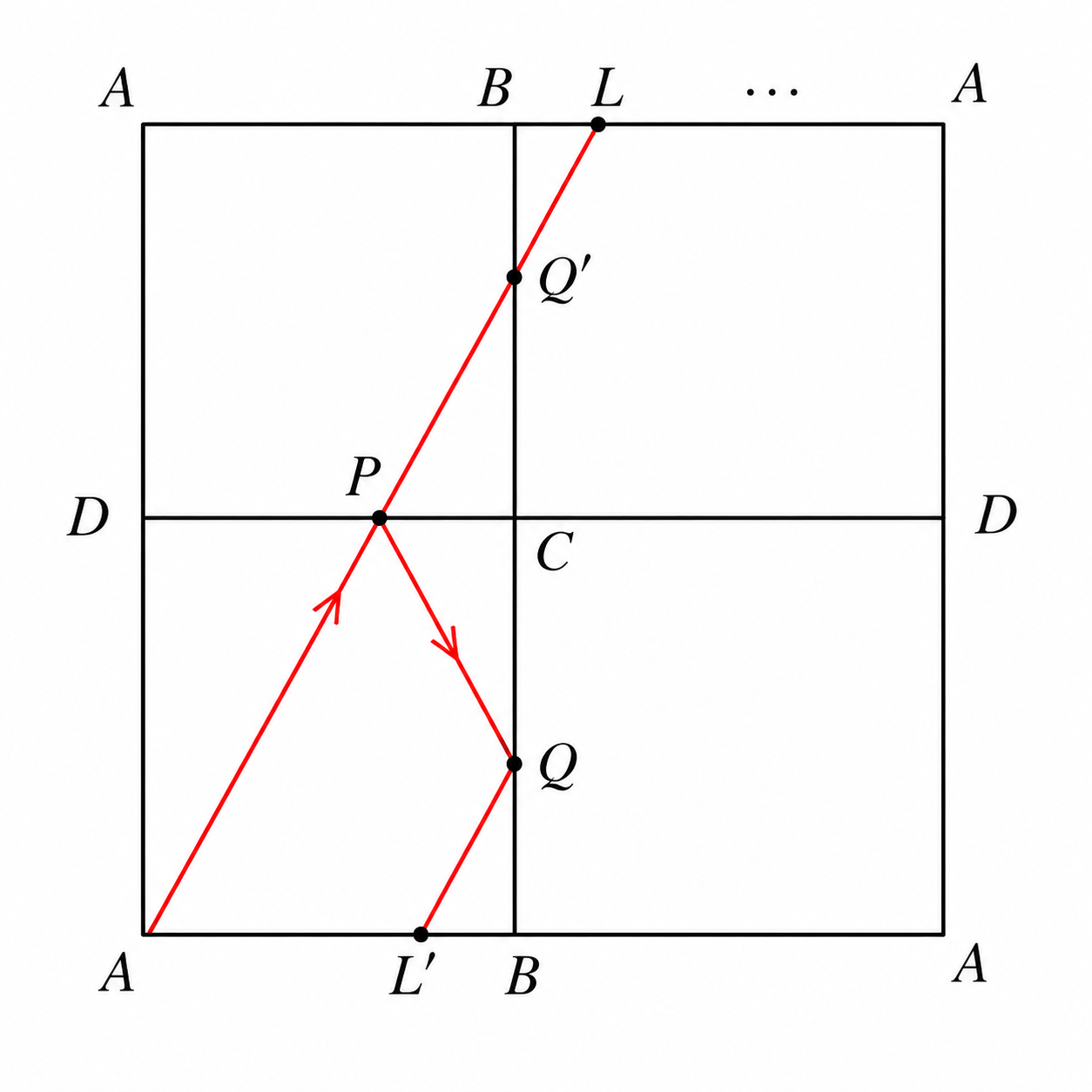
Find min{PA+PB}.
- 107.
- 108.
Reduce the coefficient of x to solve.
- 109.
Combine congruences by listing values or substituting one congruence into the other.
- 110.
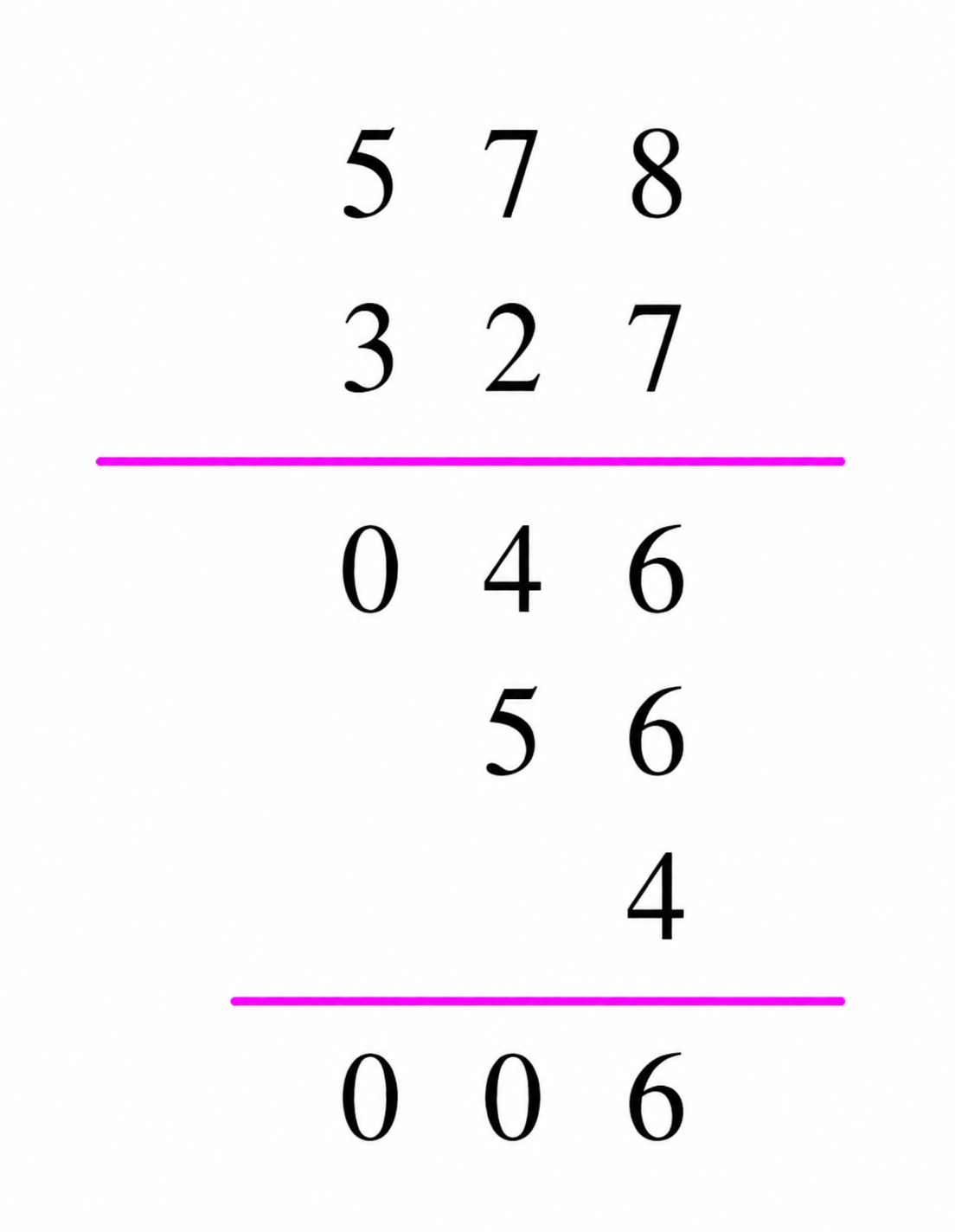
Find the last 3 digits of 23578 × 16327
- 111.
- 112.
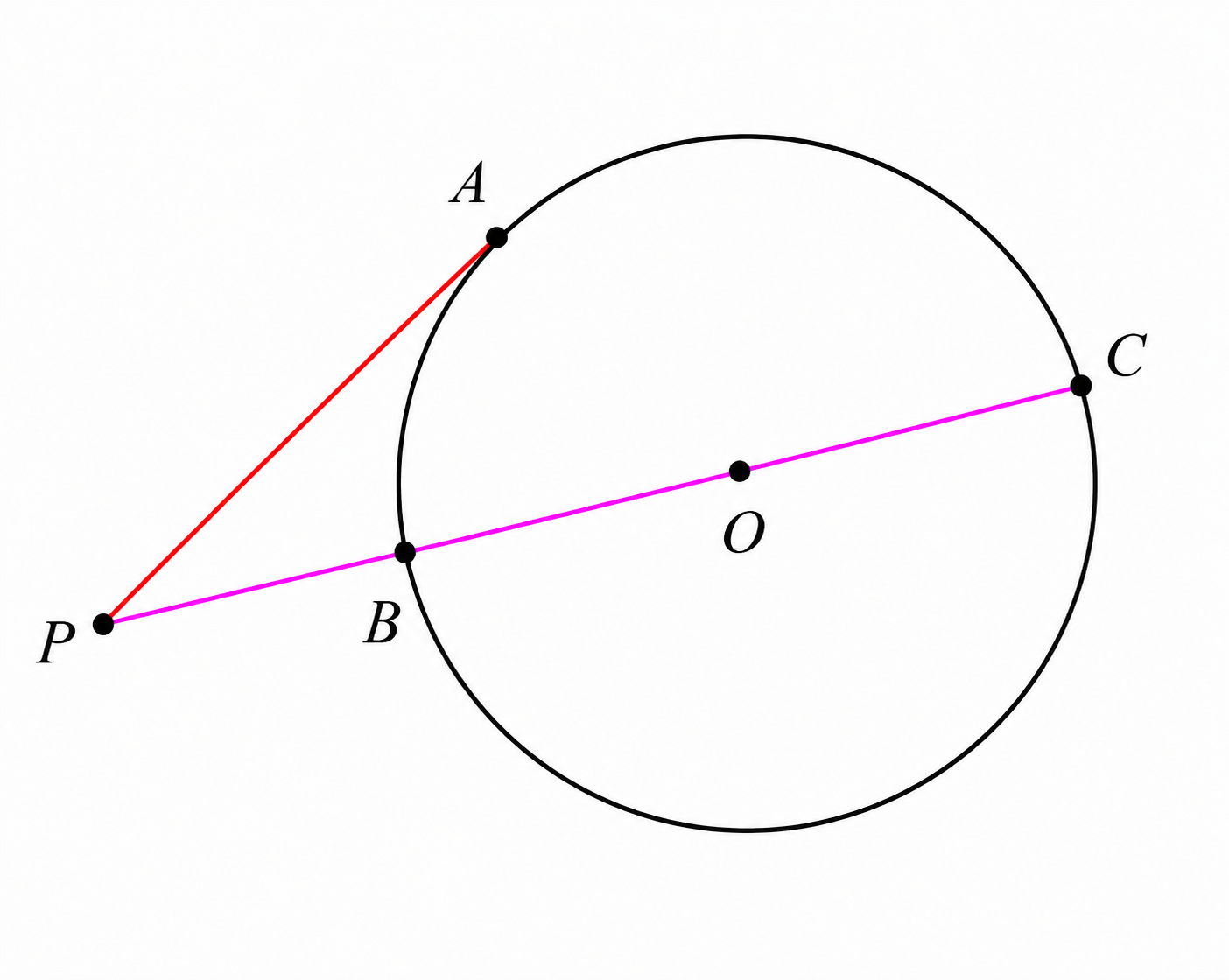
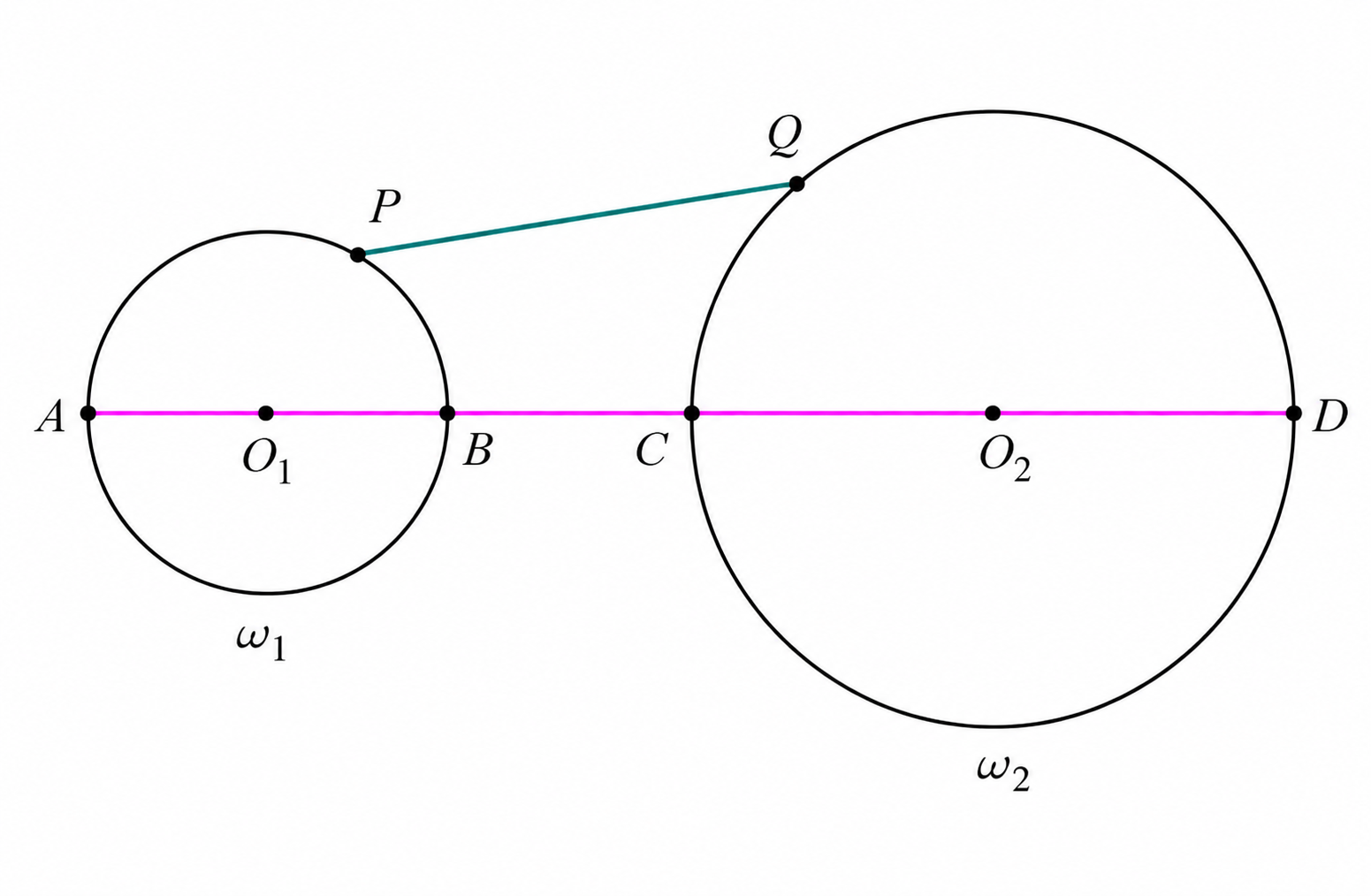
- 113.
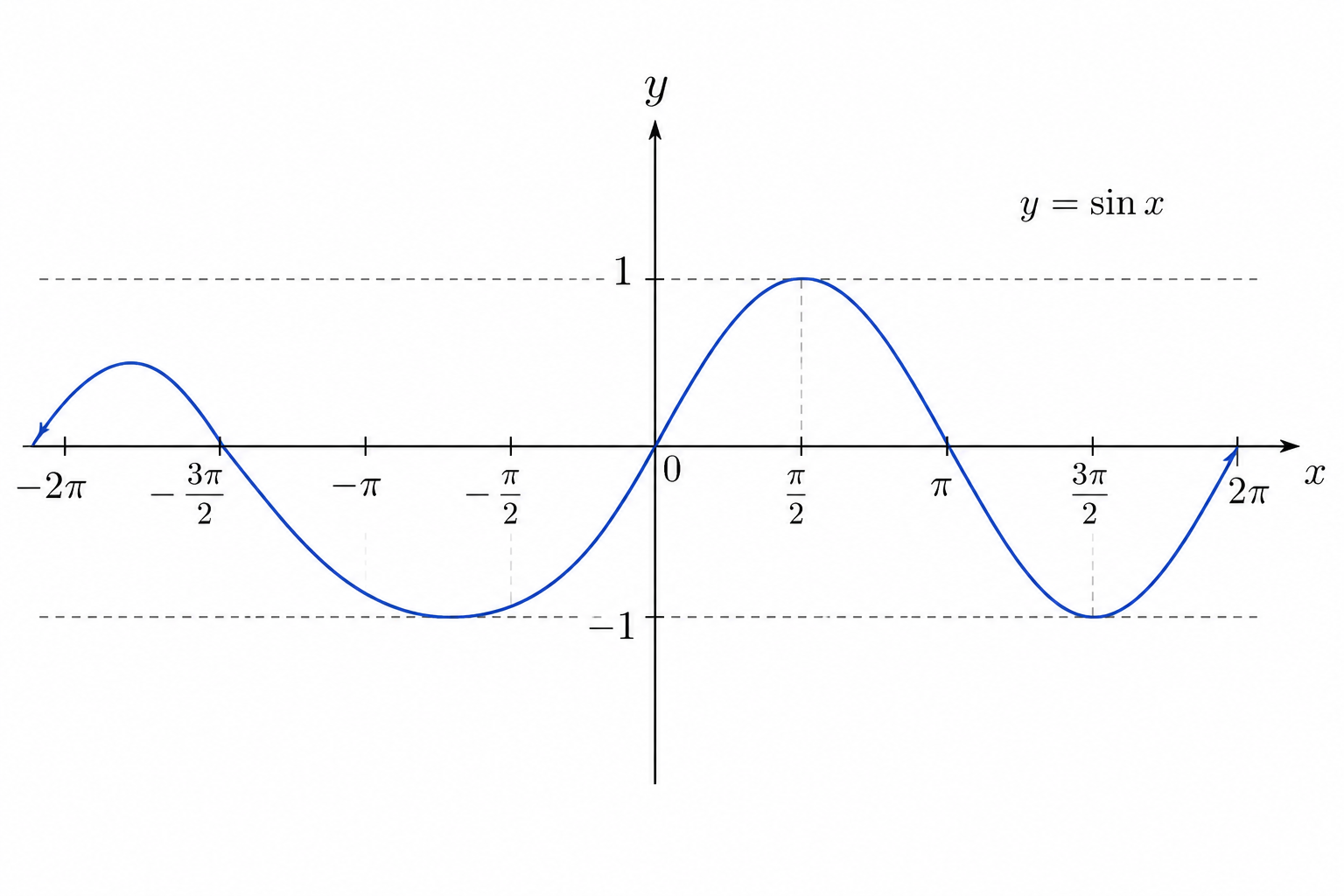
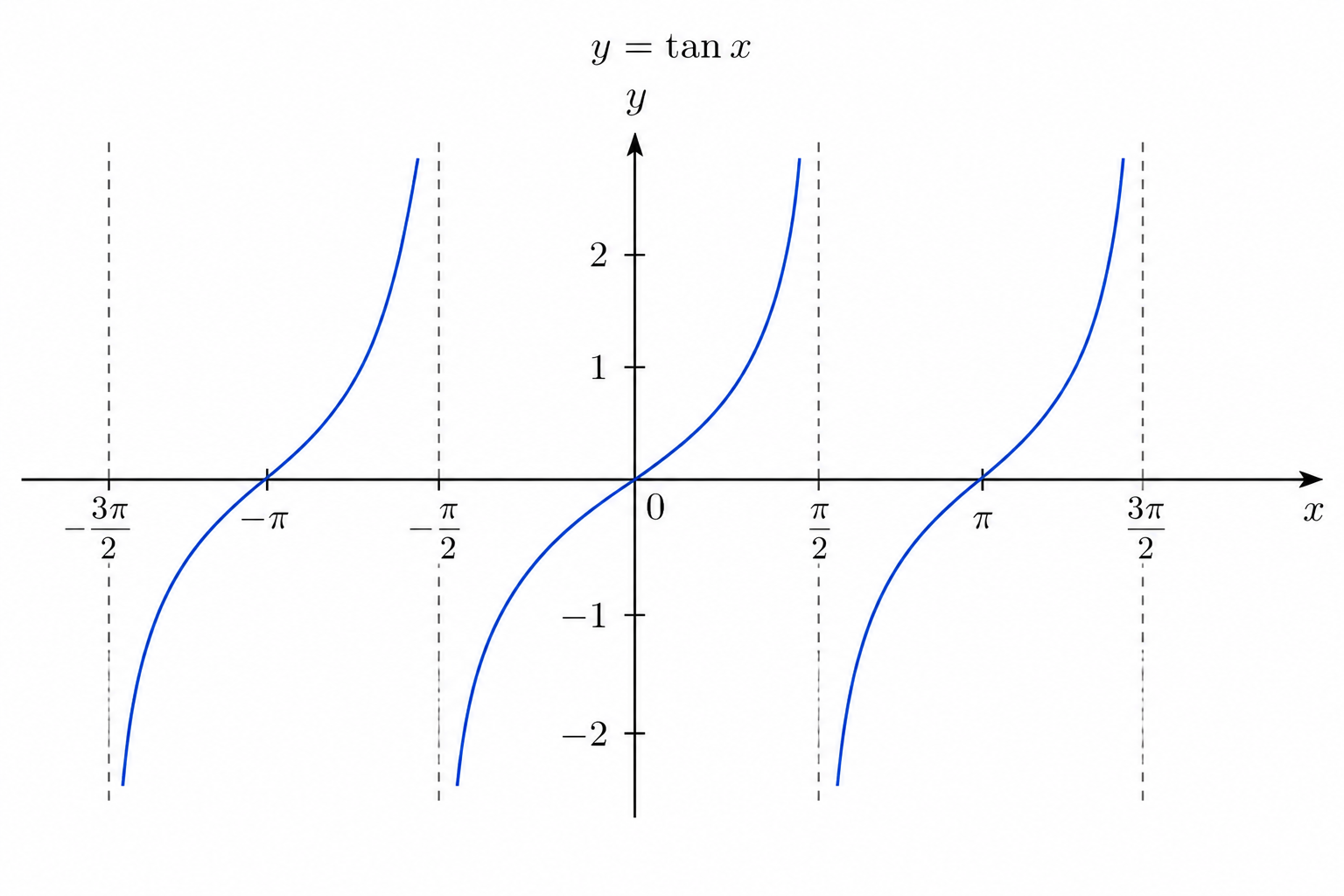
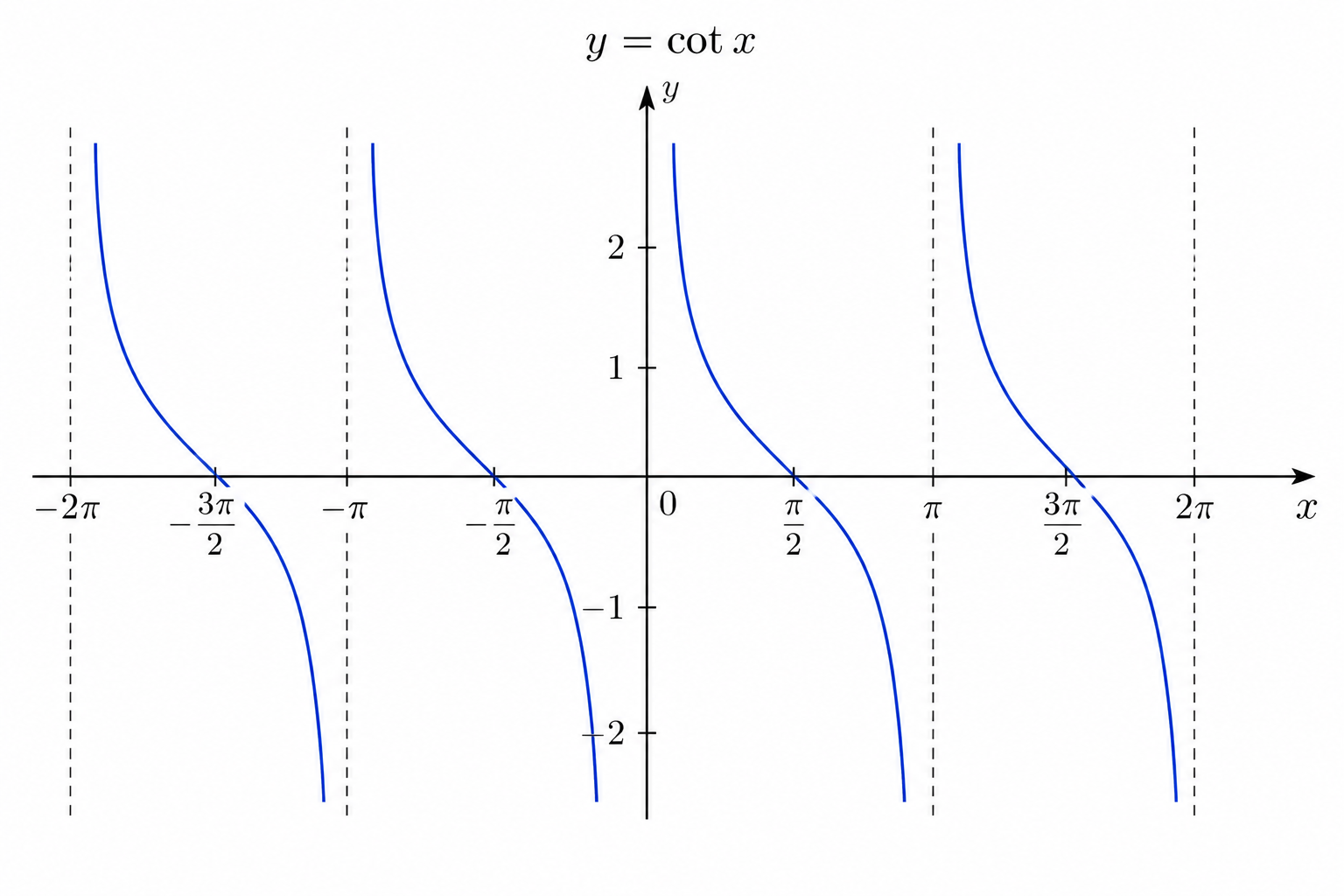
- 114.
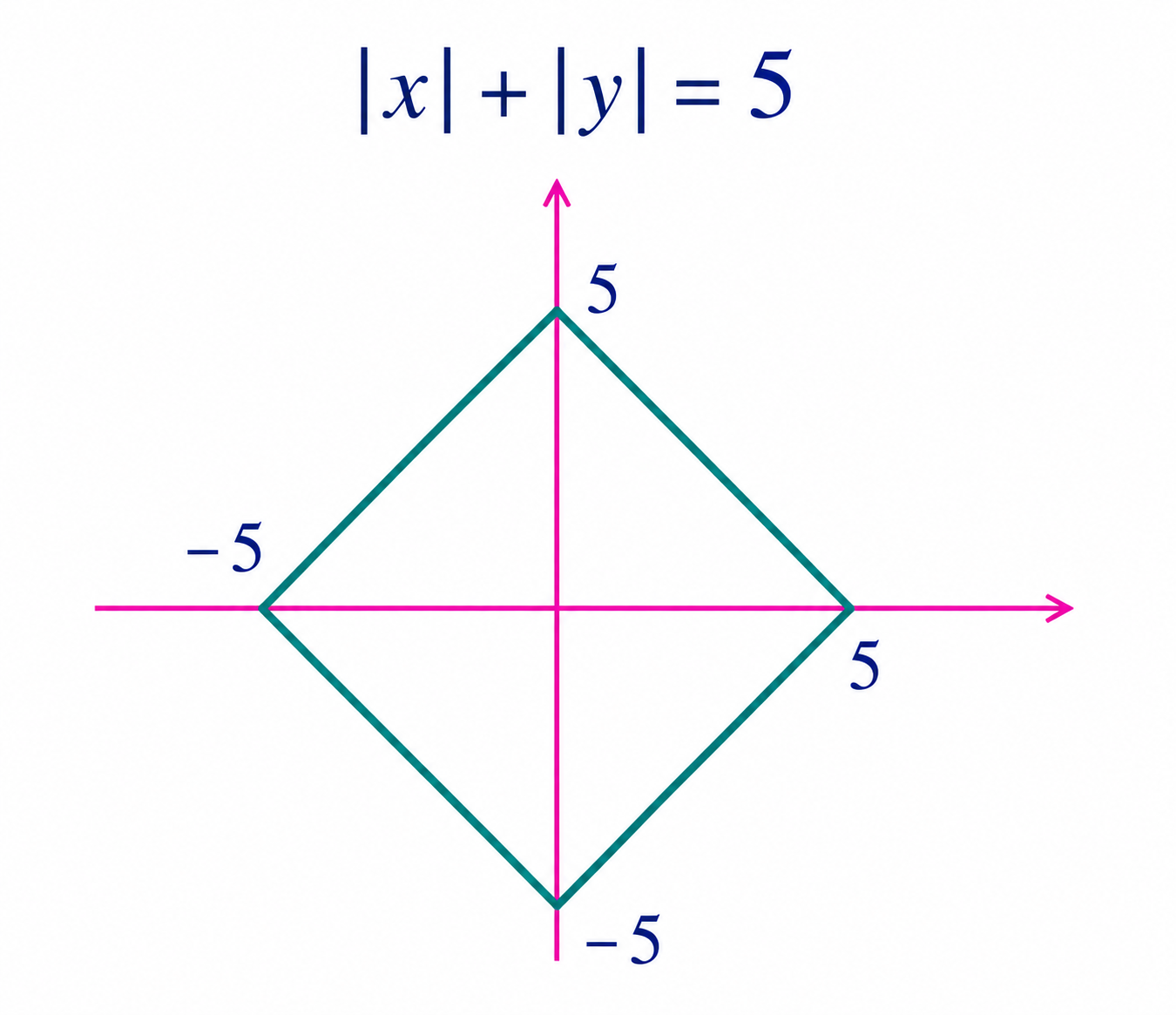
Graph of :
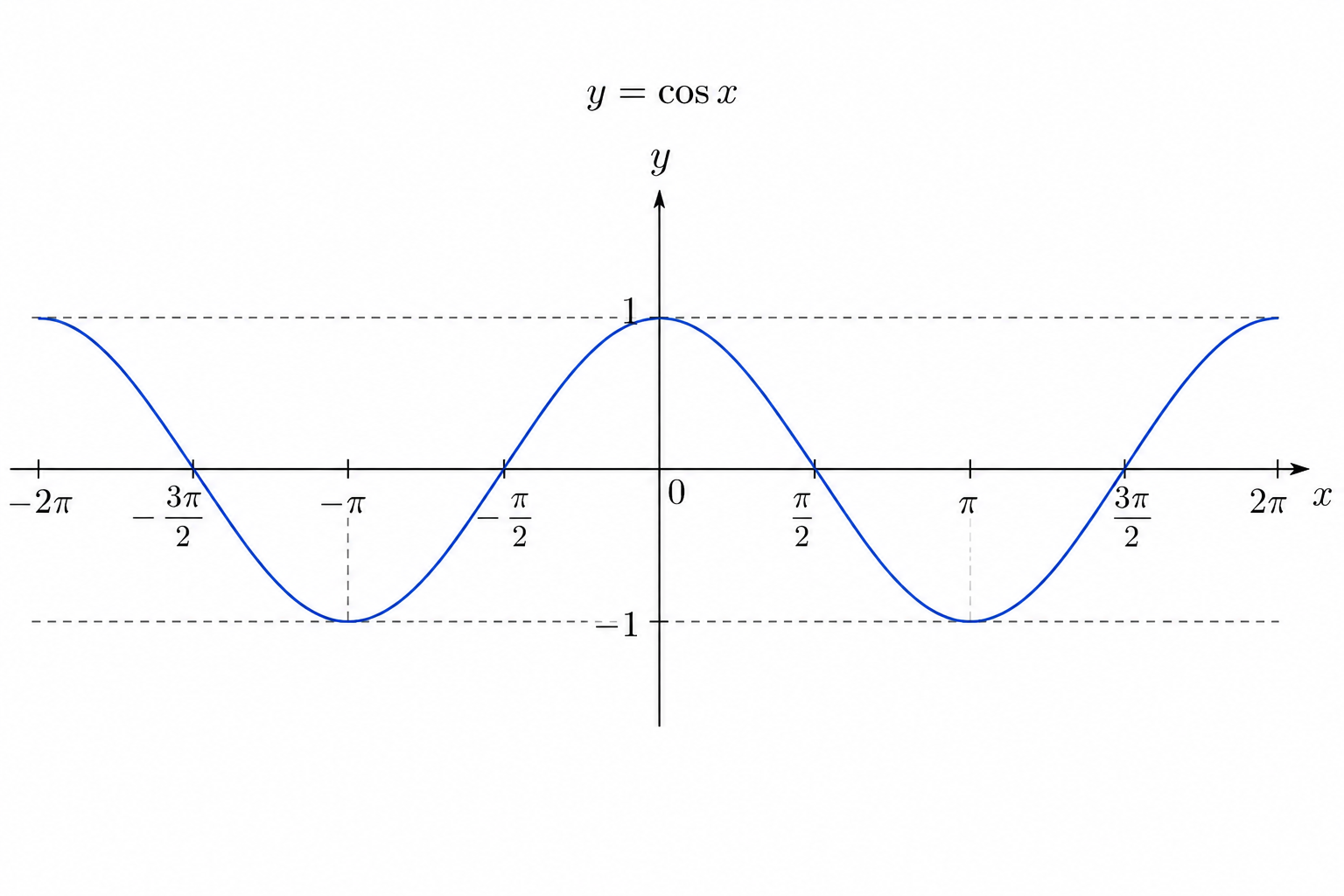
- 115.
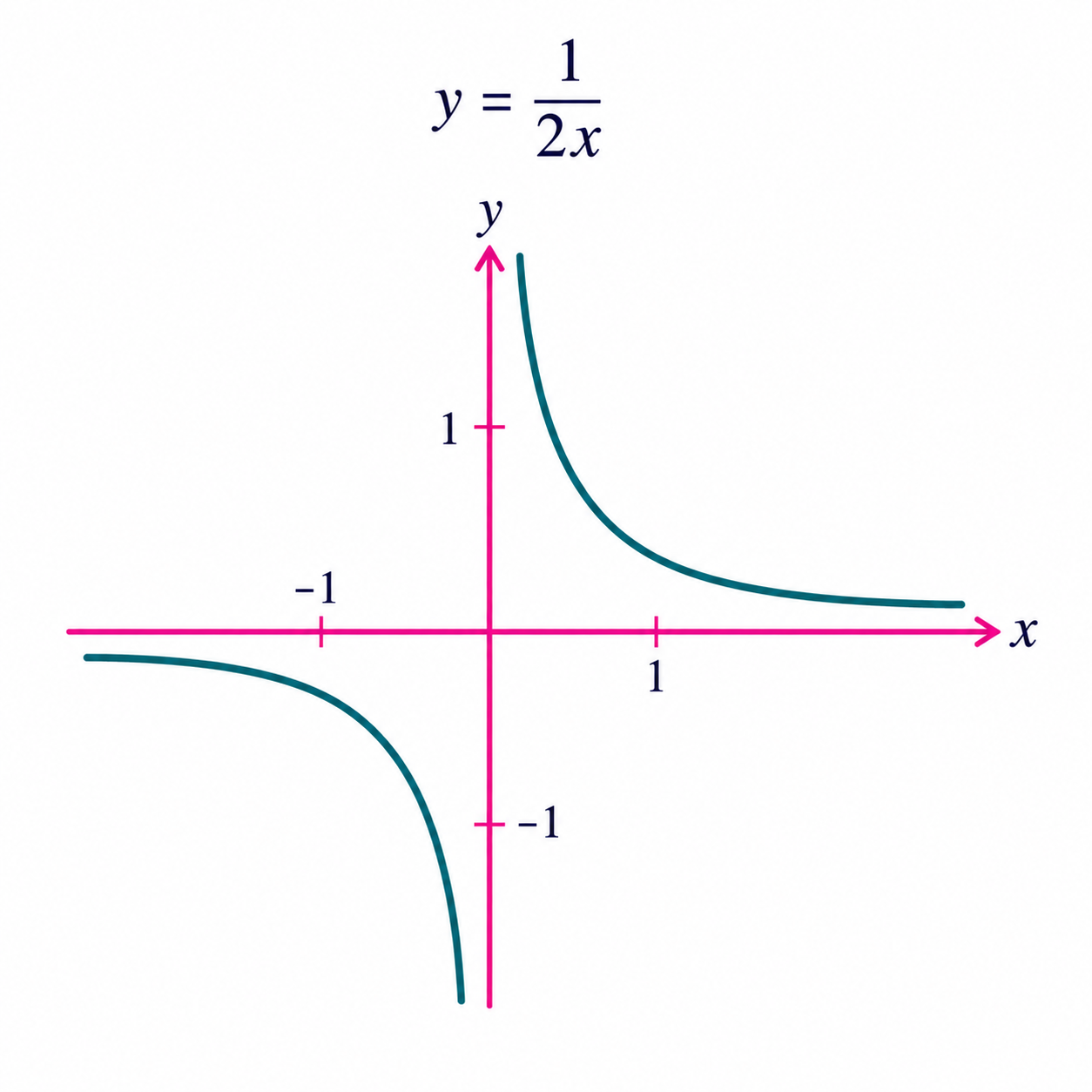
Graph of :
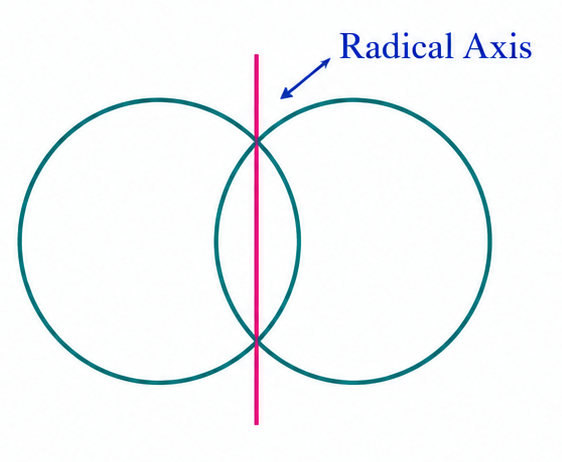
- 116.
- 117.
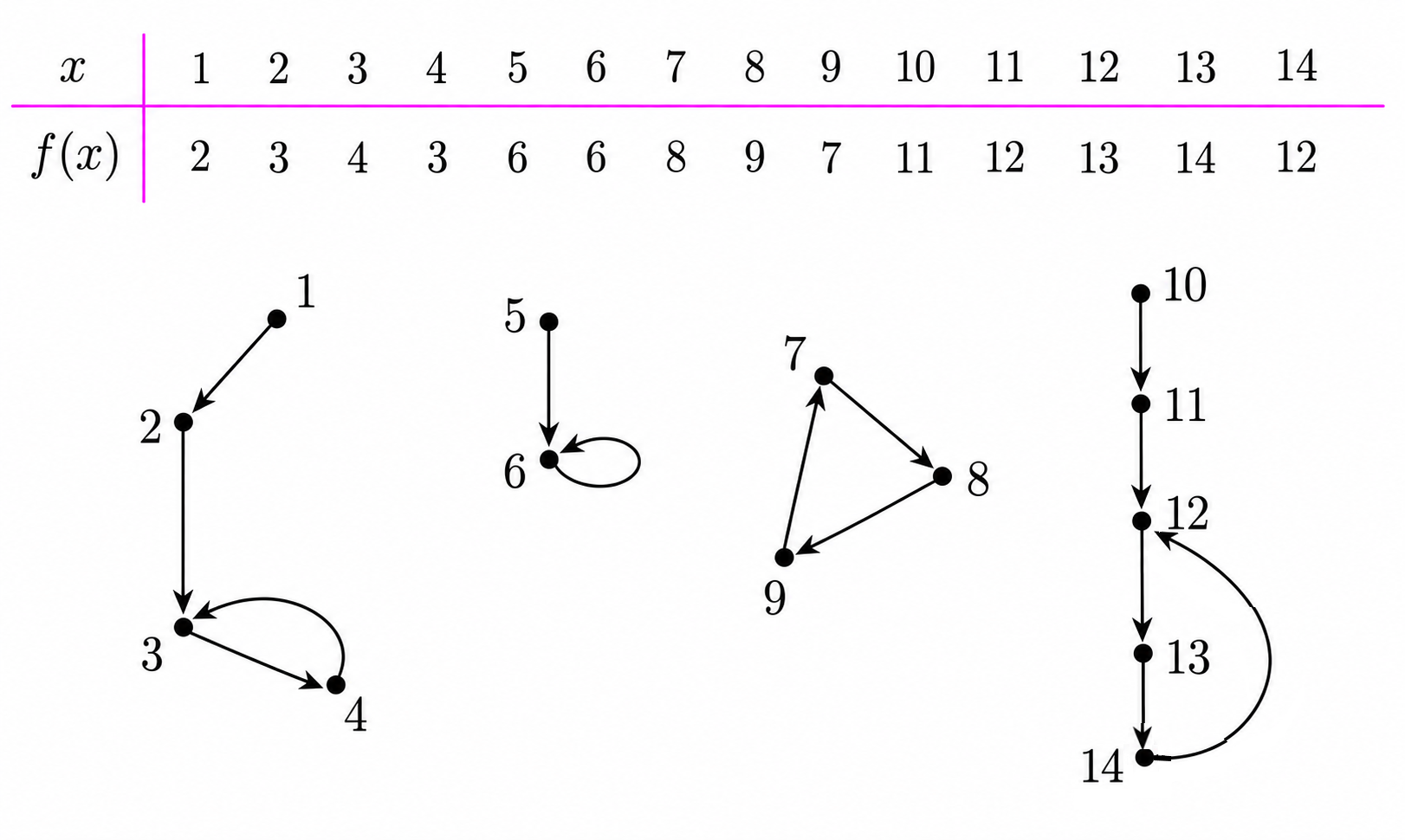
A functional graph represents a function
by drawing a directed edge
For example, assume and
- 118.
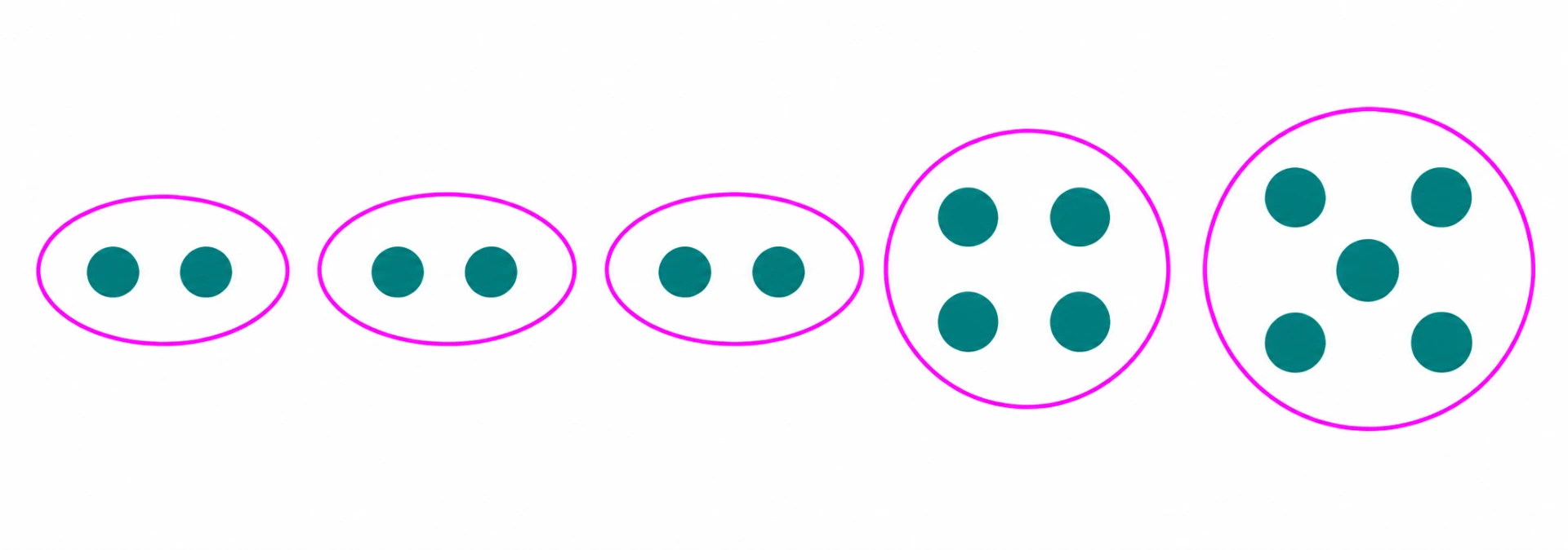
A set partition divides a set of distinct elements into nonempty, disjoint groups whose union is the entire set.
For example, the number of ways to divide people as shown is
- 119.
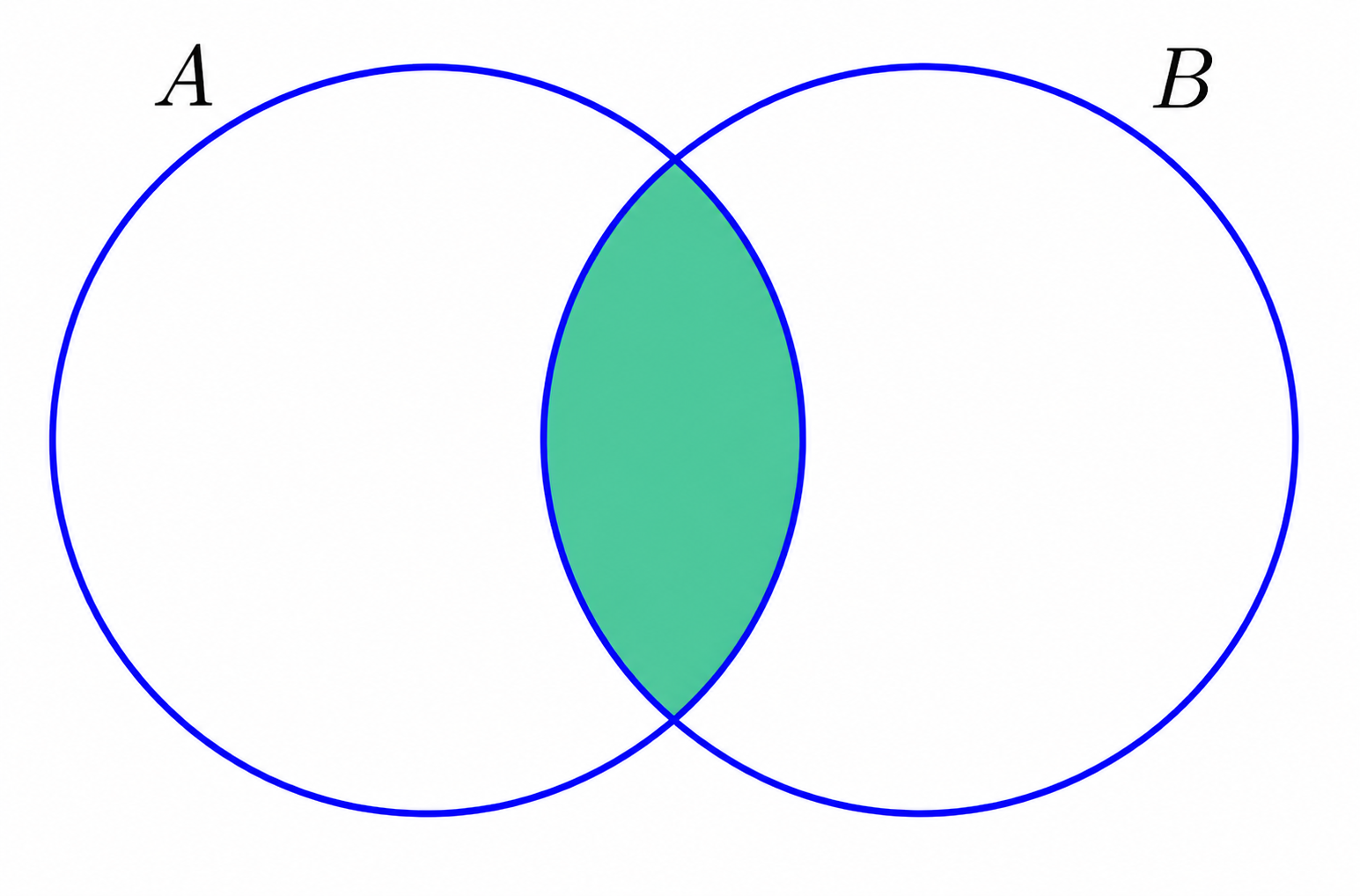
Definition
Probability of given is
Bayes' Theorem
- 120.
Let , then
- 121.
- 122.
Coloring can reveal patterns or invariants in problems involving boards, tilings, and moves.
Checkerboard Coloring
Color the squares alternately black and white, so squares sharing a side have different colors.
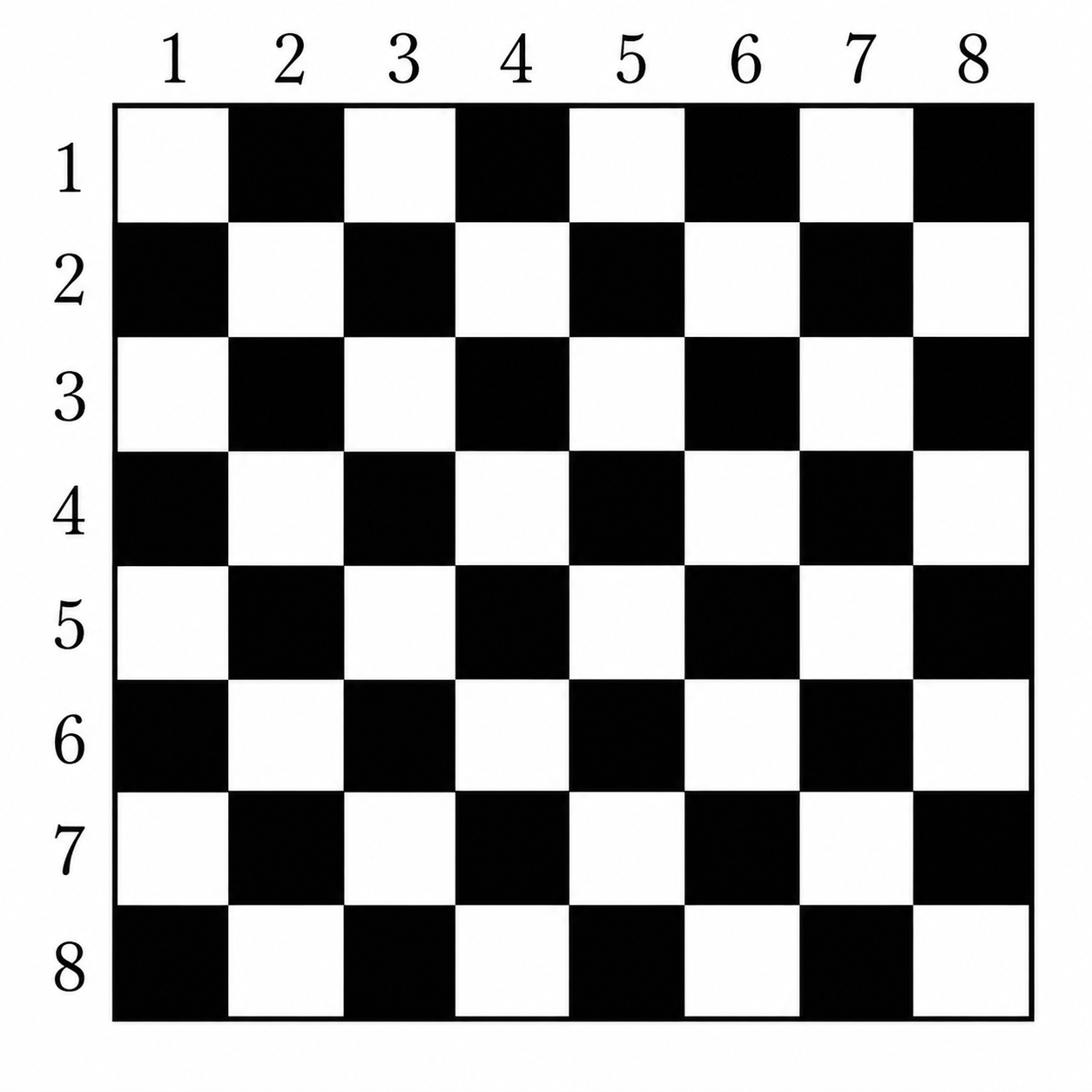
A square in row and column can be colored according to the parity of
• even → white
• odd → black - 123.
When we want to prove that some selected objects must have a certain relationship, it can be useful to split all possible objects into carefully chosen groups.
Key Idea
1. Determine the relationship you want to force.
2. Split the objects into groups based on that relationship. - 124.
For example, this applies to:
• a subset and its complement
• a graph and its complement
• selected and unselected objects
• an event and its complementary event - 125.
The centroid of a triangle is the point where its three medians intersect.
If G is the centroid of △ABC and M is the midpoint of BC, then
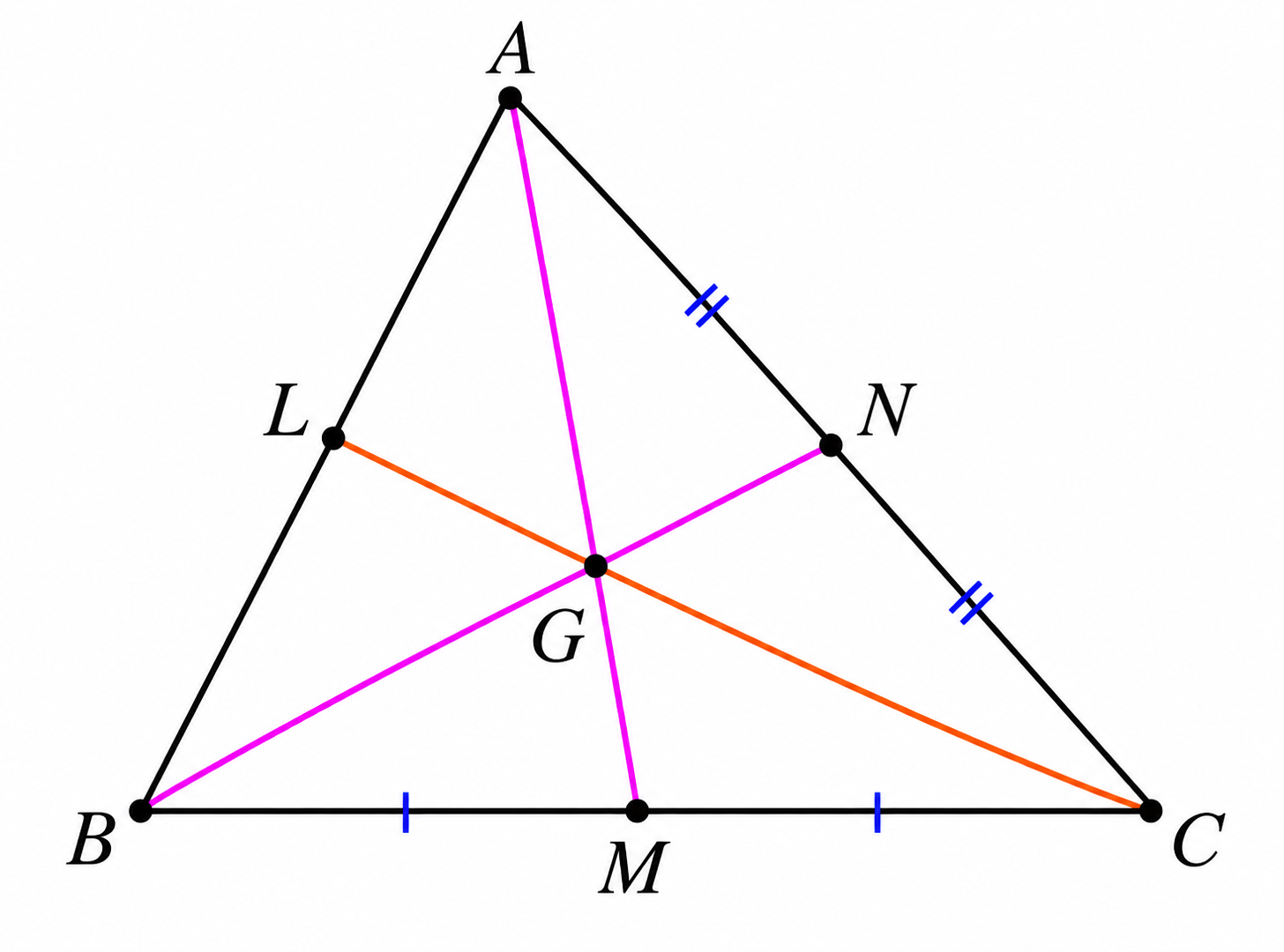
The three medians divide the triangle into six equal-area triangles.
- 126.
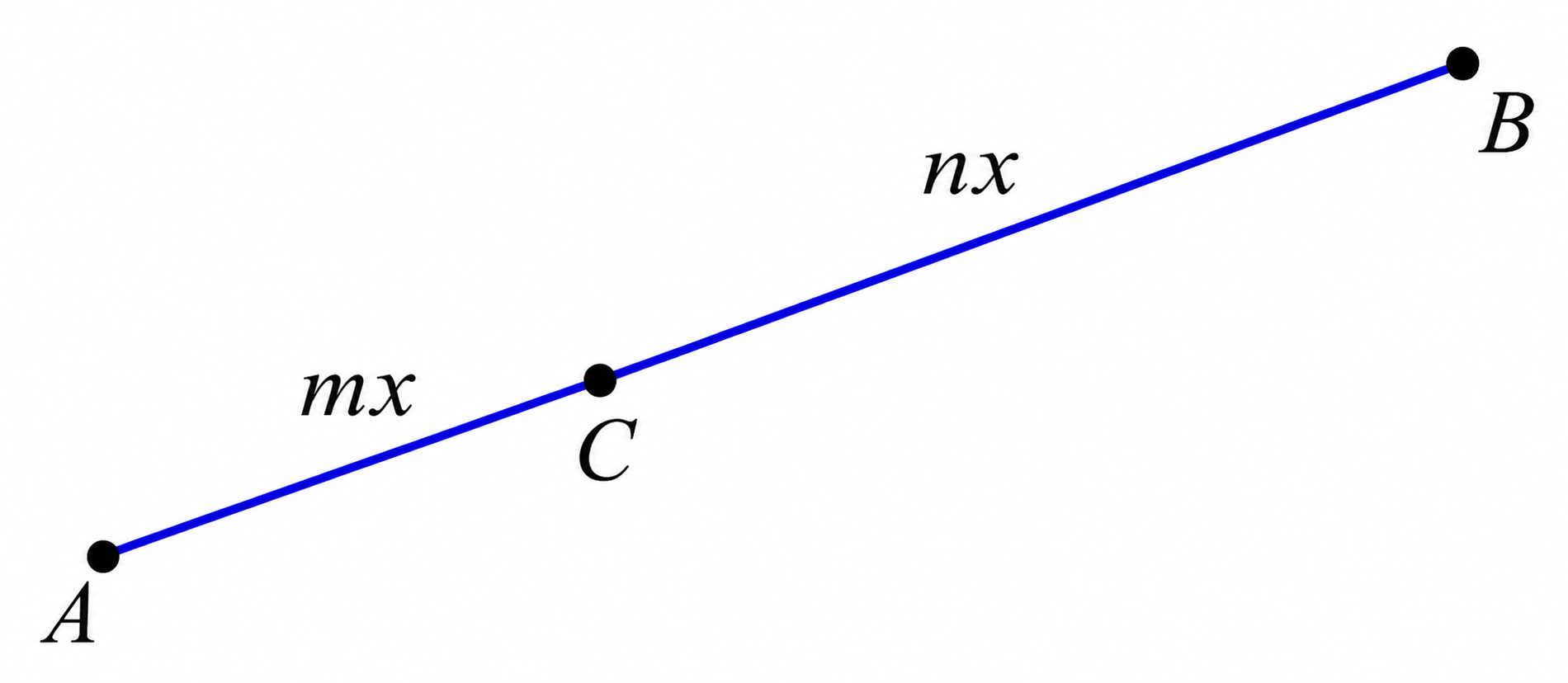
Midpoint Formula
- 127.
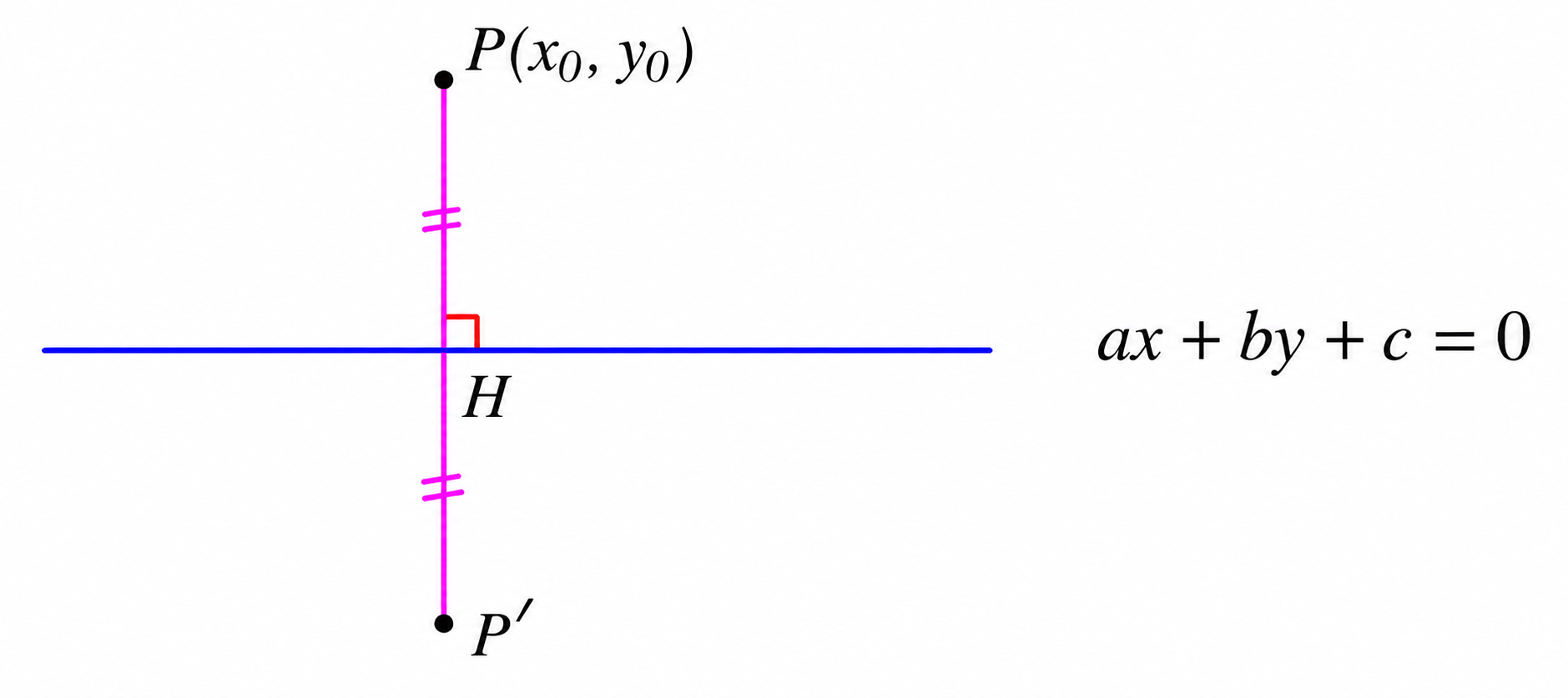
Projection onto a Line
Reflection Across a Line
Special Cases
- 128.
Equation of a Plane
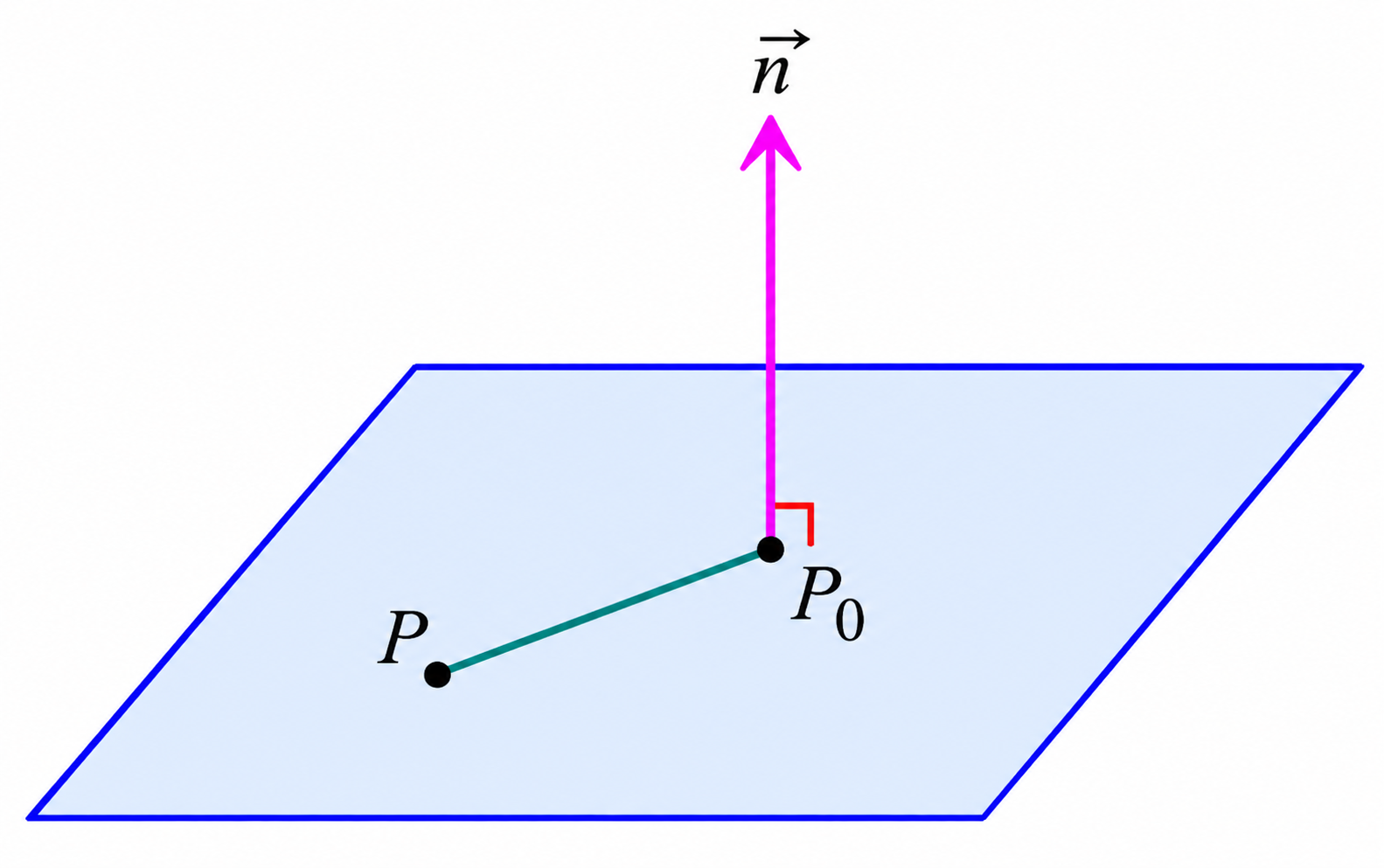
Point-Normal Form
Plane Through Three Points
Parallel and Perpendicular Planes
Angle Between Two Planes
Intercept Form
- 129.
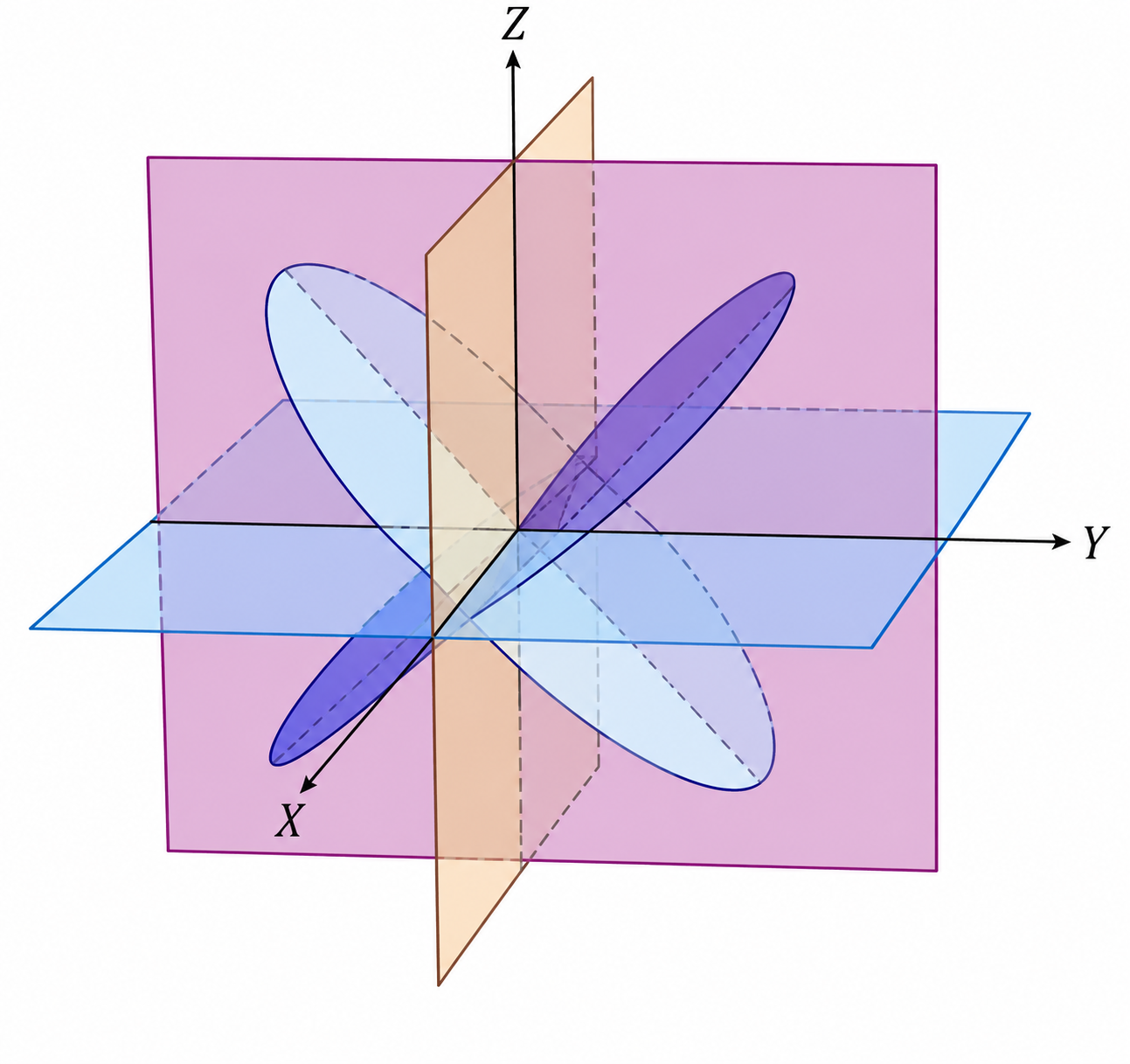
Angle Bisector Plane
- 130.
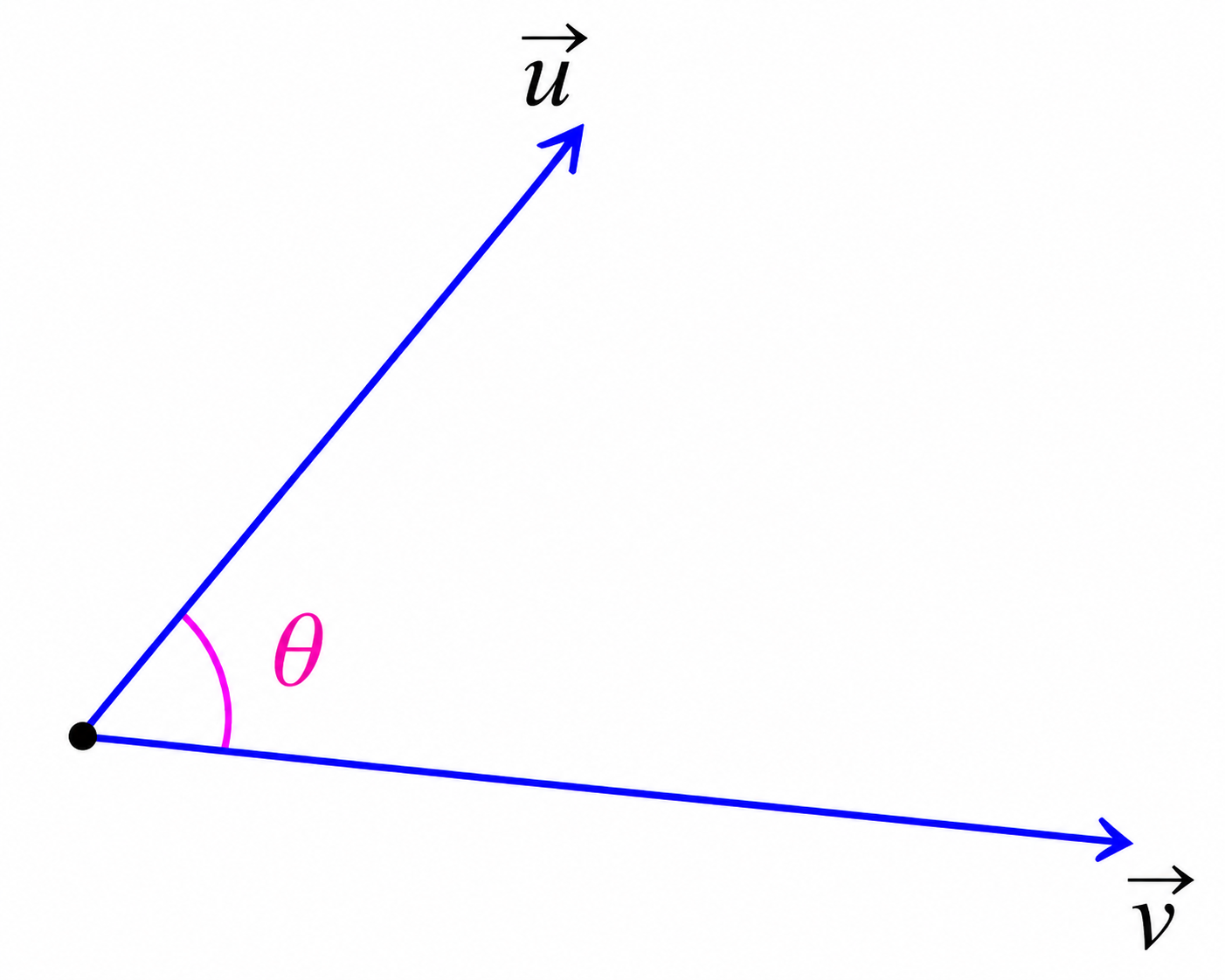
Dot Product
- 131.
Rational Root Theorem
Key Idea
Use divisibility conditions to reduce the possible rational roots of a polynomial
- 132.
Homogeneous Expressions
An expression is homogeneous if every term has the same total degree
When all terms have the same degree, divide by a suitable power of one variable and introduce ratios
Key Idea
When all terms have the same total degree:
1. Divide by a suitable power of one nonzero variable
2. Replace ratios of variables by new variables
3. Solve the simpler problem involving fewer variables - 133.
Symmetry and Fixed Cases Principle
When a set of cases has a symmetry, we can often pair each case with another case that behaves in the opposite or corresponding way.
The cases that are unchanged by the symmetry are called fixed cases. These must be considered separately.
Key Idea
Pair cases that are transformed into each other by a symmetry. Handle fixed cases separately.
Applications
Counting problems with opposite pairs, sign choices, and symmetry arguments
- 134.
Sum of Binomial Coefficients
Sums of Even and Odd Binomial Coefficients
Applications
Simplifying binomial sums and solving combinatorial counting problems
- 135.
Definition
Geometric Meaning
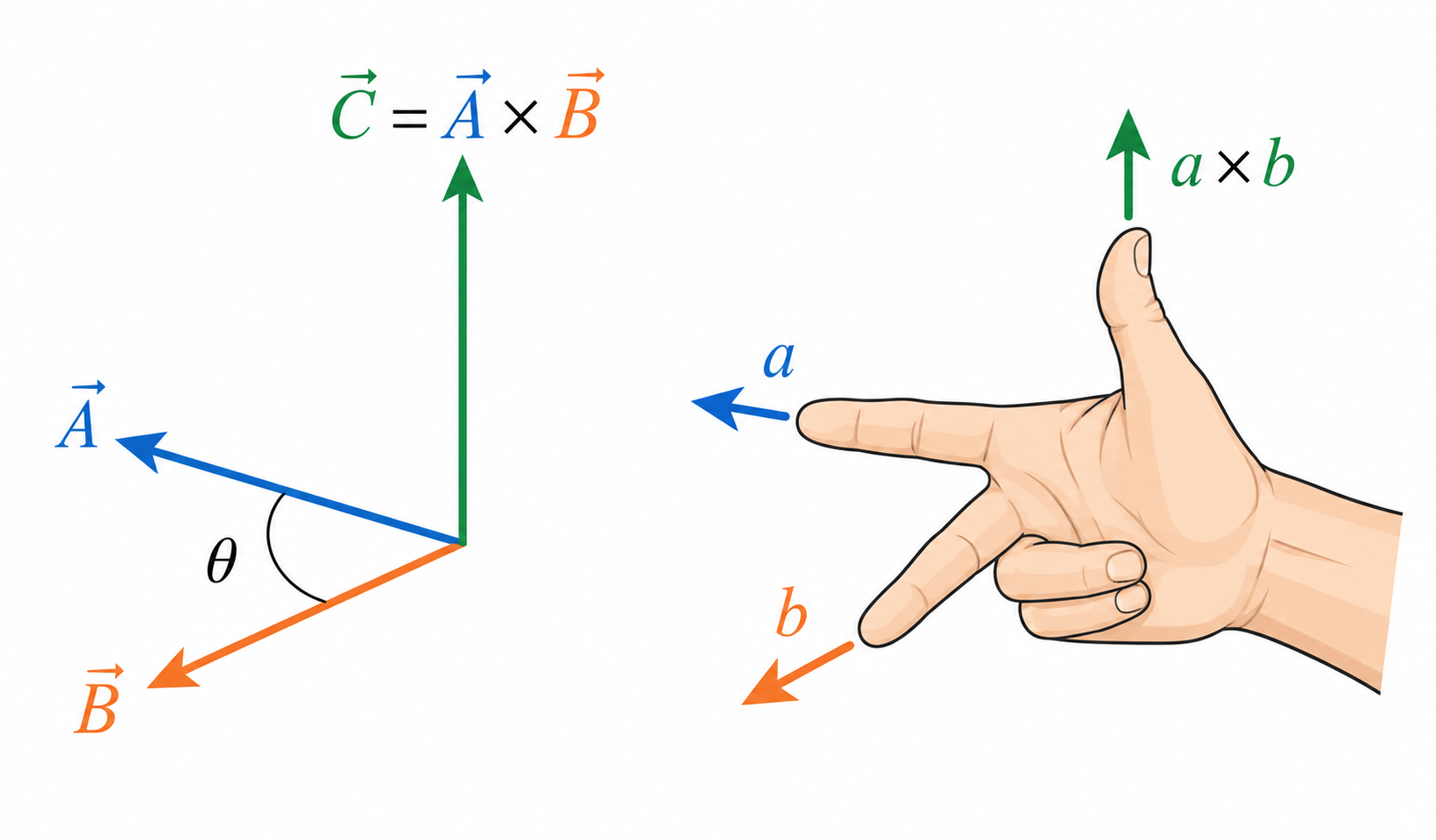
The cross product produces a vector perpendicular to both vectors
Right-Hand Rule
To find the direction of , point the fingers of your right hand in the direction of and curl them toward . Your thumb points in the direction of .
Applications
Finding areas, volumes, normal vectors, and checking whether vectors are parallel
- 136.
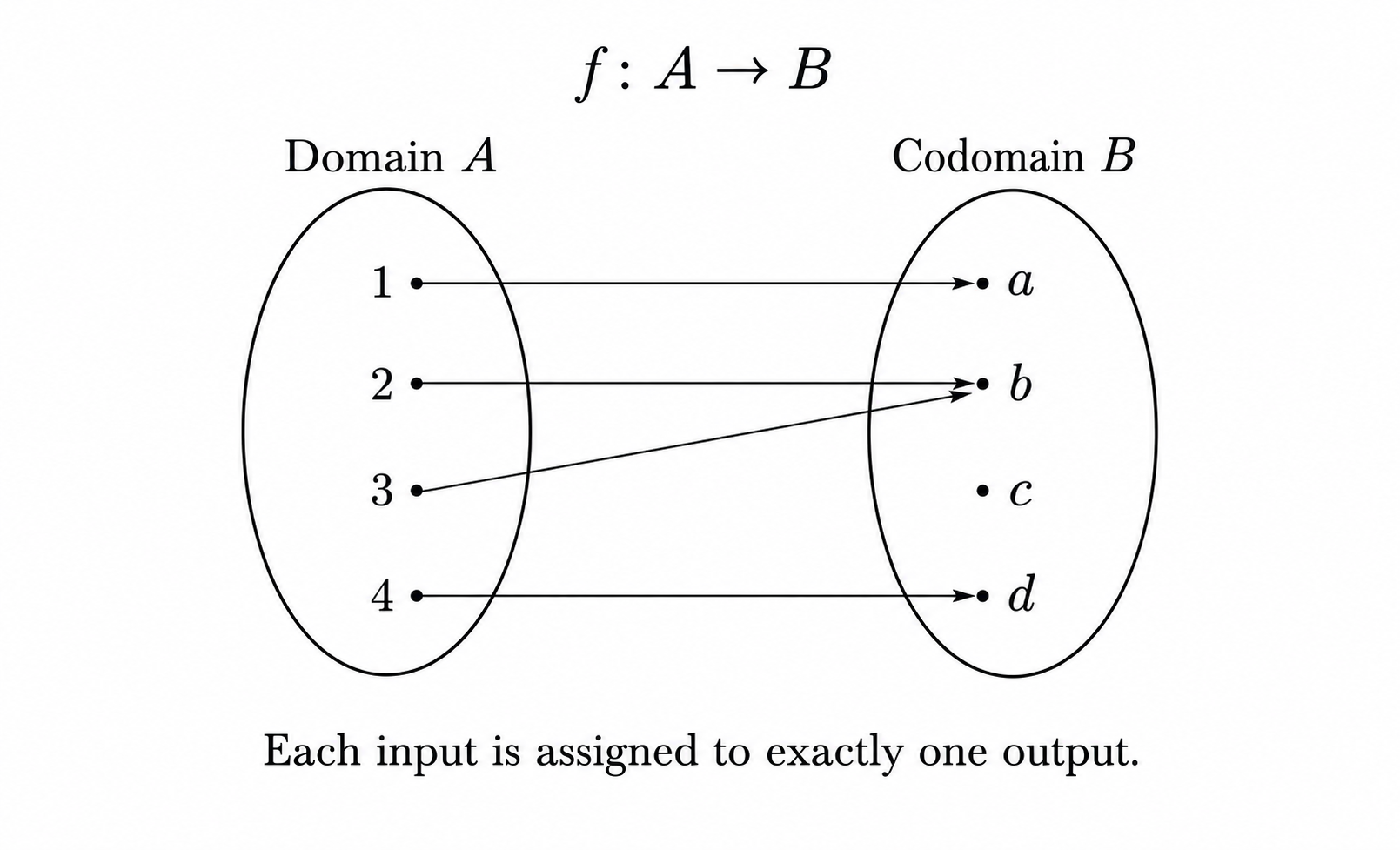
Definition
A function assigns exactly one output to each input.
Domain and Range
One-to-One Functions
Inverse Functions
- 137.
A rate compares how much of something is completed with the amount of time required.
If units are completed in units of time, the rate is
Combined Rates
When several people or machines work at the same time, their rates can be added:
Amount Completed
- 138.
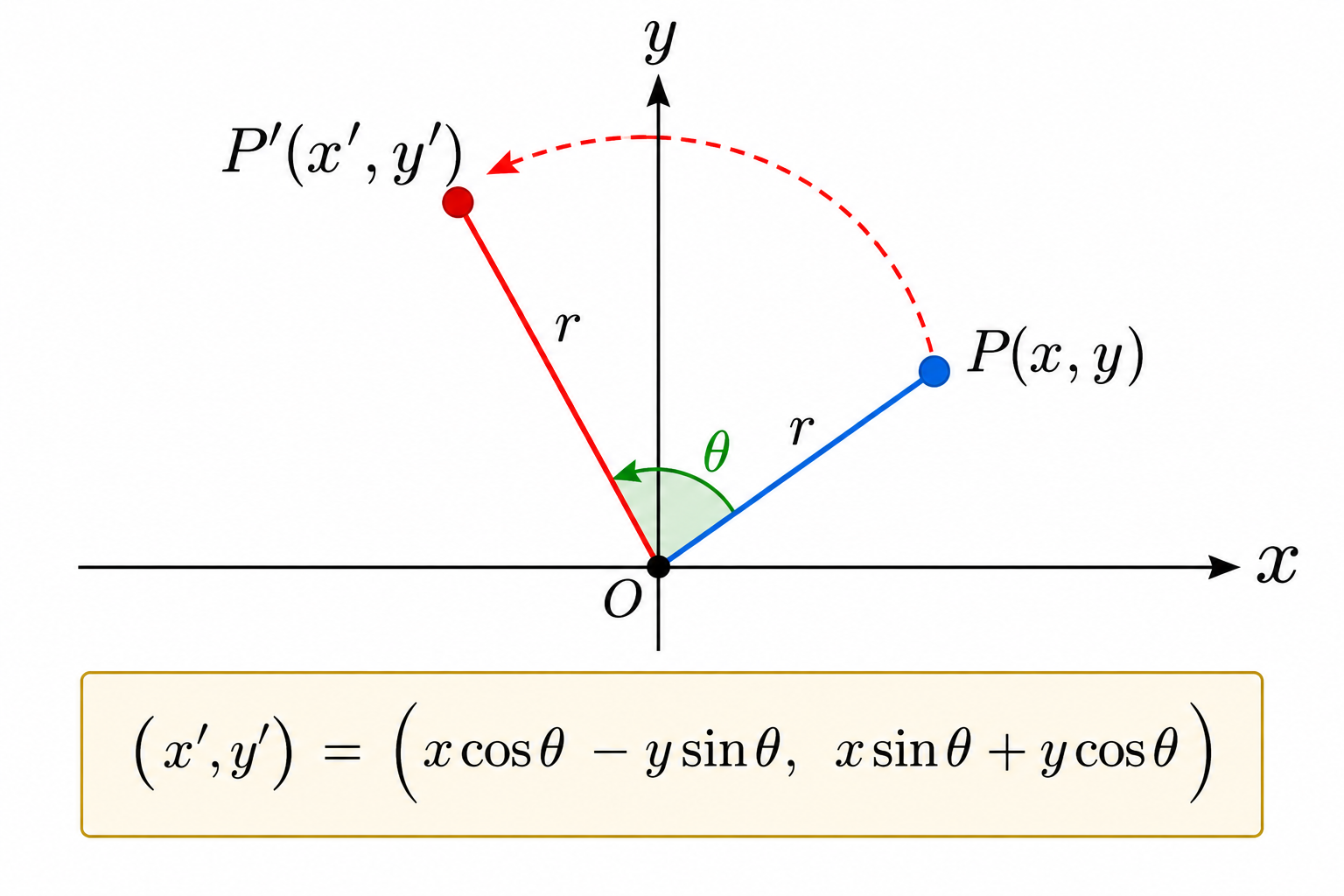
Geometric transformations map points in the plane to new points.
Translation
Rotation
Reflection
Dilation
- 139.
A vector is a quantity that has both magnitude and direction.
If
then
Magnitude
Vector Addition
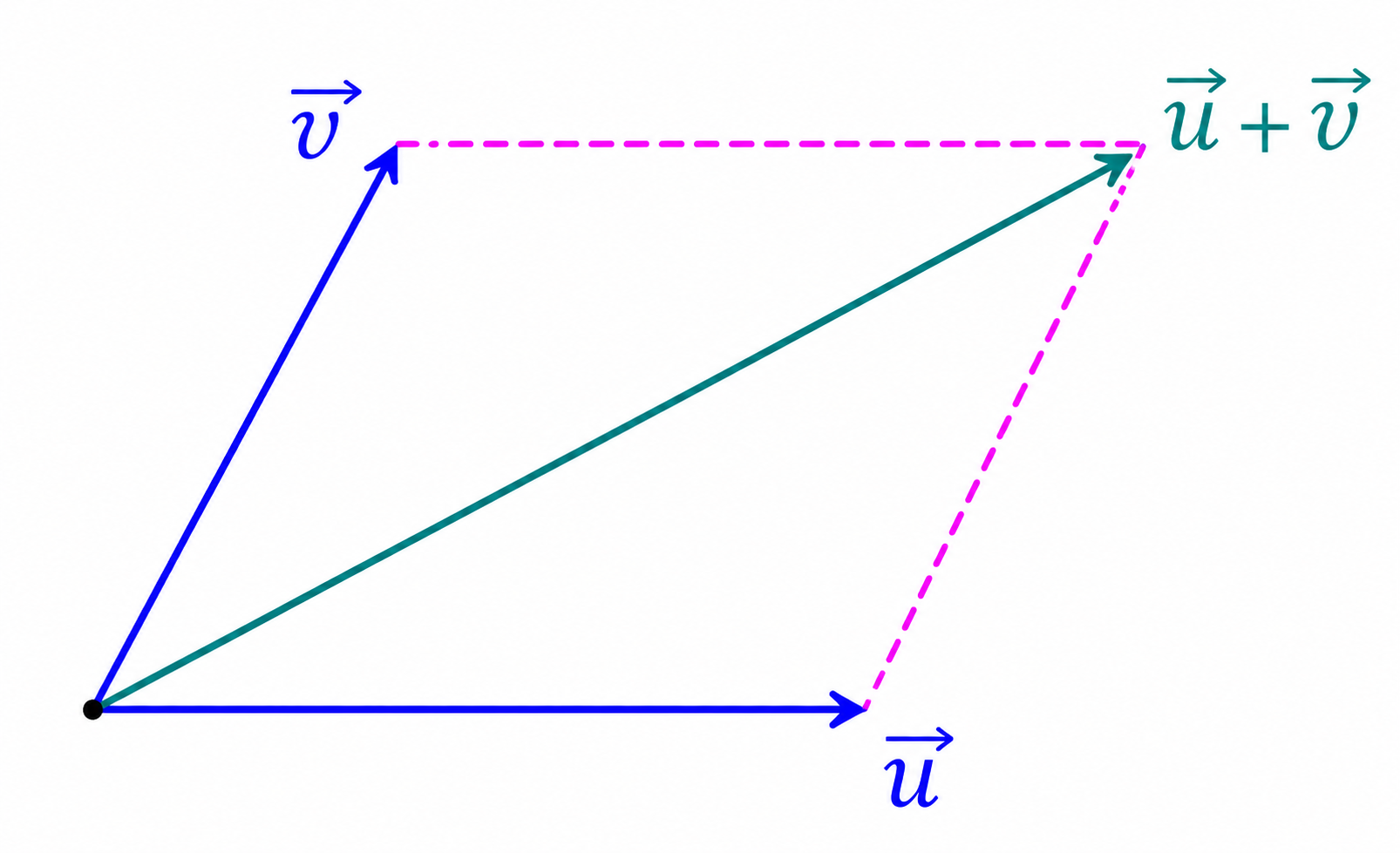
Scalar Multiplication
Points on a Segment
- 140.
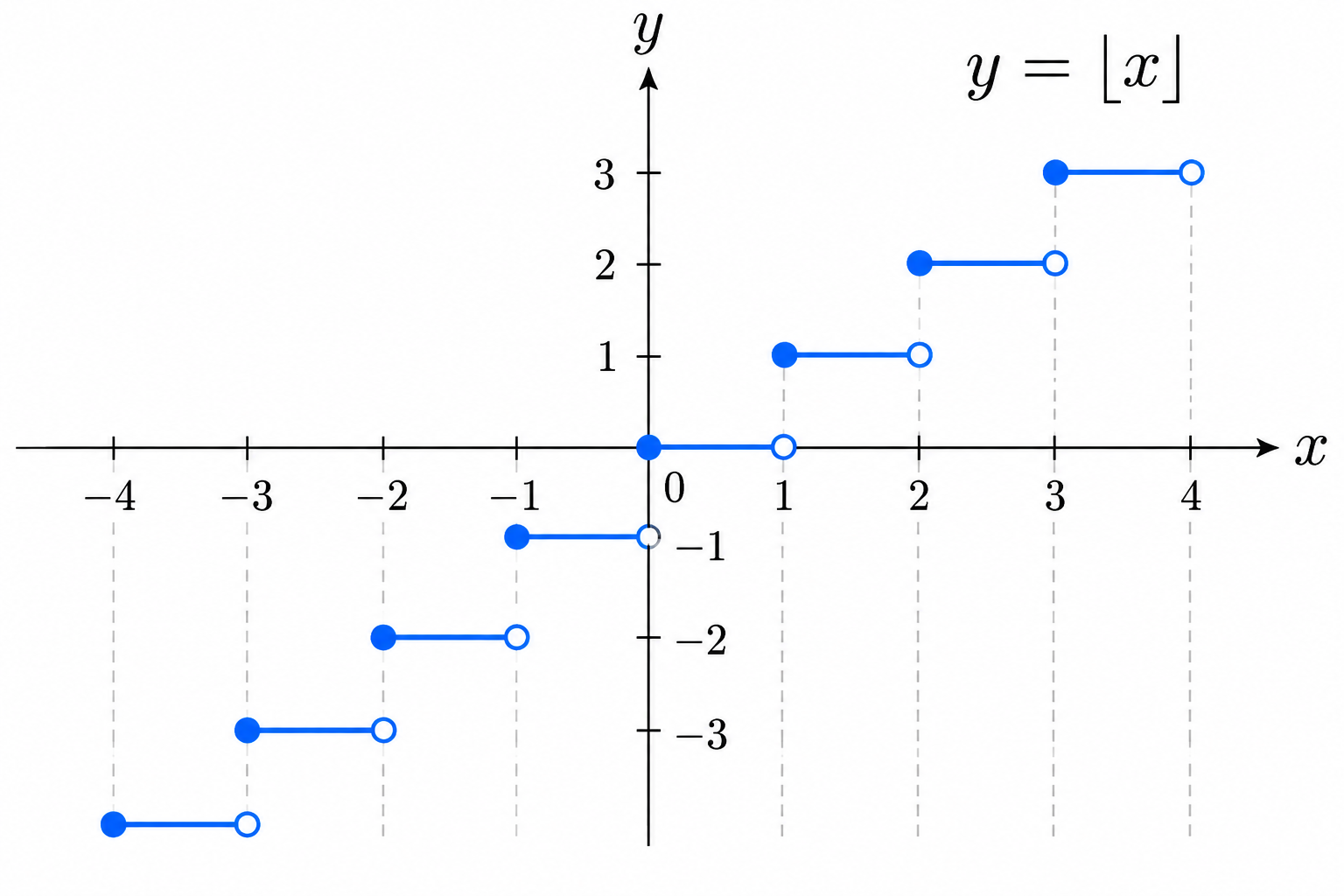
Floor Function
The floor of x is the greatest integer less than or equal to x.
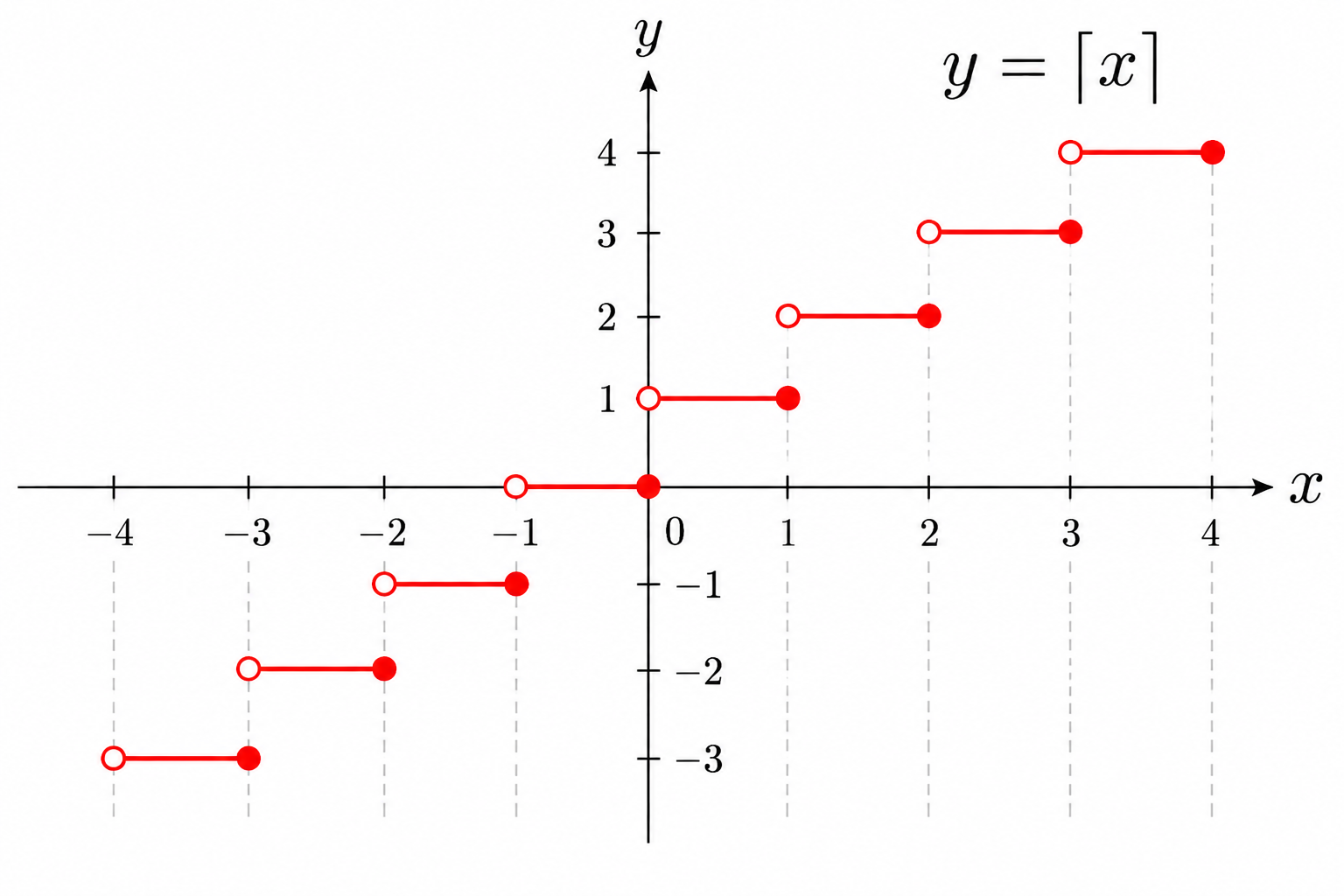
Ceiling Function
The ceiling of x is the smallest integer greater than or equal to x.
- 141.
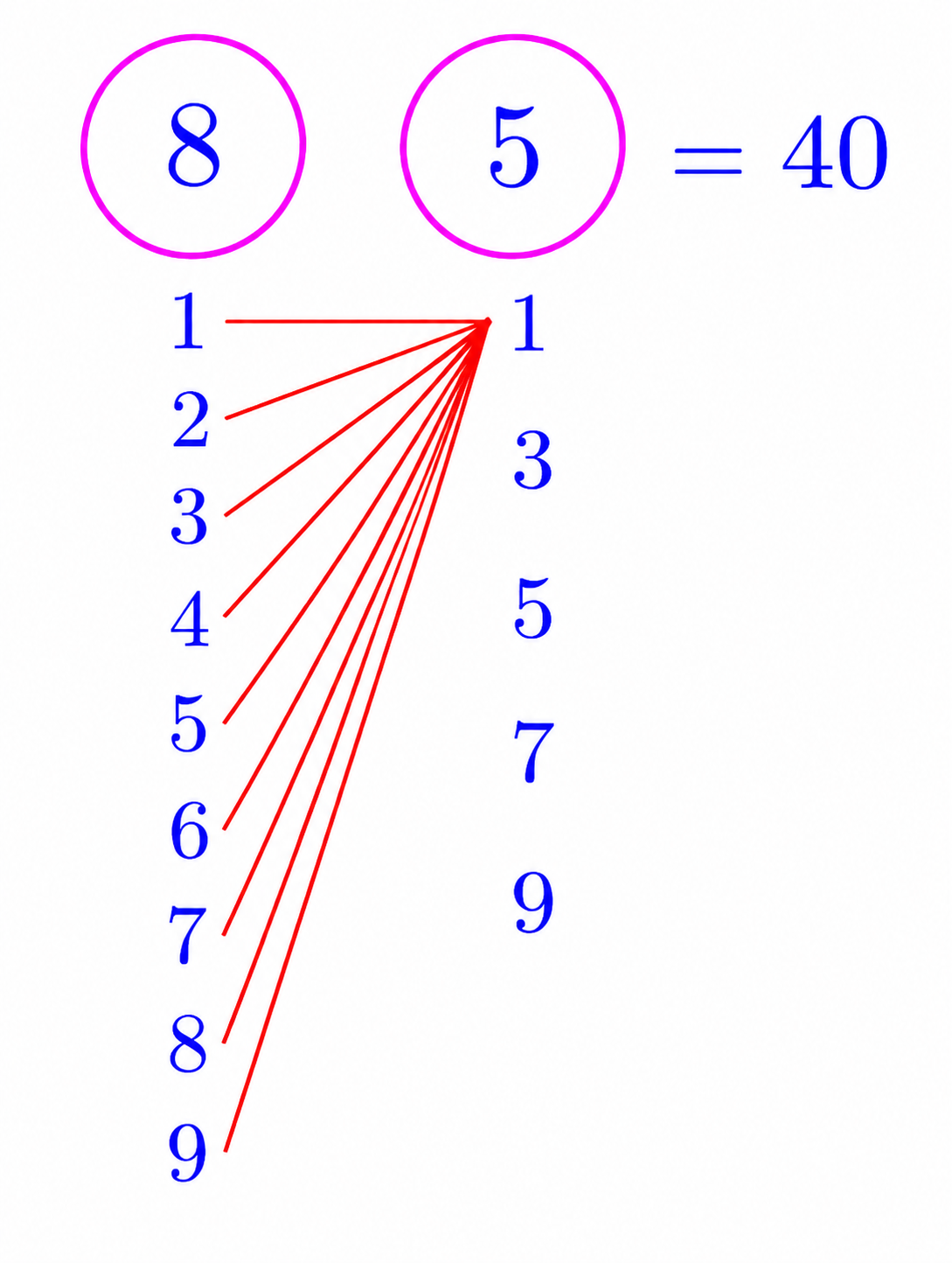
Addition Principle
For mutually exclusive cases, add the numbers of possibilities.
Multiplication Principle
For successive choices, multiply the numbers of possibilities.
Complement Principle
- 142.
A permutation is an arrangement of objects in which order matters.
Arranging All Objects
Arranging Some of the Objects
Identical Objects
- 143.
A combination is a selection of objects in which order does not matter.
The notation is read as “n choose r”.
Symmetry Identity
Choosing the objects to include is equivalent to choosing the objects to exclude.
Pascal's Identity
Faster Calculation
- 144.
Probability measures how likely an event is to occur.
Sample Space and Events
The sample space is the set of all possible outcomes, and an event is a collection of outcomes from the sample space.
Equally Likely Outcomes
Complement
Probability of A or B
Independent Events
- 145.
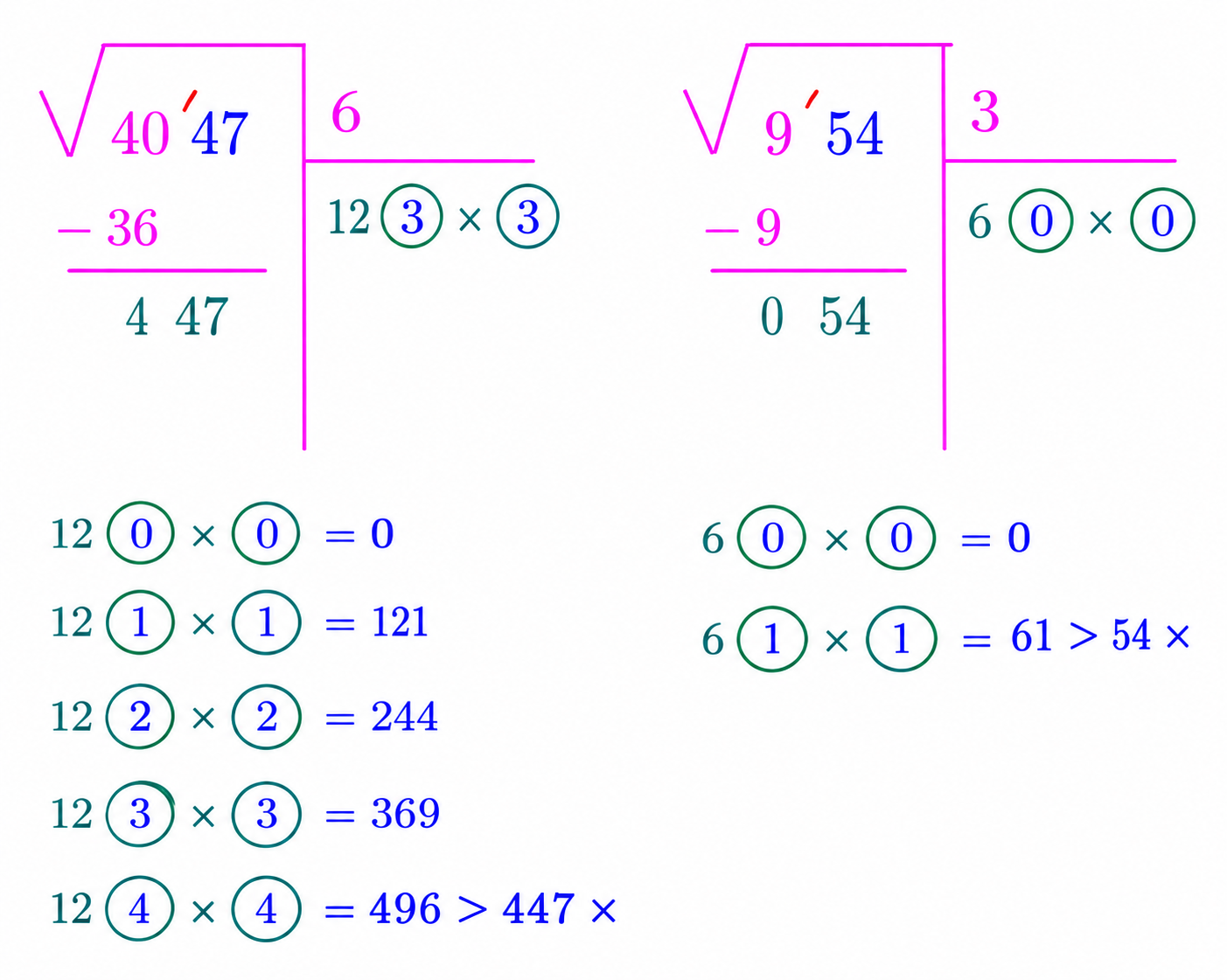
A step-by-step algorithm for finding square roots by grouping digits into pairs, subtracting squares, and determining each successive digit.
- 146.
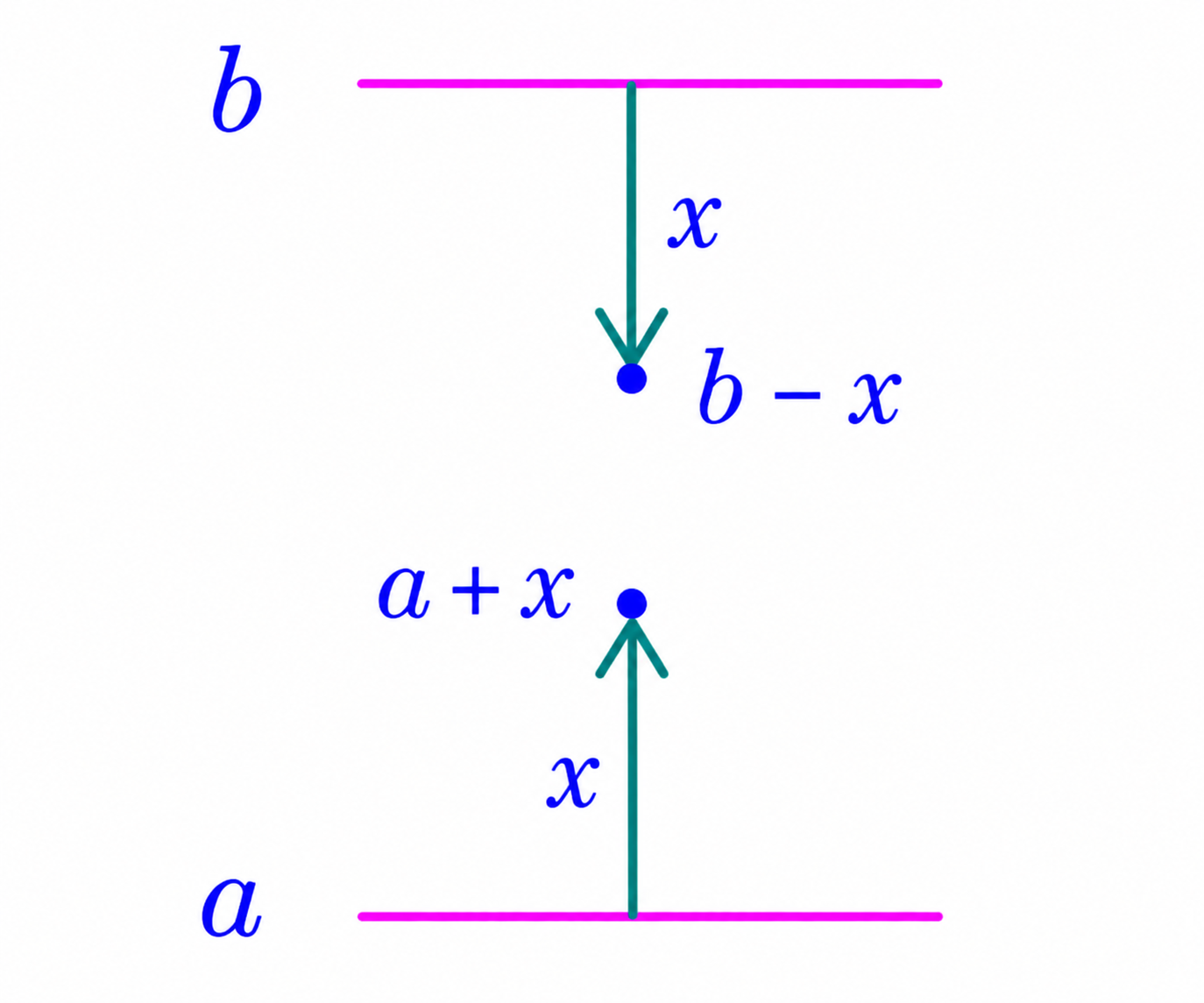
For two nonnegative numbers with a fixed sum, their product increases and the sum of their squares decreases as the numbers become closer together.
- 147.
The maximum size of an antichain of subsets of an n-element set is
- 148.
If x and y are nonnegative integers, d is squarefree, and
then for some nonnegative integers a and b,
- 149.
An invariant is a quantity or property that remains unchanged throughout a process.
If the initial and target configurations have different invariant values, the target is impossible to reach.
- 150.
A rational number can be written as
A real number that cannot be written in this form is irrational.
Rational Rational Rational Rational Rational Irrational Irrational May be either Irrational Irrational May be either May be either - 151.
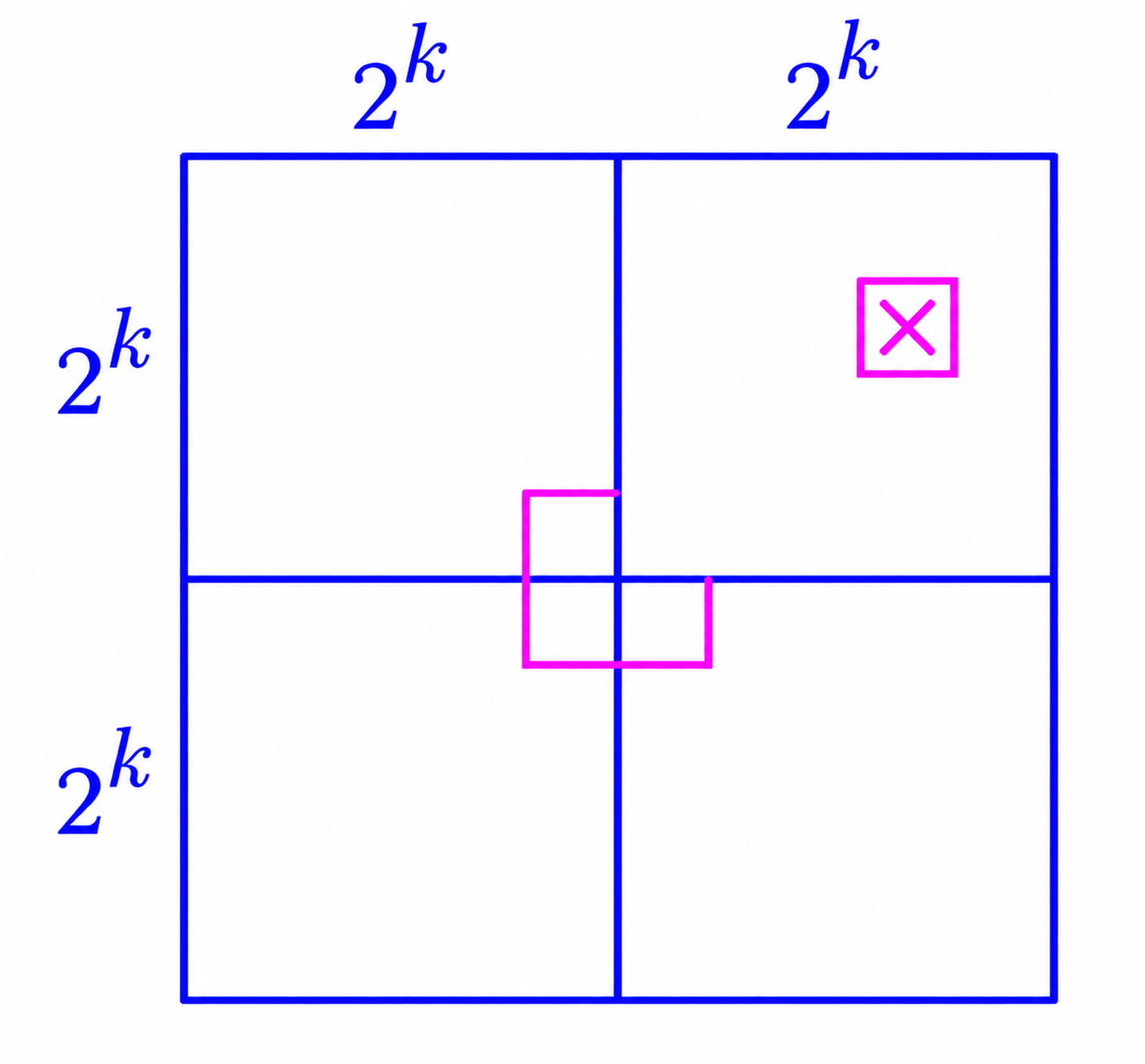
Mathematical induction proves statements for every integer in a specified range using a base case and an inductive step.
Base Case
Inductive Step
Extensions include strong induction, step-size induction, binary induction, and Cauchy induction.
- 152.
The Fibonacci sequence starts with 0 and 1, and each subsequent term is the sum of the previous two.
- 153.
Every real square is nonnegative. This helps prove inequalities and find minimum values.
- 154.
- 155.
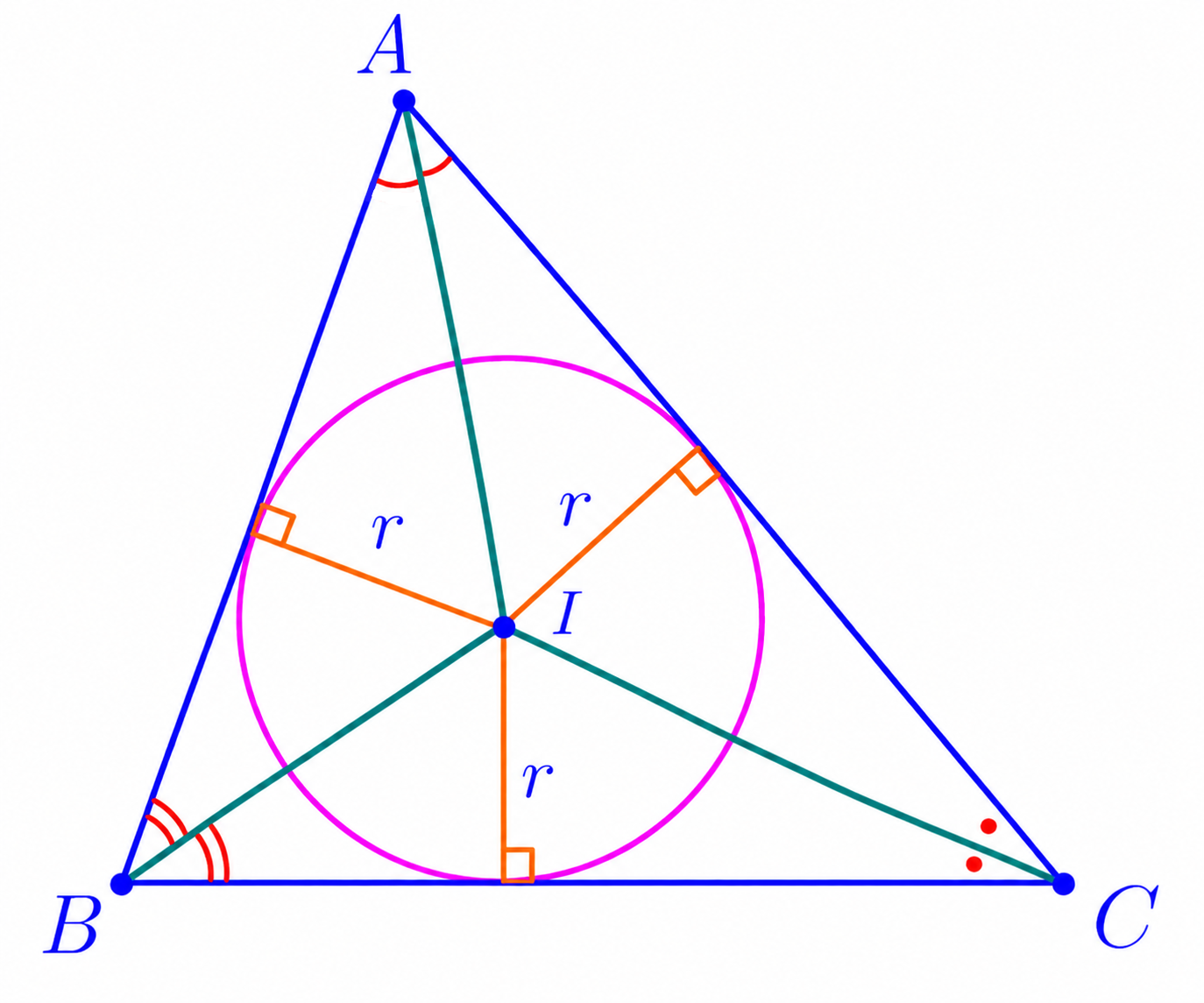
The incenter is the intersection of the three internal angle bisectors of a triangle.
- 156.